 Uday Kumar Varma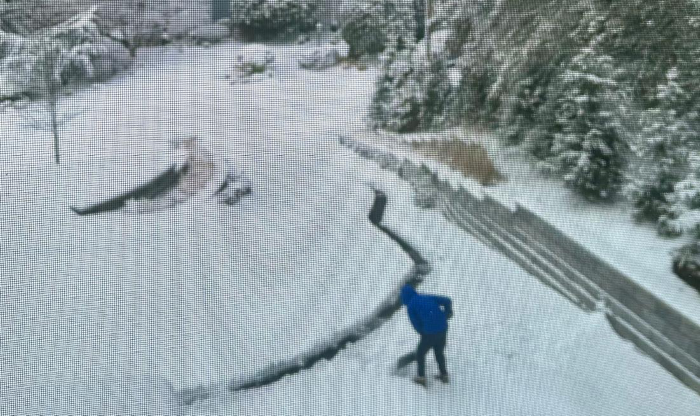
I watched from the window as my nine-year-old grandson, Parth, stepped out into the freshly fallen snow, shovel in hand, as though answering a quiet summons. The driveway lay thick and white, unblemished, still wearing the hush of night. He was alone, valiantly so—scooping, lifting, pushing—his small boots sinking into the softness, his breath fogging the cold air. There was no audience he seemed aware of, no praise he sought. Only the task before him, and his wholehearted surrender to it.
I noticed him first not by sight, but by sound—a soft thud, followed by an unmistakable pause. The kind that invites concern, but not alarm. When I looked again, he lay briefly on the snow, arms flung wide, as though the earth itself had invited him to rest. A moment later he sat up, laughed—at the snow, at gravity, perhaps at himself—and returned to his work with renewed resolve. The fall, it appeared, had been merely an interlude, an unscripted aside in a larger performance.
Snowfall, when it comes, feels like divinity made visible—an act of grace that transforms the ordinary world into something momentarily sacred. It hushes the air, erases yesterday’s clutter, softens sharp edges. Trees appear wiser, rooftops gentler, streets less hurried. Everything is wrapped in a purity that seems less about cleanliness and more about forgiveness. We stand at windows and marvel, warmed by comfort and wonder, grateful simply to witness beauty arriving without asking permission.
And then, inevitably, comes the shovel.
Shovelling snow is beauty’s afterthought, necessity disguised as labour, responsibility cloaked in cold. The snow that looked feather-light from behind glass suddenly weighs like a philosophical argument. It numbs the fingers, tugs at the back, tests patience and balance. It slips underfoot, clings stubbornly to boots, finds its way down collars, and occasionally robs one of dignity. It offers moments of earnest effort punctuated by small, comic defeats.
Parth accepted this challenge as though it were an adventure bestowed upon him alone. The shovel—nearly as tall as he was—scraped and protested, refusing elegance. Each scoop required thought, balance, and optimism. Sometimes he lifted more snow than the laws of physics would allow, tipping backward in slow, theatrical surrender. Once, he slipped again on a freshly fallen patch, landed softly, sprang up instantly, and glanced around—as if to confirm that the snow itself had witnessed his courage.
What moved me most was not the snow, nor even the effort, but the spirit with which he met both. His movements carried sincerity. His attention was absolute. Each scoop of soft snow, carefully set aside, brought him visible exhilaration. There was joy in the doing, pride without performance. In his hands, the shovel became not a burden but a companion. This was work before it learned complaint, duty before it learned fatigue. Innocence lending dignity to effort.
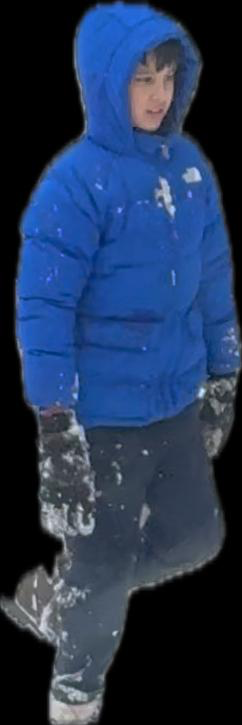
Watching him clear the driveway singlehandedly, with a quiet valour and unforced joy, filled me with admiration and a rare lightness of heart. Outside, snow continued to fall gently, undoing his careful work even as he cleared it—nature giving and asking at once. Inside, my heart warmed at the sight of a small figure teaching a large lesson: that beauty and burden are not opposites, but often arrive together, and that grace, when it chooses to appear, sometimes takes a human form—small, sincere, mittened—slipping without embarrassment, laughing freely, and carrying on, one shovel-full at a time.
(Uday Kumar Varma is an IAS officer. Retired as Secretary, Ministry of Information & Broadcasting)


Related Posts
Between Falling Leaves and First Snow Musings As the Year Closes
A Brief Tryst with Snow
Winter Games in Gulmarg postponed due to insufficient snow