 Uday Kumar Varma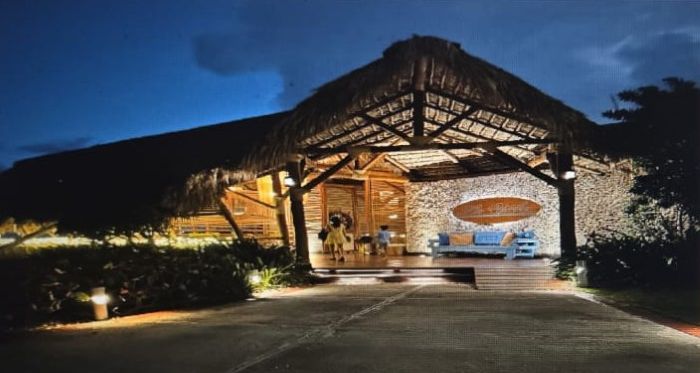
There are restaurants that become destinations not only for their food, but for what they represent—history, setting, and a certain idea of a place. La Yola, set within the serene Punta Cana Resort & Club in the Dominican Republic, is one such name: a restaurant that has floated for nearly three decades on the edge of turquoise water, half-boat, half-pavilion, and wholly woven into the narrative of Punta Cana’s rise as the Caribbean’s premier tourism hub.
A Place Built on a Vision
The story of Punta Cana is inseparable from the entrepreneurial vision of Grupo Punta Cana, which transformed a remote coconut plantation into one of the most recognisable luxury destinations in the region. Their model—environmentally conscious development, community engagement, and world-class hospitality— redefined Dominican tourism from the 1970s onward, placing the country firmly on the global map.

La Yola, opened in 1996 and designed by Dominican-born fashion icon Oscar de la Renta, is one of the group’s most distinctive creations. Its architecture evokes the silhouette of a traditional fishing boat (“yola”), with warm wood, soft evening lighting, and an easy openness to the surrounding marina. Dining here, one feels both sheltered and suspended—close enough to the water to sense its movement yet comfortably removed from the wind and spray.
Dominican Seafood: A Quiet Heritage
The Dominican Republic’s culinary heritage is deeply coastal. Fish and seafood— snapper, grouper, prawns, conch, octopus—are central to everyday meals and festive tables alike. The flavours tend to be bright and direct: lime, garlic, cilantro, olive oil, coconut milk. In many ways the cuisine mirrors the country’s broader character: African and Taíno roots, Spanish influences, Caribbean ingredients, and a spirit of warmth that runs through both the food and the people.
La Yola’s menu reflects this lineage, though with an international polish that one expects in a resort restaurant. Its claim of presenting “the essence of Caribbean coastal dining through refined techniques” is ambitious, even theatrical—yet it makes for an enticing proposition.
A Dinner on the Marina
Our evening began gently, with a Mediterranean Salad and a Parmesan Eggplant Caribbean-Style—both competently prepared, fresh, visually appealing, but more aligned with familiar resort fare than with revelatory island flavours.
The Local Prawn Spaghetti, twirled in a pleasantly seasoned sauce, was enjoyable without being distinctive. The Brown Butter Scallops had a soft sweetness and a respectable sear, though they did not quite reach the depth and aroma that brown butter usually promises.
The dish with the most character was the “Boca Chica”-style Red Snapper, a nod to one of the Dominican Republic’s beloved beachside towns. The snapper was cleanly cooked, flaky, and nicely seasoned—more assertive and rooted than the earlier plates. Dessert came in the form of a cheerful Pie de Limón, bright and well-balanced, the kind of dessert that brings dinner to a comfortable close.
Nothing on the table was disappointing, yet neither did the dinner touch the heights often associated with La Yola’s reputation. It was a meal that sat in the broad middle—satisfying, competently executed, and pleasant, especially in the glow of evening lights dancing on the water.

An Unexpected Visitor
No travel tale is complete without a moment of serendipity. Midway through dinner, a small lizard slipped from the thatched ceiling, landed squarely on the table, and sped off with comic determination across the floor. It was one of those tiny Caribbean asides—humorous in retrospect, harmless in reality, and perhaps even a sign of how seamlessly the natural world meets the constructed one in this part of the world. Not ideal for a restaurant’s narrative, of course, but certainly memorable.
More Than a Meal, Less Than a Monument
What La Yola offers, ultimately, is an experience—a pleasant marriage of setting, history, and cuisine. Its charm lies in its atmosphere: the gentle clinking of masts in the marina, the soft tropical air, and the sense of dining in a space that carries the signature of Oscar de la Renta, with his unmistakable blend of island ease and cosmopolitan elegance.
The Dominican Republic itself has become one of the Caribbean’s strongest tourism magnets, drawing millions with its beaches, culture, and accessibility. Restaurants like La Yola contribute to this narrative—not as cutting-edge culinary landmarks, but as well-loved establishments that give visitors a taste of the region’s rhythms and flavours.
A Final Word
My evening at La Yola was not defined by perfection, but by presence. The dishes ranged from agreeable to gently flavourful, the service warm and unhurried, the ambience lovely in its evening quietude. It is the sort of restaurant one visits for the feeling of being by the water, for a leisurely evening in Punta Cana’s soft air, and for a glimpse into the hospitality ethos that has shaped this corner of the Caribbean.
As I left the place, I realised that the experience had given me something subtle but lasting: a small, textured understanding of how the Dominican Republic tells its stories—through its landscapes, its people, and yes, even through its seafood.
(Uday Kumar Varma is an IAS officer. Retired as Secretary, Ministry of Information & Broadcasting)


Related Posts
Rajasthan HC flags Gen Z, Alpha issues, bans junk food near schools
Goyal eyes new avenues for Indian agri-food exports to Singapore
India's retail inflation rises to 4.45% in July on food prices