 Ira Singh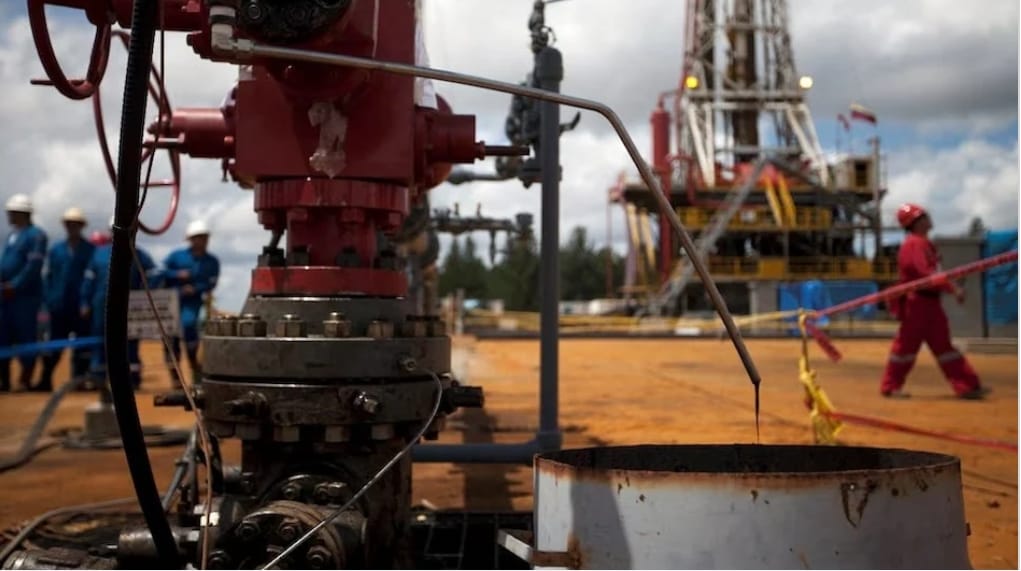
The ongoing crisis in Venezuela marked by a dramatic U.S. military operation that resulted in the capture of Venezuelan President Nicolas Maduro is unlikely to have any meaningful impact on the Indian economy or energy security, analysts and economists say. While the political upheaval has drawn global attention and raised questions about oil markets, India’s economic exposure to Venezuela remains limited. Trade between the two nations has declined sharply over recent years, with bilateral commerce now modest and predominantly tied to oil imports that were already curtailed due to international sanctions and logistics challenges.
According to industry data, Indian crude oil imports from Venezuela have fallen to negligible levels, following a halt in purchases driven by U.S. sanctions and compliance risks. This comes after a long-term downtrend that saw Venezuelan crude once account for a small share of India’s oil basket. Analysts note that India’s broader trade with Venezuela — including exports of pharmaceuticals and other goods — is not significant enough to transmit economic shockwaves even amid geopolitical turmoil. “Given the low trade volumes, existing sanction constraints, and the large geographical distance, the current developments in Venezuela are not expected to have any meaningful impact on India’s economy or energy security,” said Ajay Srivastava, founder of the Global Trade Research Initiative.
Global Oil Market Considerations
Though Venezuela holds the world’s largest proven crude reserves, its current contribution to global supply remains limited. Some economists suggest that a longer-term revival of Venezuelan oil production could eventually add supply to global markets — potentially easing price pressures — but such scenarios are medium to long term and do not pose immediate ramifications for India’s energy import bill or inflation outlook.
Political and Diplomatic Context
The crisis has drawn a range of international reactions, with concerns over sovereignty and international law voiced by the United Nations and several governments. India has taken a cautious diplomatic stance, urging peace and cautioning its nationals against non-essential travel to Venezuela as the situation evolves.
What It Means for India
•Trade and Investment: India’s direct economic linkages to Venezuela are limited, and sectors such as automotive exports to Venezuela account for less than 1 % of overseas shipments for major Indian firms.
•Oil Security: Any impact on India’s oil security is expected to be negligible in the short term, given the muted role Venezuelan crude plays in overall import strategy.
•Market Sentiment: While global oil market volatility can influence sentiment in crude-linked sectors and broader financial markets, structural drivers for India’s economy remain anchored in diversified oil sources and domestic growth dynamics.
India’s economy is likely to remain insulated from the immediate effects of Venezuela’s crisis owing to low trade exposure, limited energy dependencies, and strategic diversification in oil sourcing. Economic analysts describe the situation as a headline risk rather than a structural threat to India’s economic trajectory.
(Business Correspondent)
Related Posts
India’s growth must reach all to become a developed economy: VP
India’s economic resilience built through a decade of reforms:FM
India defend Asian Games hockey gold, book Olympic berth