 Newsinc24 Team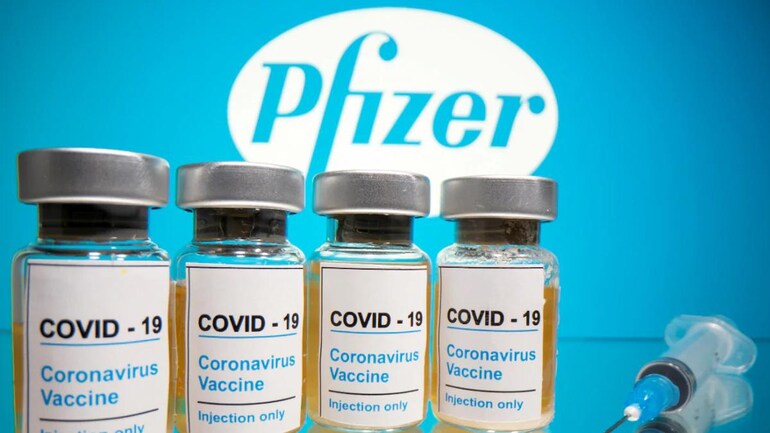
A group of Doctors in Britan has urged the UK government to “urgently review” its decision to give people a second dose of the Pfizer-BioNTech coronavirus vaccine up to 12 weeks after the first, rather than the shorter gap recommended by the manufacturer and the World Health Organization. In a statement the British Medical Association said there was “growing concern from the medical profession regarding the delay of the second dose of the Pfizer-BioNTech vaccine as Britain’s strategy has become increasingly isolated from many other countries.” “No other nation has adopted the U.K.’s approach,” Dr. Chaand Nagpaul, chairman of the BMA council, told the BBC. He said the WHO had recommended that the second Pfizer vaccine shot could be given up to six weeks after the first but only “in exceptional circumstances.”
Yvonne Doyle, medical director of Public Health England, defended the decision as “a reasonable scientific balance on the basis of both supply and also protecting the most people.” Researchers in Britain have begun collecting blood samples from newly vaccinated people in order to study how many antibodies they are producing at different intervals, from 3 weeks to 24 months, to get an answer to the question of what timing is best for the shots.The doctors’ concerns came a day after government medical advisers said there was evidence that a new variant of the virus first identified in southeast England carries a greater risk of death than the original strain.
The UK has adopted the policy in order to give as many people as possible a first dose of vaccine quickly. So far almost 5.9 million people in Britain have received a shot of either a vaccine made by US drug maker Pfizer and Germany’s BioNTech or one developed by U.K.-Swedish pharmaceutical giant AstraZeneca and Oxford University. AstraZeneca has said it believes a first dose of its vaccine offers protection after 12 weeks, but Pfizer says it has not tested the efficacy of its jab after such a long gap. Britain has recorded 97,329 deaths among people who tested positive, the highest confirmed virus toll in Europe and the fifth-highest in the world. The U.K. is in a lockdown to try to slow the latest surge of the virus, and the government says an end to the restrictions will not come soon. Pubs, restaurants, gyms, entertainment venues and many shops are closed, and people are required to stay largely at home.
















Related Items
RBI MPC review begins amid rupee, inflation pressures
Abhishek’s hospitalisation sparks row, Doctors term injuries superficial
Pradhan, ex ISRO chief review NEET-UG re-exam preparedness