 Ira Singh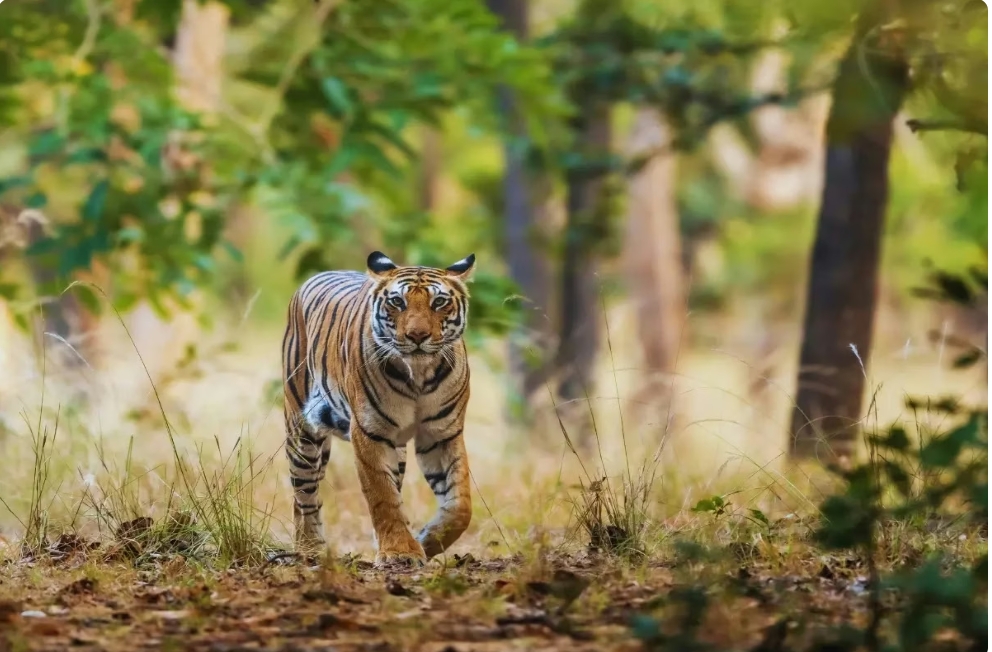
In Satpura, the tiger is only part of the story. I arrived in Satpura looking for a tiger. I left thinking about a river, a sandstone cliff, a giant squirrel and a forest that seemed in no rush to reveal itself.That may sound strange for a tiger reserve.Yet Satpura has always been a little different.
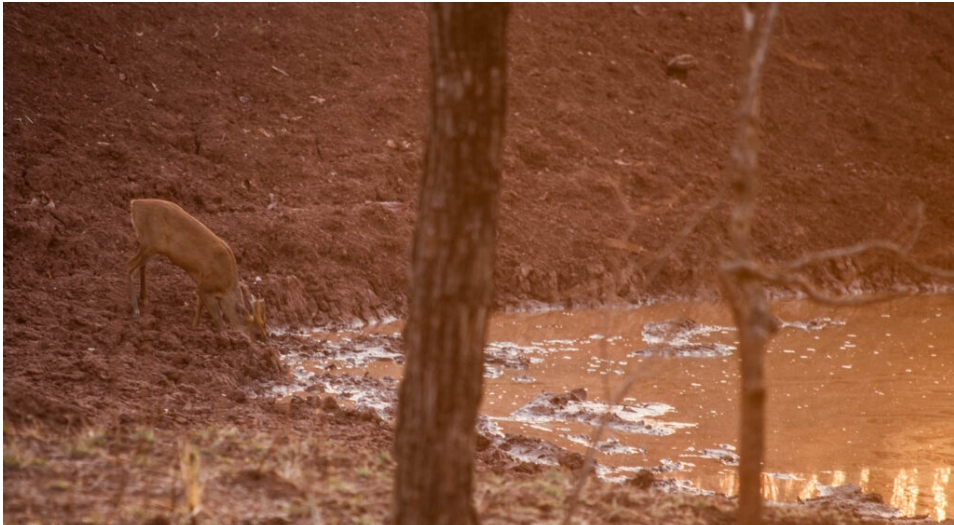
The journey begins at Madhai, a small settlement on the edge of the reserve in Madhya Pradesh's Narmadapuram district. Before the safari starts, visitors cross the Denwa River by boat. The crossing lasts only a few minutes. It feels much longer. On one side is the world of roads, mobile phones and hotel check ins. On the other stands a vast stretch of forest where the horizon is made of hills.The first sight of Satpura is not dramatic. There is no grand gate announcing wilderness. The jungle simply unfolds.
A teak tree. A dry stream bed. A langur watching from above.Then another turn. And another.Soon the landscape begins to explain why Satpura occupies a special place in India's conservation map.
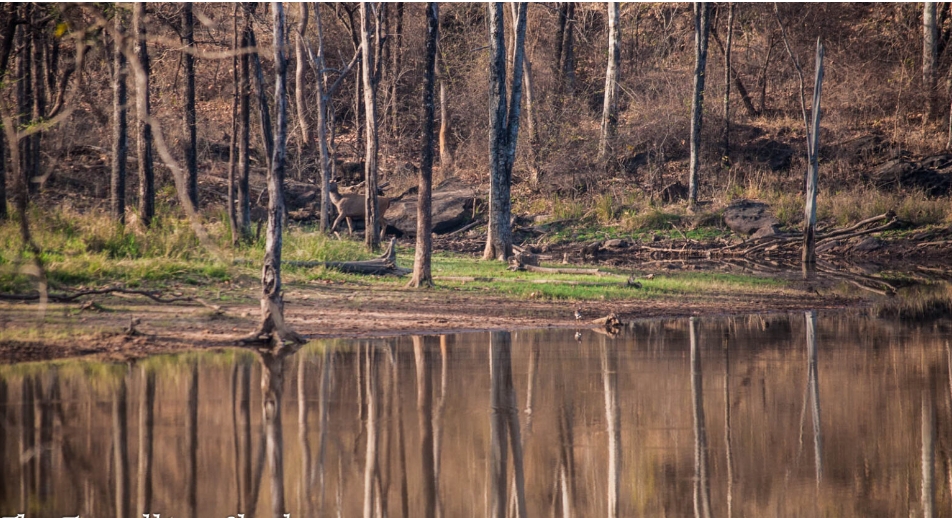
Spread over more than 2,133 square kilometres, the reserve includes the Satpura National Park along with the Bori and Pachmarhi wildlife sanctuaries. The core critical tiger habitat covers about 1,339 square kilometres, while the buffer zone extends across nearly 794 square kilometres. It is among the largest protected forest landscapes in central India.
The geography is unlike most wildlife destinations.Yet Satpura is not only a wildlife landscape. It is also a repository of forgotten history.A few hours into the safari, our guide pointed towards a narrow forest track and mentioned Jhinjhini Mahal. I had never heard of it before. Hidden deep inside the reserve, far from the routes most visitors take, the old Shiva temple appears almost suddenly between trees and rock formations.
No one seems quite sure about its exact history.The shrine is several centuries old and may date back more than a thousand years, say local guides. The first that what strikes a visitor is its setting and not the age.The structure stands quietly amid thick vegetation, with weather worn stones scattered around it. In some places, roots have pushed through cracks in the old masonry. Nature appears to have slowly folded the temple back into the forest.At the sight,guide recalled that many visitors are amazed to discover a temple in the middle of a tiger reserve. Most arrive hoping for a glimpse of wildlife, he said, but questions often shift to the shrine once they hear its story.
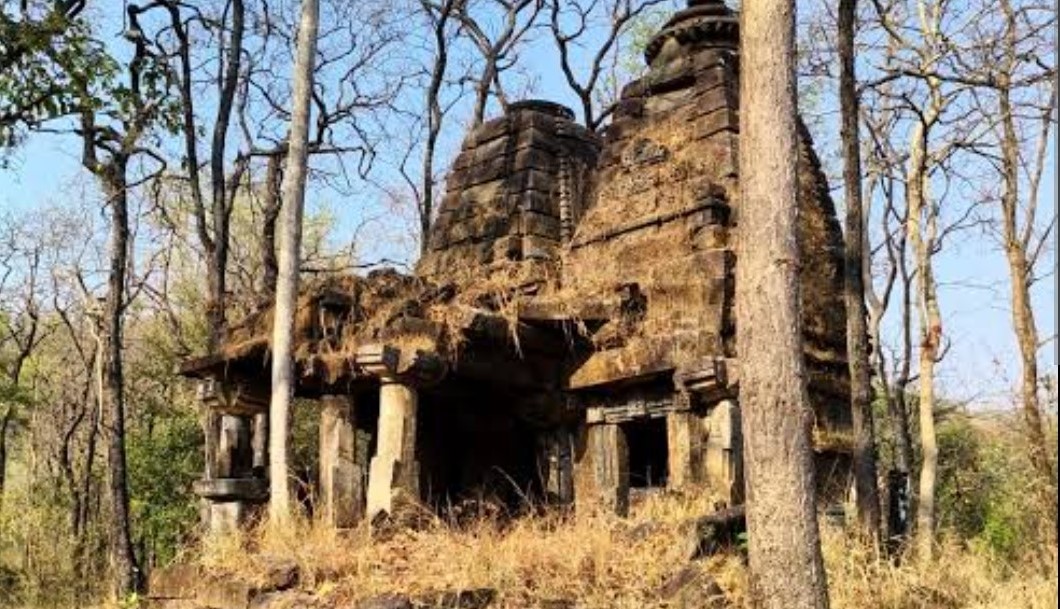
Standing there, it becomes easier to imagine that these forests were not always as isolated as they seem today. Long before Satpura became known for tiger conservation, people travelled through these hills, worshipped here and left behind traces that now survive only in fragments. Jhinjhini Mahal is one such fragment.
The landscape around it feels very different from the flatter forests many wildlife tourists are familiar with. Roads climb gently before dropping into valleys. Rocky slopes appear without warning. Dry stream channels cut across the terrain. At several points during the safari, I found myself looking at the hills rather than searching for animals. The geography becomes part of the experience.For wildlife enthusiasts, that unpredictability is part of the attraction.
Tiger sightings happen here. Leopard sightings too. Sloth bears, dholes, gaur and sambar are regularly recorded across the reserve. Yet conversations in Satpura often drift away from big cats. People discuss bird calls, tree species, animal tracks and the changing colour of the hills after rain.
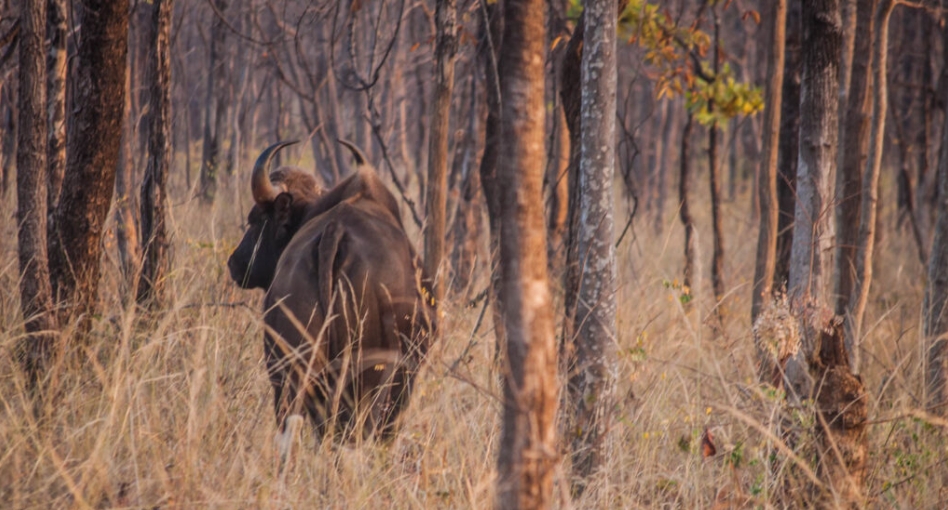
A forest guide who has spent over fifteen years in the reserve smiled when asked about tiger sightings."People arrive with one checklist," he said. "By the second day, they stop asking only about tigers."
The reserve is home to a healthy tiger population and forms one of the most important tiger landscapes in central India because of its connectivity with surrounding forests. Wildlife researchers consider this landscape critical for the long term movement and survival of tigers.What truly separates Satpura from many other reserves is the experience beyond the core tourism circuit.
In several buffer zones, visitors can spend time outside the vehicle in designated areas under the supervision of guides and forest staff. Nature walks and low impact tourism activities have long been part of Satpura's identity. For photographers, this changes everything. The forest is no longer viewed through a jeep window. One can stop, observe and wait.A crested serpent eagle circles overhead.
A paradise flycatcher flashes across a trail.
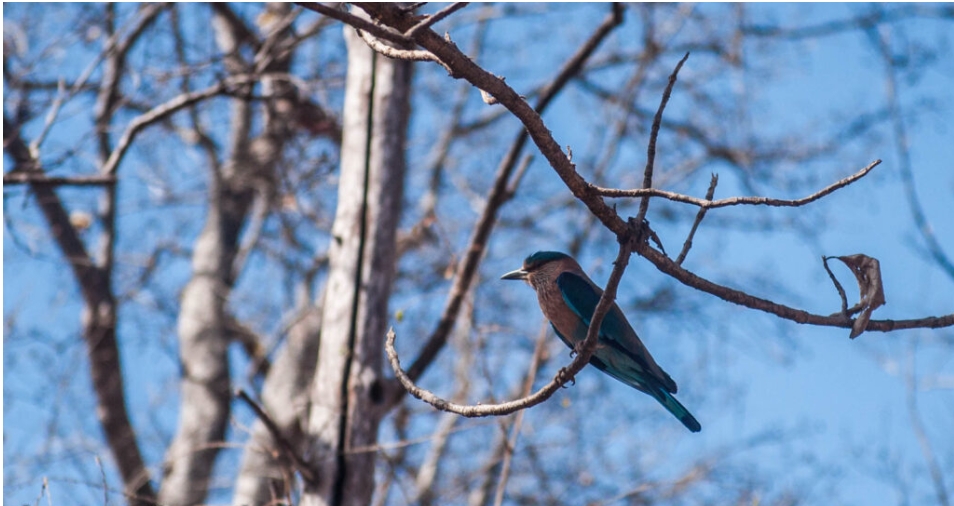
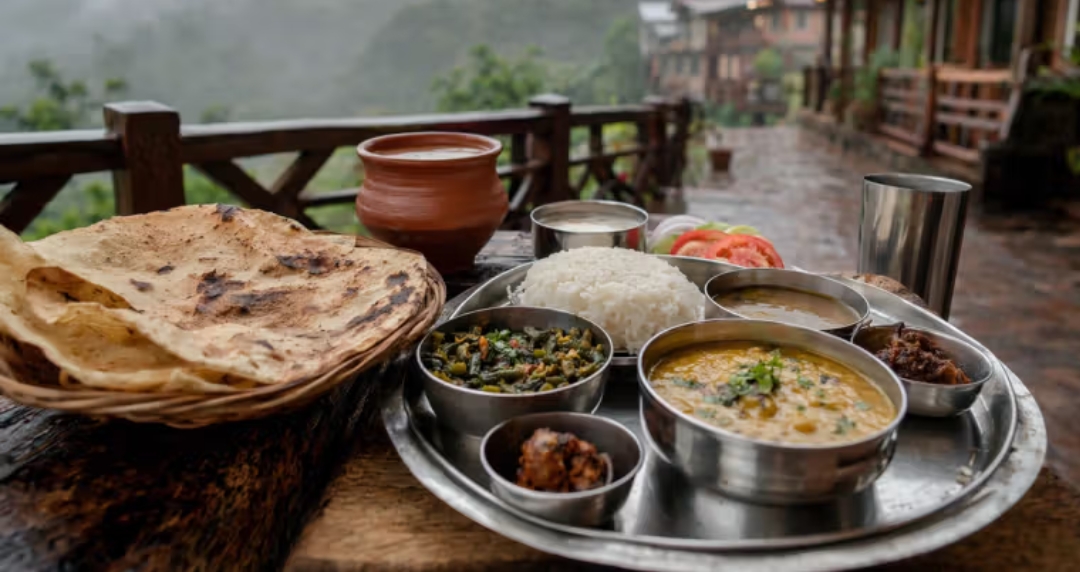
The camera suddenly feels less important than the moment itself.Ironically, photography inside sensitive parts of the reserve is more regulated than many first time visitors expect. Forest authorities keep a close watch on tourism activities, particularly in core wildlife areas, to minimise disturbance to animals and maintain the reserve's relatively quiet character.Among wildlife destinations that largely cater to luxury tourism, Madhai offers a mix of options. The Madhya Pradesh Tourism Development Corporation property at Madhai Gate is a good fit for economy class travellers who want comfort without the premium tag.The cuisine remains rooted in local tastes. Meals are uncomplicated and wholesome, often resembling food prepared in a family kitchen rather than a hotel restaurant. That simplicity becomes part of the charm.
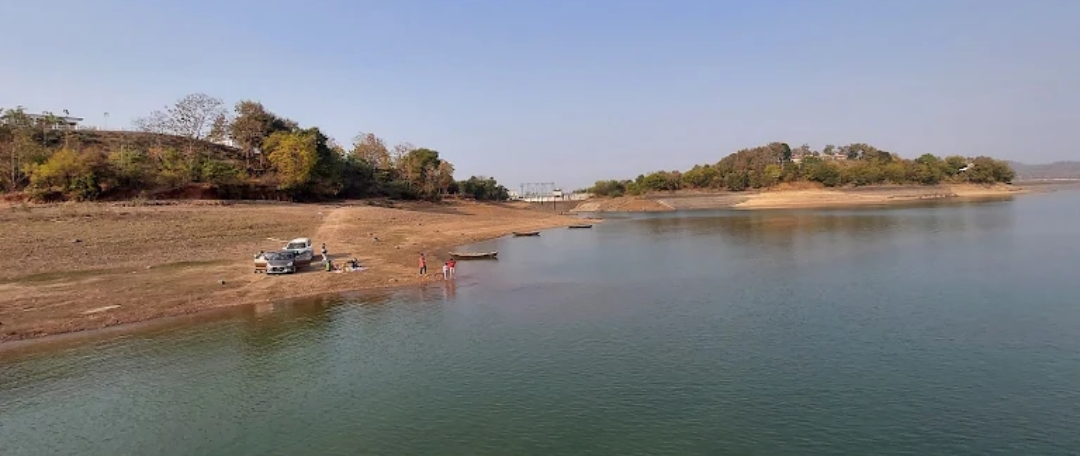
 Residents in the area say tourism is opening up new opportunities for local families. A small number of homestay projects are expected to come up around Madhai, allowing visitors to stay closer to village communities while generating additional income for residents.Staff members recalled that when rainfall is particularly intense, rising backwaters spread deep into the surrounding valleys. The water body around Madhai is primarily associated with the Denwa River and the Tawa reservoir backwaters. Hills that appear distant in summer seem to emerge directly from the water, creating a scene that many regular visitors consider one of Satpura's most spectacular sights.
 One evening, as the sun dipped behind the Satpura hills, a herd of gaur emerged from the forest edge. Nobody in the vehicle spoke. Even the guide remained silent.For nearly five minutes, all that could be heard was the sound of grazing.The changing landscape during the monsoon is another story often shared by locals. No tiger appeared.Nobody seemed disappointed.That is perhaps Satpura's greatest achievement.Many reserves promise sightings. Satpura offers something more difficult to describe. It allows visitors to experience a forest on the forest's terms.In an age of crowded safari routes and constant pursuit of the perfect wildlife photograph, Satpura remains refreshingly patient.
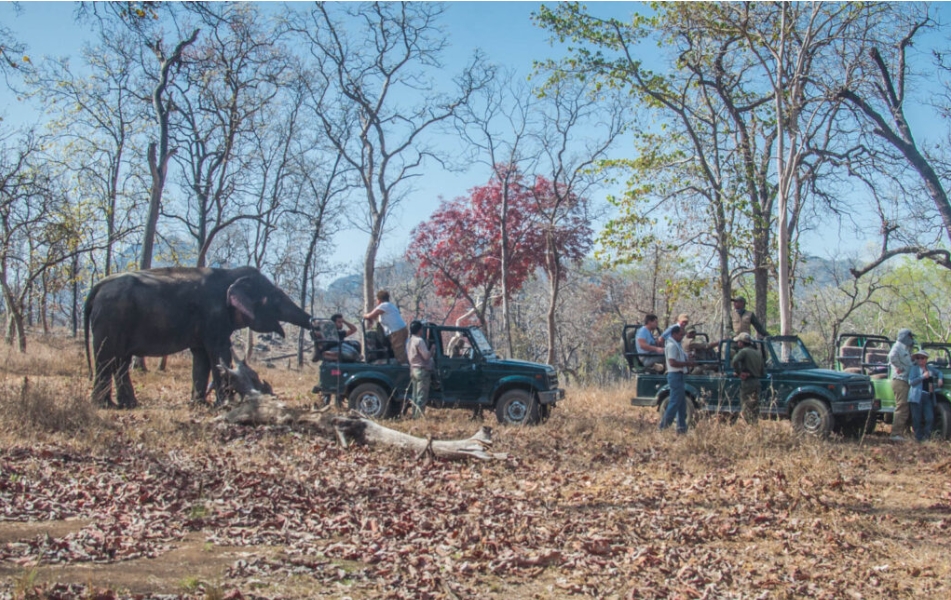
The jungle does not perform here.It simply exists.And for anyone who loves the wild, that may be reason enough to return!
(Asstt.Editor)


Related Posts
Kuno cheetah Nirva found in Shivpuri after 11-day search
CM Vijay condemns killing of 3 Tamil men in Karnataka forest firing
India’s tiger population reaches 3,682: Bhupender Yadav