 Ira Singh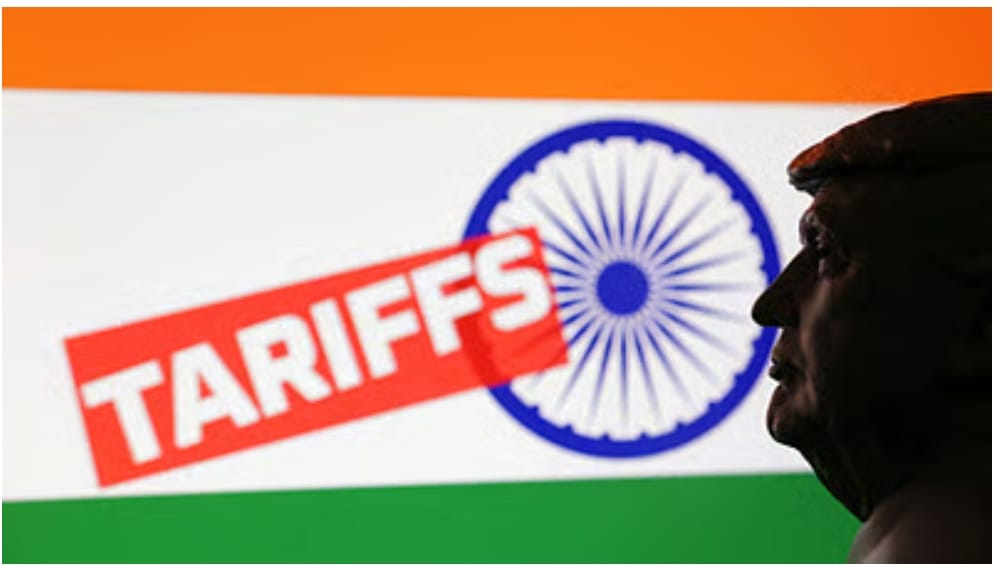
The Finance Ministry underscored that while the immediate impact of steep U.S. tariffs on Indian exports may seem limited, their secondary and tertiary effects could pose broader challenges to the economy.In its monthly economic review released on Wednesday, the ministry highlighted that the 50% tariff imposed by the U.S. from August 27 would affect shipments worth over USD 48 billion. Key sectors expected to be hit include textiles and clothing, gems and jewellery, shrimp, leather and footwear, animal products, chemicals, and electrical and mechanical machinery.“The immediate impact may appear limited, but the secondary and tertiary effects on the economy must be addressed. Ongoing India-U.S. trade negotiations will be crucial in this context,” the report stated.
To mitigate the impact of rising tariffs, India is pursuing a diversified trade strategy. The ministry pointed to the recently concluded Free Trade Agreements (FTAs) with the UK and EFTA and ongoing negotiations with the U.S., EU, New Zealand, Chile, and Peru. However, it noted that these initiatives may take time to bear fruit and may not immediately offset export shortfalls if tariffs remain elevated.Despite external headwinds, the report underlined India’s resilience. Strong domestic demand, stable policies, and high infrastructure investment recently earned India a sovereign rating upgrade from S&P, moving from BBB- to BBB. This reflects confidence in India’s robust macroeconomic fundamentals and ongoing reform momentum.
On the domestic front, the ministry said above-normal monsoon rainfall and better kharif sowing are expected to keep food inflation moderate in the near term. Increased market arrivals, comfortable buffer stocks, and stable global oil prices should help maintain price stability, even as global uncertainties weigh on growth.To strengthen growth, the government has rolled out a series of initiatives. These include a Task Force for Next-Generation Reforms to simplify regulations and reduce compliance costs, as well as upcoming GST reforms aimed at easing the tax burden on essential goods. These measures are expected to provide direct relief to households, boost consumption, and lower input costs for businesses.The government also emphasized its focus on job creation through the PM Viksit Bharat Rozgar Yojana, alongside education and skill development reforms to prepare the workforce for future demands.According to the ministry, these reforms, coupled with the sovereign rating upgrade, are expected to reduce borrowing costs, attract foreign capital, widen access to global markets, and strengthen confidence in India’s long-term growth trajectory. Together, they will support investment, stimulate consumption, and generate employment, ensuring stability amid global trade headwinds.
(Business Correspondent)














Related Items
Trump threatens 'tremendous' economic costs on Iran partners
Karnataka cabinet portfolios out: DKS keeps finance, check full list
Democratic-led 25 US states challenge Trump's forced-labour tariffs