 Newsinc24 Team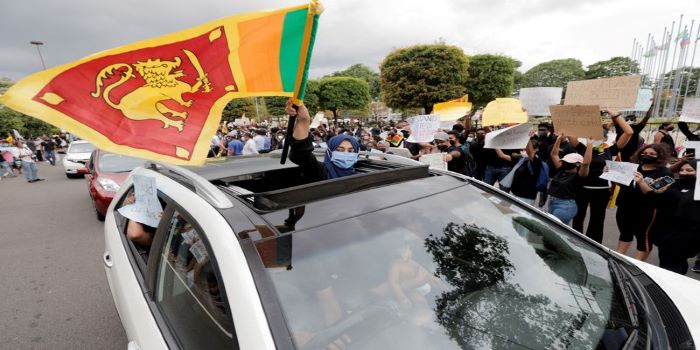
Sri Lankan President Gotabaya Rajapaksa’s ruling coalition lost its majority in Parliament as proceedings began Tuesday for the first time since the state of Emergency was imposed. At least 41 lawmakers walked out of the alliance amid public anger against the Rajapaksa family. According to media reports, MPs from parties aligned with Mr. Rajapaksa's Sri Lanka Podujana Peramuna (SLPP) led coalition said that they would now independently represent themselves. Meanwhile, the MPs' have distanced themselves from the government but have not extended support to the opposition. President Rajapaksa had asserted that he won’t resign from his position, however, he’s ready to hand over the government to whoever proves the majority in Parliament. While a vote count is yet to be taken, with the ruling coalition in minority, passing government proposals may become tough unless independent members support them. The newly appointed finance minister Ali Sabry has resigned. Sanry said, “fresh, proactive and unconventional steps” are needed to navigate this unprecedented crisis. Sabry added that when he resigned as Minister of Justice on April 3, it was not his intention to take up another post.
“We will not be joining this government,” Eran Wickramaratne of the main opposition Samagi Jana Balawegaya (SJB) party told the AFP news agency. “The Rajapaksa family must step down.” “Our party is on the side of the people,” said Maithripala Sirisena, leader of the SLFP which withdrew its support for Rajapaksa’s coalition. Protests continued across the country Monday night, including at the Independence Square in Colombo and outside the office of President Rajapaksa amid the ongoing crisis in Sri Lanka.
VIDEO: Sri Lankan protesters demand president resign over economic crisis.
— AFP News Agency (@AFP) April 5, 2022
Demonstrators rally at Independence Memorial Hall and outside President Gotabaya Rajapaksa's office in Colombo, demanding his resignation over the country's worsening shortages of food, fuel and medicine pic.twitter.com/PIvWeTzyib
Economists say Sri Lanka’s crisis has been exacerbated by government mismanagement, years of accumulated borrowing and ill-advised tax cuts. The government plans to negotiate an International Monetary Fund (IMF) bailout, but talks are yet to begin. The IMF said on Tuesday that it is monitoring political and economic developments in Sri Lanka “very closely”.







Related Items
ABVP protests in Bengaluru over KPSC irregularities; several detained
JPSC exam cancellation demand met,Students say protests to continue
Preserve ammunition log of RAF used in NEET protests: SC to Centre