 Newsinc24 Team
 Liquefied natural gas (LNG) supplies to India have been severely disrupted after QatarEnergy halted production at key facilities following attacks amid the escalating West Asia conflict, tightening gas availability for several domestic industries and city gas distribution networks.India relies heavily on long-term LNG contracts with Qatar to meet a significant portion of its natural gas demand. The sudden suspension of cargoes has resulted in supply cuts of up to 40% for several industrial consumers and city gas distribution (CGD) companies, raising concerns over fuel availability and costs across sectors.While some industries can switch to alternative fuels such as furnace oil, liquefied petroleum gas, or naphtha, albeit at higher costs, the compressed natural gas (CNG) segment faces greater challenges. CNG is widely used by retail consumers through city gas networks, and CGD operators warn that replacing contracted Qatari LNG with spot cargoes priced at more than double the long-term contract rates could erode CNG’s price advantage and push consumers toward electric vehicles.
India’s largest LNG importer, Petronet LNG Ltd, has also been unable to dispatch vessels to Qatar as the Strait of Hormuz has become virtually inaccessible amid escalating hostilities in the region. Qatar accounts for roughly 40% of India’s annual LNG imports of about 27 million tonnes, making the disruption particularly significant for the country’s energy security.City gas firms have written to state-owned gas utility GAIL (India) Ltd, raising concerns over the availability of domestic gas and LNG to meet requirements for CNG used in automobiles and piped natural gas (PNG) supplied to households. Industry executives warned that prolonged supply disruptions could affect priority sectors and strain distribution networks.
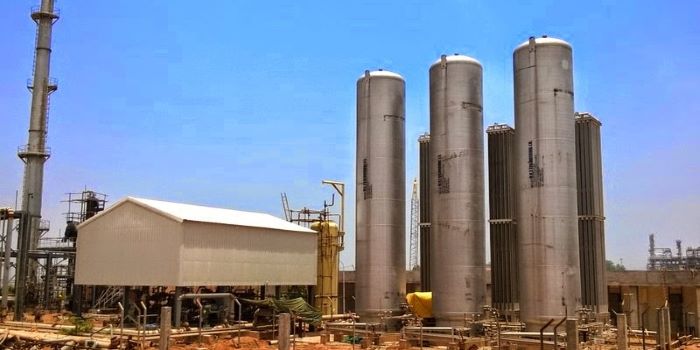
The disruption follows a drone attack on installations at Ras Laffan Industrial City, the world’s largest LNG export complex and a major supplier to India. Following the attack, QatarEnergy announced the suspension of LNG production at Ras Laffan and other associated facilities.“Due to military attacks on QatarEnergy's operating facilities in Ras Laffan Industrial City and Mesaieed Industrial City, QatarEnergy has ceased production of LNG and associated products,” the company said in a statement.According to sourecs,in a regulatory filing, Petronet LNG said it has issued a force majeure notice to QatarEnergy, citing its inability to send LNG carriers — Disha, Raahi, and Aseem — to the loading port at Ras Laffan. QatarEnergy has reciprocated with its own force majeure notice, attributing the disruption to the ongoing regional conflict.
The supply shock has already begun to ripple through India’s energy market. Domestic natural gas production meets only about half of the country’s demand, with the rest sourced through LNG imports. If the disruption continues, price-sensitive industrial consumers may increasingly shift to alternative fuels depending on cost considerations.Higher LNG prices could also raise costs for fertiliser producers, potentially increasing the government’s subsidy burden. The Association of CGD Entities (ACE), in a March 3 letter to the chairman and managing director of GAIL, warned that the reduction of low-priced gas supplies to 60% and the suspension of spot allocations could significantly affect gas availability for priority sectors.For India, the Strait of Hormuz remains a crucial energy artery. The narrow maritime route handles roughly 50% of India’s crude oil imports and about 54% of its LNG supplies, including cargoes from Qatar and the United Arab Emirates. According to shipping data, only 26 vessels traversed the strait recently, sharply lower than 91 vessels on February 28 and far below February’s daily average of 135, reflecting the growing disruption to regional energy trade.Meanwhile, companies such as Indian Oil Corporation and GAIL are exploring purchases in the spot market to bridge the supply gap. However, LNG prices have surged to around $25 per million British thermal units, nearly double the rates under long-term contracts, intensifying the cost pressures on Indian energy consumers.


Related Posts
India’s manufacturing sector sees 7-month high growth in Sept
Modi, Trump discuss bilateral ties in trade, defence, energy over phone
Cabinet hikes MSP for rabi crops,clears Green Energy Corridor Ph-3