 Ira Singh
India’s remittance inflows could face a moderate setback due to recent changes in the United States’ H-1B visa policy, according to India Ratings and Research (Ind-Ra). The agency estimates that India may lose up to $5 billion in remittances in FY26, though the overall impact on the economy would remain limited.Under Ind-Ra’s base case scenario, net remittances are expected to decline by around $2.8 billion, equivalent to 0.07% of GDP. In a more pessimistic projection, where H-1B visa issuances fall by 50%, the drop could reach $4.5 billion or 0.11% of GDP. A milder reduction in visa approvals would result in a smaller impact of about $2 billion (0.05% of GDP).
Remittances money transfers made by Indians living abroad to their families back home have been a vital source of foreign exchange. They stood at $124.6 billion in FY25, doubling from $66.3 billion in FY15. Since 2008, India has consistently topped the World Bank’s list of remittance-recipient countries.These inflows have played a critical role in supporting India’s external balance. Between FY20 and FY25, remittances financed 48.2% of the country’s goods trade deficit, compared with 44.6% during FY14–FY19. During the external deficit crisis of FY12–FY13, when rising oil prices widened the trade gap, net remittances covered only about one-third of the shortfall.
Ind-Ra noted that the H-1B visa programme has been instrumental in facilitating high-skilled employment for Indians in the U.S. Visa issuances remained steady at around 1.8 lakh between FY16 and FY19, before declining to a multi-decade low of 61,569 in FY21 due to the pandemic. The numbers later rebounded, reaching a record high in FY23. India’s share of total H-1B issuances climbed from 37–56% in the early 2000s to an average of 77.2% during FY20–FY23 but dropped to a decadal low of 68.6% in FY24 a trend that may indicate changing allocation dynamics.
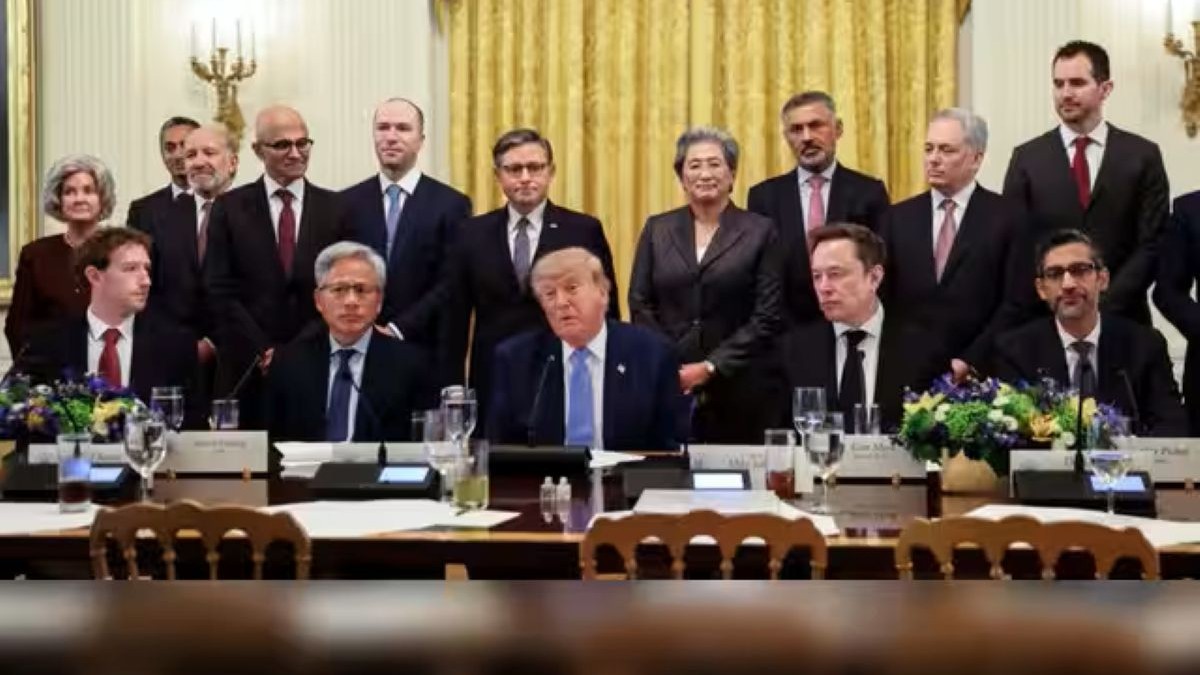
The analysis follows U.S. President Donald Trump’s recent order imposing a $100,000 annual fee on H-1B visa applications. Major technology companies such as Amazon, TCS, Microsoft, Meta, Apple, and Google are among the biggest users of the visa programme.“The new H-1B visa and remittance tax policies have amplified uncertainty and affected global economic sentiment since April 2025,” stated Paras Jasrai, Associate Director and Economist at Ind-Ra. “This could widen India’s current account deficit by around 0.1% of GDP in a pessimistic scenario.”Despite the anticipated slowdown, Ind-Ra expects net remittances to grow 8% year-on-year to $134.6 billion in FY26 under the base case. However, in the event of a sharp decline in visa issuances, growth could moderate to 6.7% and further to about 5% in FY27 — nearly half the compound annual growth rate recorded between FY20 and FY25.Ind-Ra’s assessment underscores the growing interconnectedness between global immigration policy and India’s external sector resilience, highlighting how shifts in the H-1B programme can ripple through one of the country’s most dependable sources of foreign exchange.
(Business Correspondent)
Related Posts
India-US trade talks hits 'plateau', Sitharaman hails FTA with EU
PM Modi, Swiss Prez Parmelin hold talks on India-EFTA trade ties
India’s Highways Ministry holds two-day Chintan Shivir in Gujarat