 Newsinc24 Team
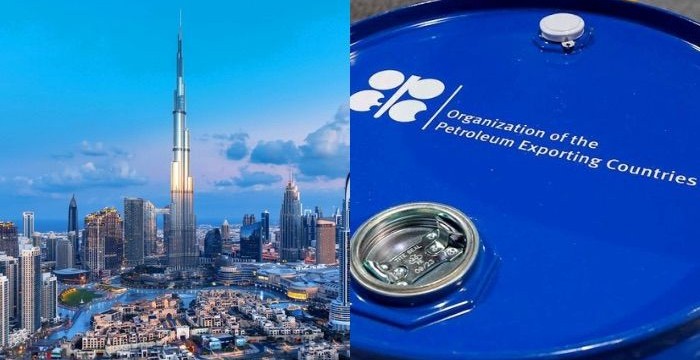
 The United Arab Emirates announced on Tuesday that it is leaving OPEC and OPEC+, in a move that could reshape global oil dynamics and weaken the cohesion of the producers’ alliance. UAE Energy Minister Suhail Mohamed al-Mazrouei said that the decision followed a review of the regional power’s energy strategies. Asked whether the UAE consulted other countries, including Saudi Arabia, before making the decision, he said, “This is a policy decision, it has been done after a careful look at current and future policies related to level of production.” Mazrouei said the UAE’s departure is unlikely to have a major immediate impact on oil markets due to existing supply disruptions.
The move has also drawn attention in Washington, with U.S. President Donald Trump having previously criticised OPEC, saying the group was “ripping off the rest of the world” by inflating oil prices. Opec Gulf producers have already been struggling to ship exports through the strait of Hormuz, a narrow choke point between Iran and Oman through which a fifth of the world’s crude oil and liquefied natural gas normally passes, because of Iranian threats and attacks against vessels.
The UAE joined Opec in 1967 through the Emirate of Abu Dhabi and remained in the organisation when the UAE was formed in 1971. Its departure will come into effect on Friday, May1.The move came after the UAE, a regional business hub and one of Washington’s most important allies, criticised fellow Arab states for not doing enough to protect it from numerous Iranian attacks during the Middle East conflict.













Related Items
OPEC+ cartel opts to keep October production targets unchanged
Karnataka Cabinet expansion sparks revolt, 2 MLAs quit, 19 take oath
The Minister quit, the books still haven't arrived