 Ankit Jain
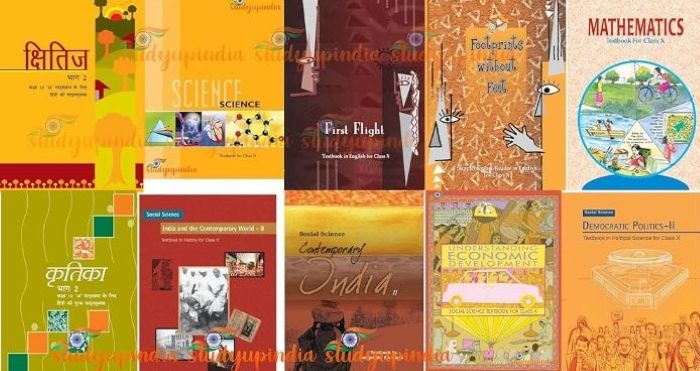
NCERT is estimated to procure approximately Rs121 crore worth of 80 GSM writing and printing paper annually for textbook production. Given the scale of procurement, even small improvements in procurement efficiency can translate into substantial savings for the public exchequer.
For illustration, if the procurement price is 10% higher than a comparable benchmark, the additional expenditure would be approximately Rs12.1 crore annually. At a 20% differential, the impact could be approximately Rs24.2 crore per year. These figures are illustrative and assume identical specifications, quality standards, delivery conditions, and contract terms.
This raises an important policy question. Industry stakeholders have pointed to procurement exercises by the West Bengal Text Book Corporation where comparable paper has reportedly been procured at significantly lower rates than those discussed for NCERT procurements. Public tender records show the West Bengal Text Book Corporation regularly conducts competitive e-procurements through the state procurement portal.
If comparable technical specifications, quality parameters, delivery schedules, and commercial conditions are indeed similar, an important question arises: Why should one public institution pay substantially more than another for comparable paper?
Possible explanations include:
- Different technical specifications or quality requirements.
- Different contract sizes and delivery obligations.
- Freight and warehousing costs.
- Payment terms and inventory management.
- Supplier qualification criteria.
- Differences in competitive intensity during bidding.
However, if none of these factors adequately explains a significant price differential, an independent review by the appropriate authorities would be justified to determine whether procurement practices can be improved.
The objective should not be to presume wrongdoing, but to ensure that every public procurement delivers maximum value for taxpayers while maintaining the highest quality standards.
A transparent benchmarking system comparing procurement prices across NCERT, State Textbook Corporations, State Education Departments, and other government agencies could significantly improve procurement efficiency. Such benchmarking would encourage competition, identify best practices, and reduce avoidable expenditure without compromising quality.
Given that NCERT prints approximately 4–5 crore textbooks annually, even modest savings in paper procurement could be redirected towards improving textbook quality, enhancing printing standards, strengthening school infrastructure, or expanding educational resources for students.
(Ankit Jain, Trade Commissioner, India–EU Trade Council)



Related Posts
Gujarat CM inaugurates Ahmedabad International Book Festival 2026
India defend Asian Games hockey gold, book Olympic berth
Cong:'Why Should Students Suffer?'over UGC-NET re-test for 3 papers