 Newsinc24 Team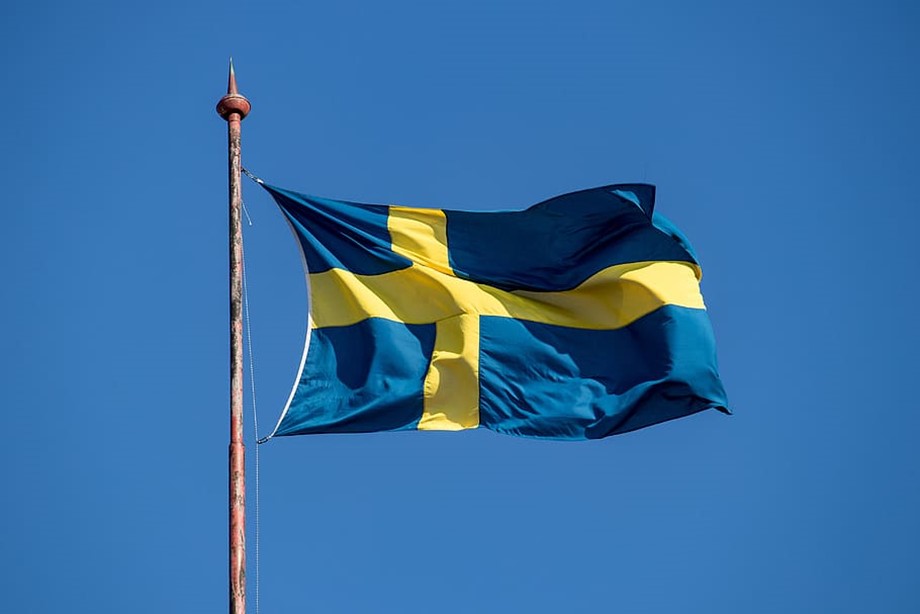
Sweden would launch an investigation into how it conducted international adoptions until the 1990s amid growing concern that many children may have been taken from their biological parents illegally. Worries have been increasing, however, that some of the children may have been stolen from their parents or bought by criminal networks who then gave them up for adoption, with local authorities collaborating to provide false papers. "We are going to need to investigate how adoption practices functioned in Sweden between the 1960s and the 1990s," Health and Social Affairs Minister Lena Hallengren said in an interview with the newspaper.
Reports on irregularities in international adoptions have been surfacing for years. Swedes have adopted about 60,000 children from around the world since the 1950s, according to the daily Dagens Nyheter, many of them from Asia and South America. In 2018, a commission in Chile looking into policies by which thousands of children from poor families were sent abroad between 1950 and 2000 said that many had been given away without the consent of their parents. Swedish families have adopted around 2,000 children from Chile since the 1970s.
The number of international adoptions in Sweden has been decreasing since the start of the millennium, falling to less than 400 in 2019 from about 1,000 in 2000, according to figures from the Statistics Office.In 2019, the largest number of international adoptions were from Asia. Most adoptions in Sweden are organised by non-profit organisations overseen by the government.














Related Items
Eyes on adoption of final document as NPT review conference enters final day
India, Sweden agree to elevate ties to Strategic Partnership
Nitin Gadkari calls for adoption of alternative fuels in infra development