 Newsinc24 Team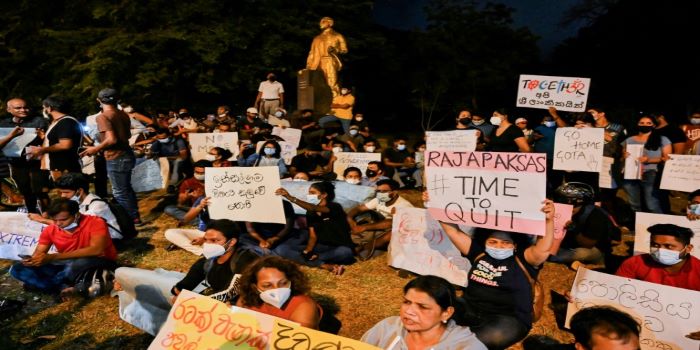
Sri lanka declared a 36-hour nationwide curfew Saturday and deployed troops backed with sweeping new powers under a state of emergency to quell protests against the president, his relatives. The lockdown will go into effect at dusk Saturday and be lifted on Monday morning, police said -- a period that covers planned mass anti-government protests against worsening shortages of fuel, food and medicines. President Gotabaya Rajapaksa invoked the tough law a day after hundreds tried to storm his house in anger over an unprecedented economic crisis. The emergency was declared for "protection of public order and the maintenance of supplies and services essential to the life of the community," he said in a proclamation. Under the emergency regulations the president can authorize detentions, taking possession of any property and the search any premises. He can also change or suspend any law. The order came a day after dozens of people were arrested following protests near the president’s home. There are also calls for an island-wide public protest on Sunday.
Sri Lanka has huge debt obligations and dwindling foreign reserves, and its struggle to pay for imports has caused the shortages. People wait in long lines for fuel, and power is cut for several hours daily because there’s not enough fuel to operate generating plants and dry weather has sapped hydropower capacity.Sri Lanka also has immense foreign debt after borrowing heavily on projects that don’t earn money. Its foreign debt repayment obligations are around $7 billion for this year alone. Among major lenders are the Asian Development Bank, Japan and China. According to the Central Bank, inflation rose to 17.5% in February from 16.8% a month earlier. Its expected to continue rising because the government has allowed the local currency to float freely. Sri Lanka’s economic woes are blamed on successive governments not diversifying exports and relying on traditional cash sources like tea, garments and tourism, and on a culture of consuming imported goods. The COVID-19 pandemic dealt a heavy blow to Sri Lanka’s economy, with the government estimating a loss of $14 billion in the last two years.







Related Items
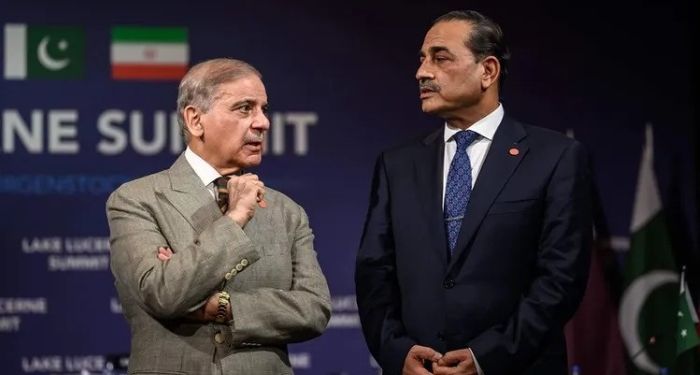
Pakistan: 'Legal Coup' gives absolute power to Field Marshal Munir
India raised $52 billion in debt. Did It miss the bigger opportunity?
When power becomes a joke