 Newsinc24 Team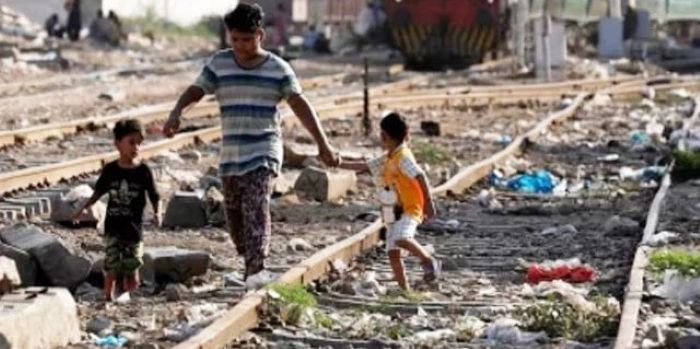
Poverty in Pakistan increased by 7 per cent over the last six years, with about 27 million joining the unenviable league, pushing the net tally of poor in the country to 70 million, according to the national economic survey. The Pakistan Economic Survey 2025-26, a key national document, was launched on Thursday as part of an annual exercise to share economic indicators before unveiling of the federal budget. The survey shows that poverty was at 21.9 per cent in 2018-19 and increased to 28.9 per cent in 2024-25.Poverty remained significantly higher in rural areas. Rural poverty increased from 28.2% to 36.2%, while urban poverty increased from 11.0% to 17.4% over the same period.
At the provincial level, poverty increased across all provinces. In 2024-25, poverty was estimated at 23.3% in Punjab, 32.6% in Sindh, 35.3% in Khyber-Pakhtunkhwa, and 47.0% in Balochistan. In 2018-19, the corresponding percentages were 16.5%, 24.5%, 28.7%, and 41.8%, respectively. Balochistan continued to record the highest poverty incidence, while Punjab remained the lowest among the four provinces.The updated estimates also indicate a rise in inequality. Urban inequality rose from 31 to 34.4, while rural inequality increased from 23.4 to 29.2. This suggests that the recent rise in poverty was accompanied by wider disparities in income distribution.
Despite the rise in poverty, the survey noted improvements in several social indicators. School attendance, literacy levels, internet access, immunisation coverage, sanitation facilities and access to cleaner fuels all improved between 2018-19 and 2024-25. The survey showed that rural poverty stood at 36.2%, more than double the urban poverty rate of 17.4%, underlining persistent disparities between cities and the countryside.
The rise in poverty comes after years of economic shocks, including inflationary pressures, currency depreciation, floods and slower income growth. Although inflation has eased considerably from crisis levels, households continue to struggle with elevated food, energy and transport costs accumulated over recent years. The findings come at a time when the government is touting economic stabilisation achievements, including a 3.7% GDP growth, lower fiscal deficits, stronger foreign exchange reserves and improved investor confidence. However, the poverty numbers show that stabilisation has not yet reached the common people.










Related Items
India beat Pakistan by seven wickets in women's T20 Asia Cup
US-Sri Lanka agents busts Pakistan drug network, 463 kg meth seized
Pakistan PMO crops PM Modi, Iran President from SCO family photo