 Ira Singh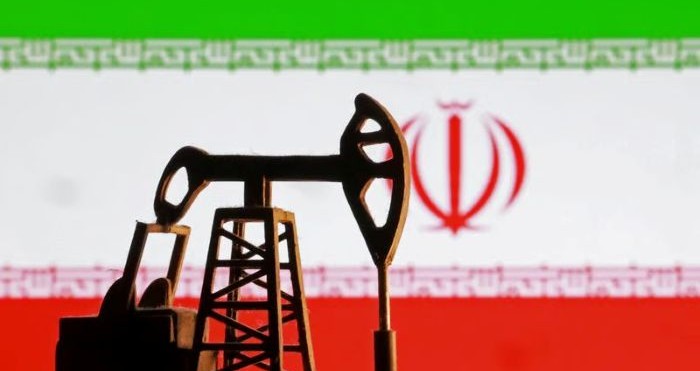
As geopolitical tensions in West Asia continue to rattle global energy markets and raise concerns over fuel supply disruptions, attention is once again turning to an untapped energy asset closer to home — the Ashoknagar oil field in West Bengal. The prospect of restarting crude oil extraction from the field has gained renewed significance amid India's efforts to strengthen energy security and reduce its dependence on imported petroleum.Located about 48 kilometres from Kolkata in North 24 Parganas district, the Ashoknagar field was discovered by the Oil and Natural Gas Corporation (ONGC) in 2018. The discovery marked a milestone for eastern India, making it the region's first oil and gas-producing zone. With estimated reserves exceeding 240 million barrels of crude oil, the field is viewed by many as a potentially important contributor to India's long-term energy strategy.
The issue recently received a political boost following a meeting in New Delhi between BJP Rajya Sabha MP Samik Bhattacharya and Union Finance Minister Nirmala Sitharaman. During the discussion, the leaders reportedly explored ways to revive West Bengal's economy, with the development of the Ashoknagar oil field emerging as a key area of focus.
Bhattacharya emphasized the importance of industrial rejuvenation in the state and underscored the Centre's commitment to strengthening Bengal's economic prospects. Referring to Prime Minister Narendra Modi's vision of "Sonar Bangla," he said the party had prepared a roadmap aimed at accelerating economic development and attracting investment to the state.According to reports, drilling operations had commenced at Ashoknagar in the past but were halted ahead of the state Assembly elections due to local disputes and resistance. However, changing political dynamics in the state have revived expectations that extraction activities could resume, allowing ONGC to move forward with the project.
Energy experts note that while the Ashoknagar reserves alone cannot eliminate India's reliance on imported crude, domestic production from the field could contribute to reducing import dependence over time. India currently imports more than 85 per cent of its crude oil requirements, making the country vulnerable to global price shocks and geopolitical disruptions, particularly in West Asia.The renewed focus on Ashoknagar comes at a time when policymakers are increasingly prioritizing energy security alongside economic growth. A successful revival of the project could not only strengthen domestic crude output but also generate employment, attract ancillary industries and boost economic activity in eastern India.
The discussion around Ashoknagar also follows a series of high-level political meetings involving senior BJP leaders and central government officials concerning West Bengal's development trajectory. Party leaders have repeatedly argued that industrialization, infrastructure expansion and employment generation will be central to the state's long-term economic revival.For West Bengal, the Ashoknagar field represents more than just an energy project. It symbolizes the possibility of reclaiming a larger role in India's industrial landscape. For the country as a whole, it offers a reminder that enhancing domestic energy production remains a critical component of safeguarding economic stability in an increasingly uncertain global environment.While significant investment, regulatory clearances and local cooperation will be required before large-scale production becomes a reality, the renewed push for Ashoknagar has once again placed Bengal's hidden oil reserves at the centre of India's energy security conversation.
(Business Correspondent)
Related Posts
Russia backs India for UNSC bid, puts veto power against West
More people got energy access under Modi: Australia PM Albanese
India vows to protect energy security, warns of impact on US ties