 Newsinc24 Team
 The India–European Union Free Trade Agreement (FTA) is being seen as a transformational trade deal for India’s textile and apparel sector, with the Ministry of Textiles highlighting its potential to significantly enhance exports, competitiveness and employment. The agreement provides zero-duty access to the EU’s massive USD 263.5 billion textile and apparel import market, opening new growth avenues for one of India’s most labour-intensive industries. The European Union is currently India’s second-largest export destination for textiles and apparel, and exports to the bloc have recorded steady growth over the past five years across multiple value-added and labour-intensive segments.
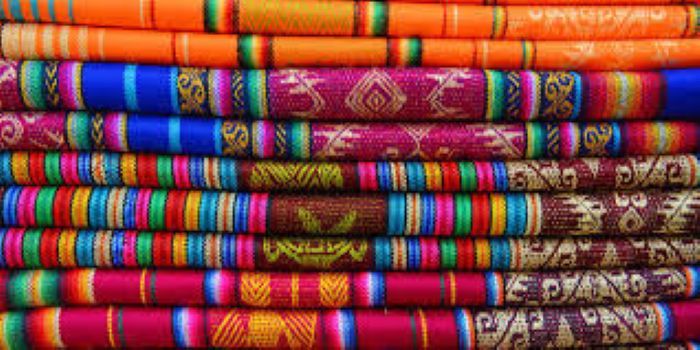
According to the Ministry, ready-made garments (RMG) account for the largest share of India’s textile exports to the EU, followed by cotton textiles, man-made fibre textiles, handicrafts and carpets. Smaller but significant contributions come from jute products, woollens, handlooms and silk products, underscoring the artisanal, MSME-driven character of India’s textile trade with Europe. This diversified export basket highlights the sector’s strong employment orientation and the importance of traditional and value-added manufacturing clusters in catering to sophisticated European consumers.
The conclusion of the FTA brings zero tariffs on nearly USD 33 billion worth of Indian exports, according to the Ministry of Commerce and Industry, eliminating duties of up to 10–12 per cent on products across textiles, apparel, leather, footwear, marine products, gems and jewellery, handicrafts, engineering goods and automobiles once the agreement comes into force. For textiles and clothing, zero-duty access across all tariff lines is expected to significantly enhance price competitiveness and expand market share in the EU, correcting a long-standing tariff disadvantage faced by Indian exporters compared to countries such as Bangladesh, Pakistan and Turkey.
India’s textile and apparel exports currently stand at USD 36.7 billion globally, including USD 7.2 billion to the EU. Gaining preferential access to the EU’s INR 22.9 lakh crore import market is expected to unlock substantial opportunities in yarn, cotton yarn, man-made fibre apparel, ready-made garments, men’s and women’s clothing and home textiles. This improved access is likely to enable MSMEs to scale operations, generate employment and reinforce India’s position as a reliable, sustainable and high-value sourcing partner in global supply chains.The textile sector employs around 45 million people directly in India, and improved access to the European market is expected to boost production, capacity utilisation and job creation across labour-intensive clusters. The FTA is also expected to encourage investment, technology transfer and sustainability-linked upgrades, particularly in man-made fibres, technical textiles and green manufacturing, aligned with stringent EU standards. This would facilitate deeper integration of Indian manufacturers into global value chains and support long-term competitiveness.
According to information,the agreement also provides enhanced market access for home décor, wooden crafts and furniture, with reduced duties of up to 10.5 per cent improving competitiveness in the EU market. This is expected to support growth in high-value, design-oriented segments and strengthen India’s role in global furniture supply chains, particularly for wooden, bamboo and handcrafted products.India’s textile exports to the EU originate from a geographically dispersed manufacturing base spanning 342 districts, reflecting broad-based participation and regional inclusiveness. The cluster-based ecosystem remains central to export growth, with ready-made garments driven by hubs such as Tiruppur, Bengaluru and Gurugram–Faridabad, cotton textiles and home furnishings anchored in Karur, Panipat and Ahmedabad, and man-made fibre textiles led by Surat, Dadra and Nagar Haveli, and Mumbai. Traditional segments are supported by handicrafts from Moradabad, Jaipur and Jodhpur, handlooms from Kanchipuram, Karur and Kolkata, carpets from Bhadohi, Mirzapur and Varanasi, jute products from Howrah and the 24 Parganas, and silk and woollen textiles from Bengaluru, Mysuru and Bhagalpur.
Beyond tariff liberalisation, the India–EU FTA includes comprehensive provisions to address non-tariff barriers through enhanced regulatory cooperation, customs facilitation, transparency and predictable trade rules. Together with India’s FTAs with the UK and EFTA, the agreement effectively opens up the wider European market for Indian exporters and entrepreneurs, strengthening export diversification efforts led by the Ministry of Textiles.










Related Items
BRICS in India: Putin, Xi and other world leaders to attend Summit
India holds bilateral agri talks with Malaysia, Timor-Leste & Myanmar
India seeks stronger BRICS partnerships to boost women entrepreneurs