 Sunny Sriram
Healthy eating is important at all ages of life but nutritional requirements of the human body change as we move through different life stages. To be fit and healthy, it is important to take into account the extra demands placed on the human body by these changes. It doesn't matter about age or previous eating habits, it's never too late to change diet and improve the way one can think and feel. Eating well and being active is important for everyone.
In Twenties: Foods with Protein
Most Indians naturally get plenty of protein in their diet, which helps the body build and heal muscle. But active young people, especially those who play sports, may need more. Good sources include dairy products, as well as plant-based sources like beans, lentils, nuts, seeds, and tofu. Tofu has the added benefit of lots of fibre, which is something many younger people could use more of in their diet.
Complex Carbohydrates
Carbohydrates are body's preferred source of fuel for energy. Complex carbs take longer to break down and digest for your body, giving you more energy and helping you feel full longer. Good sources of these include beans, quinoa, oatmeal, and whole-wheat bread.
Calcium-Rich Foods
Calcium can help strengthen bones and teeth. Especially important during the 20s, when bones reach their maximum size and strength. Dairy products like milk, yogurt, kefir (a fermented milk drink that has the texture of a thin yogurt), cottage cheese, and low-fat cheese are good sources of calcium. They also have other important nutrients, like vitamin D, potassium, and protein.
Iron-Rich Foods
Iron is the carrier of oxygen throughout your body and gives energy. Lack of iron leads to anemia. This is when blood does not have enough red blood cells to carry oxygen the way it should. Young women are especially likely to be low in iron, but foods like beans, raisins and spinach can help. However, remember to not take iron supplements unless your doctor says so.
In Thirties: Bok Choy
For adults who do not eat enough fruits and vegetables, it is a good idea to make the ones they do eat count. This nutritional powerhouse gives you a lot of bang for the buck. Like other dark, leafy greens, bok choy is a good source of vitamins K and C, folate, selenium, beta carotene (which your body changes into vitamin A), antioxidants, and quercetin. But it also has magnesium, potassium, and calcium. For a twist, try roasting it.
In Forties: Fermented Foods
Your gut has a close connection to your immune system and your overall health. As you get older, it is even more important to take care of it. Foods that have probiotics (good bacteria) and natural prebiotics (food for good bacteria) can help keep your gut healthy. Good sources of probiotics include yogurt, kimchi, and sauerkraut. Foods with prebiotics include onions, garlic, leeks, asparagus, artichokes, beans, and whole-grain foods. And sourdough bread.
Bright Fruits and Vegetables
Fruits that are dark, as well as those that are bright, have antioxidants. They help protect your cells from damage that can lead to serious conditions, like cancer, as you age. Fruits and vegetables in a variety of colours -- orange, purple, red, yellow, green, blue -- can give you a full a range of nutrients and set the stage for good health in your later years.
Whole Grains
These are a good source of fibre, which can make you feel fuller longer. Paired with lean protein and produce, whole grains are an important part of a balanced diet. Most whole grains have the added benefit of other nutrients as well.
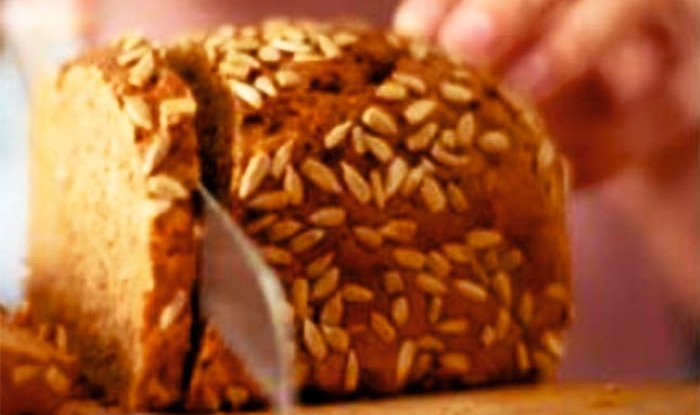
In Fifties: High-Fibre Vegetables
Eating fibre can help keep you regularly healthy. That is important as you get older. High-fibre vegetables, like broccoli, cauliflower, Brussels sprouts, and cabbage work especially well for this. They also have a lot of water, which makes the fibre work even better.
Turmeric
Studies show that some turmeric extracts can help ease the pain and other issues associated with osteoarthritis. That is a common form of arthritis that usually starts after age 50 and typically affects your hands, hips, and knees. Experts also continue to explore if these extracts might help lower cholesterol and manage depression. You can put turmeric while cooking vegetables or could also use it as part of a marinade. There are even recipes for turmeric tea.
Plant-Based Protein
Getting more of your protein from plants lowers the amount of saturated fat in the diet. That can lower your chances of high cholesterol and heart disease. Beans and lentils also give you magnesium, potassium, iron, folate, and fibre and can help protect your cells. You may try adding crumbled tofu or roasted ground nuts.
Choline
Men older than 50 need 550 milligrams and women need 425 milligrams per day of Choline. It is an essential nutrient that is naturally present in some foods and the body needs for important functions like memory, muscle control, mood balance, and breaking down fats. It is needed for many steps in metabolism and to synthesize phosphatidylcholine and sphingomyelin, two major phospholipids vital for cell membranes. Therefore, all cells need choline to preserve their structural integrity. In addition, choline is needed to produce acetylcholine, an important neurotransmitter for memory, mood, muscle control, and other brain and nervous system functions. Choline also plays important roles in modulating gene expression, cell membrane signalling, lipid transport and metabolism.
Humans can produce choline endogenously in the liver, mostly as phosphatidylcholine, but the amount that the body naturally synthesizes is not sufficient to meet human needs. As a result, humans must obtain some choline from the diet. When a diet is deficient in folate, a B-vitamin that is also a methyl donor, the need for dietary choline rises because choline becomes the primary methyl donor.
In Sixties & Beyond: Olive Oil
Heart health is crucial in these years, and olive oil is a great source of unsaturated fats, which help protect your heart -- and your brain, too. A little splash also adds a lot of flavour. Try cooking veggies well in it slowly, adding your favourite fresh herbs or spices.
Berries
Strawberries and blueberries are high in anthocyanins. Those are chemicals that help lower your blood pressure and keep your blood vessels healthy. They are also naturally sweet but low in sugar, so they make a great snack. Aim to have them at least two or three times a week.
(Author Sunny Sriram is Director – Arrowroot Hospitality Incubation Private Limited and member advisory board Better Kitchen. He specializes in conceptualizing unique dining concepts, realizing ROI faster than expected, and chain-store strategizing).
(This story has been published under arrangement from Better Kitchen magazine)

















Related Items
Rajasthan HC flags Gen Z, Alpha issues, bans junk food near schools
Goyal eyes new avenues for Indian agri-food exports to Singapore
India's retail inflation rises to 4.45% in July on food prices