 Newsinc24 Team
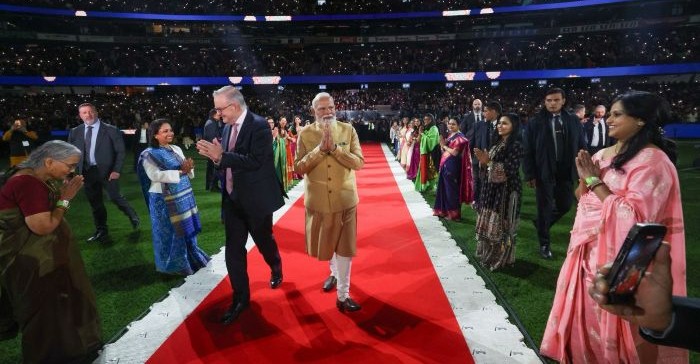
 India and Australia concluded a landmark deal on Thursday for the supply of uranium to boost New Delhi’s nuclear power programme and agreed to deepen cooperation in defence, maritime security, critical minerals and energy as Prime Minister Narendra Modi and his counterpart Anthony Albanese pledged to strengthen stability and a rules-based order in the Indo-Pacific region.The adoption of the India-Australia Joint Declaration on Defence and Security Cooperation (JDDSC) and the India-Australia Maritime Security Collaboration Roadmap (MSCR) were among the major outcomes of the third India-Australia Annual Summit, which resulted in 18 agreements and initiatives spanning defence, maritime security, energy, cyber and critical technologies, education, mining, research and cultural cooperation.
The new JDDSC expands upon the 2009 Joint Declaration on Security and outlines cooperation in areas including defence, maritime security, cyber security, defence industries, counter-terrorism, humanitarian assistance and disaster relief (HADR), emerging technologies and regional security.The two sides also agreed to speed up negotiations on a Comprehensive Economic Cooperation Agreement (CECA) to build on the Economic Cooperation and Trade Agreement, or interim trade deal, signed in 2022, and to move forward on a bilateral investment treaty.
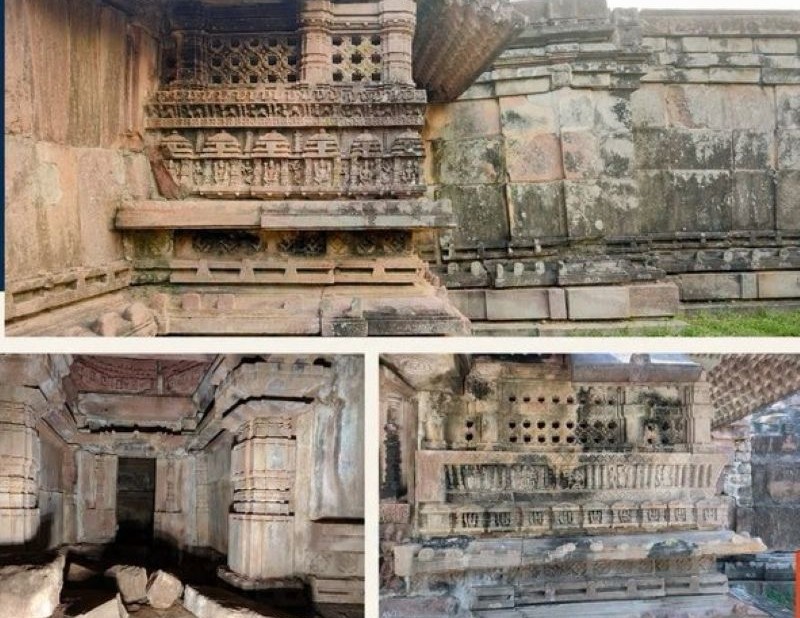
Australia is set to repatriate several antiquities of cultural significance to India, highlighting the growing cooperation between the two countries in protecting and preserving cultural heritage.According to the Ministry of Culture, the artefacts include a ceremonial bronze trident of Goddess Bhadrakali, a granite idol of Nandi, and a basalt sculpture depicting the six-headed Karttikeya. The items date back to the 11th and 12th centuries and were originally sourced from historic temples in Tamil Nadu.
The India-Australia Joint Summit statement also welcomed progress on the voluntary and unconditional repatriation of First Nations ancestral remains held in India, along with the return of Telugu remains currently housed in Australia. Prime Minister Modi expressed appreciation for Australia’s decision to voluntarily return several cultural artefacts to India, describing it as a reflection of the strengthening ties between the two countries.








Related Items
India backs UN map resolution, says territorial integrity is non-negotiable
India beat Pakistan by seven wickets in women's T20 Asia Cup
India votes in favour of UNGA resolution endorsing new world map