 Newsinc24 Team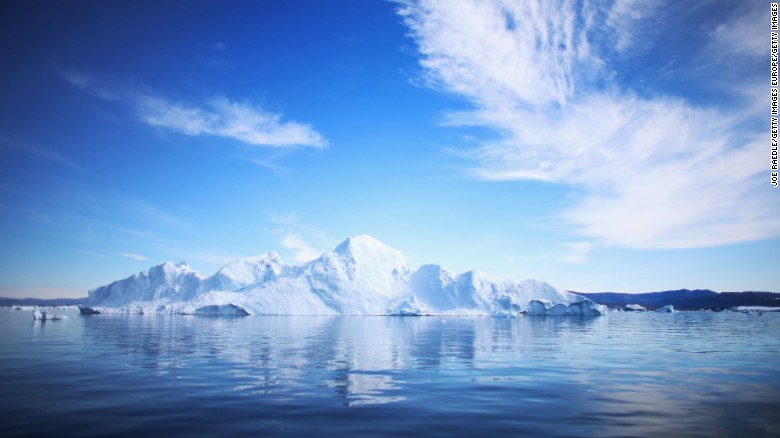
According to a new study conducted by the University of Leeds, the earth has lost 28 trillion tonnes of ice between 1994 and 2017. The study found that ice is disappearing from across the planet at a rapid pace. A first of a kind, the study revolved around a survey of global ice loss using satellite data. The rate of ice loss from the Earth has increased markedly over the past three decades, from 0.8 trillion tonnes per year in the 1990s to 1.3 trillion tonnes per year by 2017. Meanwhile, there has been a 65 per cent increase in the rate of ice loss. This has been mainly driven by a steep rise in the loss of polar ice sheets in Antarctica and Greenland.
Researchers noted that melting of ice across the globe raises sea levels increasing the risk of flooding in coastal communities while also threatening to wipe out natural habitats that are home to wildlife. Author Thomas Slater, a Research Fellow at Leeds University, said, every region, we studied lost ice, losses from the Antarctic and Greenland ice sheets have accelerated the most. The survey covers 2,15,000 mountain glaciers spread around the planet, the polar ice sheets in Greenland and Antarctica, the ice shelves floating around Antarctica, and sea ice drifting in the Arctic and Southern Oceans.
"Sea ice loss does not contribute directly to sea-level rise but it does have an indirect influence. One of the key roles of Arctic sea ice is to reflect solar radiation back into space which helps keep the Arctic cool," said Isobel Lawrence, a Research Fellow at Leeds."As the sea ice shrinks, more solar energy is being absorbed by the oceans and atmosphere, causing the Arctic to warm faster than anywhere else on the planet," Lawrence added.
















Related Items
India invites global bids for rare earth magnet manufacturing units
Gujarat mineral shares rise 7% on Sitharaman’s rare earth corridor push
Odisha, Kerala, Andhra, TN to have dedicated rare earth corridors