 Newsinc24 Team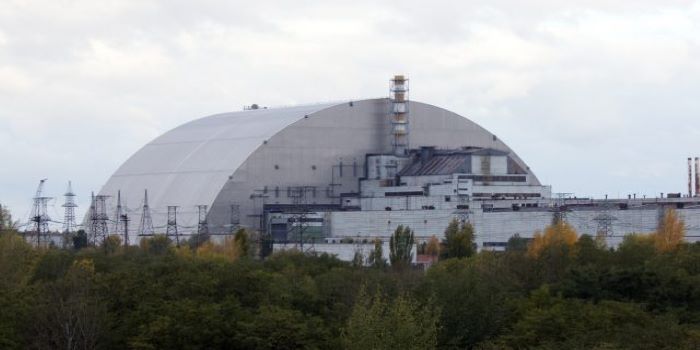
Ukraine’s nuclear regulatory agency says, the radiation monitors around the Chernobyl nuclear power plant, site of the world’s worst meltdown in 1986, have stopped working. In a statement on Monday, the agency also said there are no longer firefighters available in the region to protect forests tainted by decades of radioactivity as the weather warms. The plant was seized by Russian forces on Feb. 24. According to the statement, the combination of risks could mean a significant deterioration of the ability to control the spread of radiation not just in Ukraine but beyond the country’s borders in weeks and months to come.Management of the Chernobyl plant said on Sunday that 50 staff members who had been working nonstop since the Russian takeover have been rotated out and replaced.
Meanwhile, Japan has denounced Russia over its decision to discontinue peace treaty talks over the disputed Kuril islands and withdraw from joint economic projects in retaliation for Tokyo’s sanctions over the Russian invasion of Ukraine.The two countries never signed a peace treaty formally ending World War II hostilities because of their dispute over the Russian-held islands north of Hokkaido, which Moscow took at the end of the war. “The latest situation has been all caused by Russia’s invasion of Ukraine,” Chief Cabinet Secretary Hirokazu Matsuno told reporters Tuesday. He called Russia’s response “extremely unjustifiable and absolutely unacceptable.” Japan has imposed a series of sanctions on Russia in recent weeks, including freezing some individual assets, banning exports of luxury goods and high technology equipment to the country and revoking Russia’s most-favored nation trade status.
A Moscow court banned Facebook and Instagram on Monday for what it deemed extremist activity in a case against their parent company, Meta. The Tverskoy District Court fulfilled a request from prosecutors to outlaw Meta Platforms Inc. and banned Facebook and Instagram for what they called “extremist activities.” The prosecutors have accused the social media platforms of ignoring government requests to remove what they described as fake news about the Russian military action in Ukraine and calls for protests in Russia. The court’s ruling bans Meta from opening offices and doing business in Russia. Meta declined to comment when contacted by the AP. Prosecutors haven’t requested to ban the Meta-owned messaging service WhatsApp, which is widely popular in Russia. The authorities also emphasized that they do not intend to punish individual Russians who use Facebook or Instagram.
The Dutch prime minister says that the European Union should be careful when imposing new sanctions on Russian gas and oil companies because some nations are still heavily dependent on these resources. “We must be sure that energy independence has sufficient gas and oil in the system. It is very important for the Netherlands, Germany, France, and the countries of eastern Europe,” Mark Rutte told reporters after meeting Lithuanian President Gitanas Nauseda. “We need to do this as soon as possible, but we cannot do that tomorrow.” Nauseda replied saying that Lithuania invested heavily into energy security for decades and now is ready for a full boycott of Russian oil and gas. “Now that the masks have fallen, it is time to move forward implementing decisions that are absolutely necessary for Europe to feel safer, more independent and resistant to external shocks,” Nauseda said.












Related Items
Goyal pushes India-Japan cooperation in chips, steel manufacturing
Putin credits PM Modi for growing Russia-India trade
Raipur varsity cancels B.Sc Agri Plant Pathology exam over paper leak