 Newsinc24 Team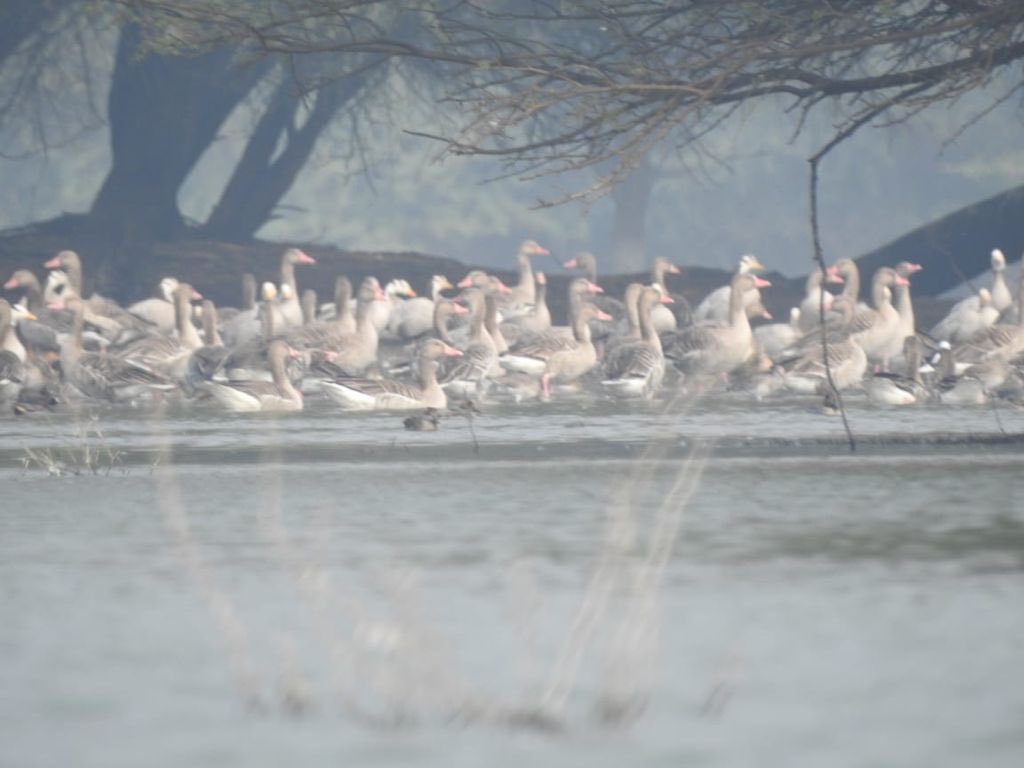
Four more Indian sites have been recognised as wetlands of international importance under the Ramsar Convention. Two of them are in Gujarat and two in Haryana. With this, the number of such sites in the country has risen to 46. Union Environment Ministry said this is for the first time that two wetlands in Haryana -- Sultanpur National Park in Gurgaon and Bhindawas Wildlife Sanctuary in Jhajjar -- have been included in the Ramsar list.Reacting to the development, Prime Minister Narendra Modi said it is a matter of pride that four Indian sites have secured Ramsar recognition.
It is a matter of pride for us that four Indian sites get Ramsar recognition. This once again manifests India's centuries old ethos of preserving natural habitats, working towards flora and fauna protection, and building a greener planet. https://t.co/ARKemkU4rj pic.twitter.com/Ibyni7X9vB
— Narendra Modi (@narendramodi) August 14, 2021
The aim of the Ramsar list is to develop and maintain an international network of wetlands which are important for the conservation of global biological diversity and for sustaining human life through the maintenance of their ecosystem components, processes and benefits. Bhindawas Wildlife Sanctuary in Haryana is a human-made freshwater wetland. It is also the largest in Haryana.Over 250 bird species use the sanctuary throughout the year as a resting and roosting site. The site supports more than 10 globally threatened species, including the endangered Egyptian Vulture, Steppe Eagle, Pallas's Fish Eagle, and Black-bellied Tern. Sultanpur National Park is also located in Haryana and supports more than 220 species of resident, winter migratory and local migratory waterbirds at critical stages of their life cycles.
Thol Lake Wildlife Sanctuary in Gujarat lies on the Central Asian Flyway and more than 320 bird species can be found here. The wetland supports more than 30 threatened waterbird species, such as the critically endangered White-rumped Vulture and Sociable Lapwing, and the vulnerable Sarus Crane, Common Pochard and Lesser White-fronted Goose.Wadhvana Wetland is also in Gujarat and is internationally important for its birdlife as it provides wintering ground to migratory waterbirds, including over 80 species that migrate on the Central Asian Flyway. They include some threatened or near-threatened species such as the endangered Pallas's fish-Eagle, the vulnerable Common Pochard, and the near-threatened Dalmatian Pelican, Grey-headed Fish-eagle and Ferruginous Duck.


Related Posts
Shekha Jheel declared India’s 99th Ramsar site
India added two more wetland into Ramsar list
India adds 4 new Ramsar sites, Tamil Nadu leads with 20 wetlands