 Ira Singh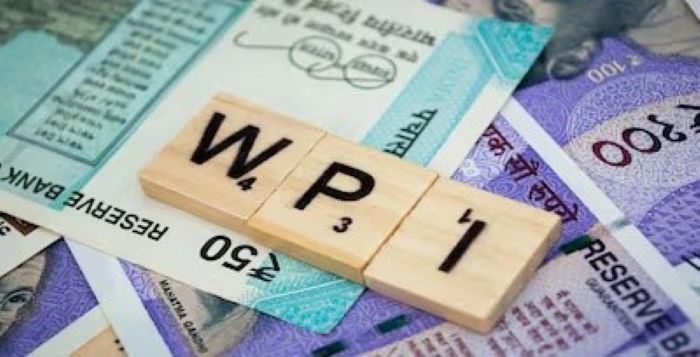
India’s wholesale inflation remained in negative territory for the second straight month in July, driven by a steep decline in food and fuel prices, according to data released by the Ministry of Commerce & Industry on Thursday. According to information, the Wholesale Price Index (WPI)-based inflation fell to a two-year low of -0.58% in July, compared to -0.13% in June. This marks the sharpest deflation since the pandemic period, with wholesale food inflation slipping to a decadal low of -2.15% during the month.The sharp fall was largely attributed to a year-on-year decline in the prices of key commodities. Vegetables led the drop, tumbling 29%, the steepest fall since December 2022. Pulses became cheaper by 15.1%, spices by 15.6%, and fruits by 2.7%. Cereal inflation eased to 1.4%, the lowest in nearly four years.
On the energy front, fuel and power prices fell 2.43% year- on-year in July, extending relief to businesses and consumers. However, inflation in manufactured products rose marginally to 2.05% in July from 1.97% in June, indicating some pressure in industrial input costs. The decline in wholesale inflation mirrors the easing trend in retail prices. Earlier this week, the National Statistics Office reported that retail inflation, measured by the Consumer Price Index (CPI), had fallen to an eight-year low of 1.55% in July.
While the easing in food prices is positive for consumption demand, it raises concerns over rural incomes. “A sustained decline in food prices acts as a downside risk of lowering the incomes of households dependent on farming activity,” said Paras Jasrai, Associate Director at India Ratings and Research. Jasrai further pointed out that retail inflation for some items like cereals and fruits remains significantly higher than their wholesale inflation, while categories such as spices and pulses show sharper declines at the wholesale level. “A sustenance of such a trend can put pressure on farm incomes, potentially derailing the rural demand recovery witnessed in recent quarters,” he cautioned.
Core wholesale inflation which excludes volatile food and fuel prices edged up to a three month high of 1.1% in July, largely driven by a record 28.4% surge in jewellery prices. However, easing base metal prices and subdued inflation across other categories kept core inflation contained. The latest figures suggest that while the inflation outlook remains benign for now, policymakers will need to closely monitor rural demand trends and the impact of falling farm-gate prices on household incomes, noted experts.
(Business Correpondent)














Related Items
India, Bengal not safe until borders are secured: Amit Shah
India composite PMI rises to 54.6 in Aug from 52 month low: HSBC
India & Brazil sign MoU in ICTs on sidelines of BRICS track meeting