 Ira Singh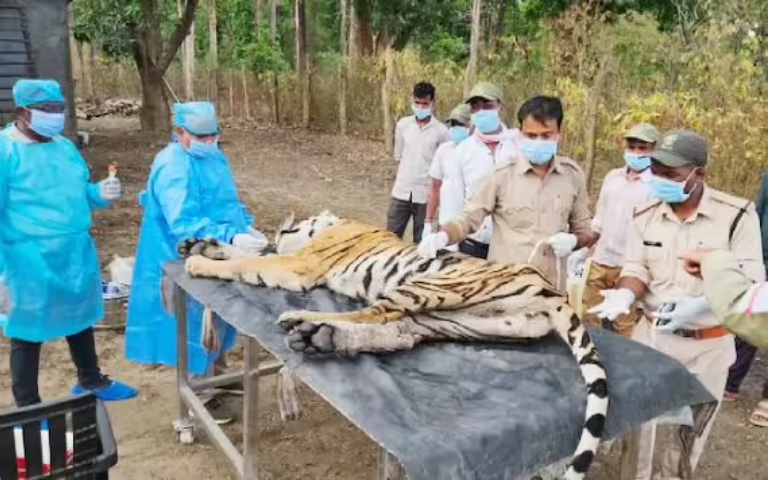
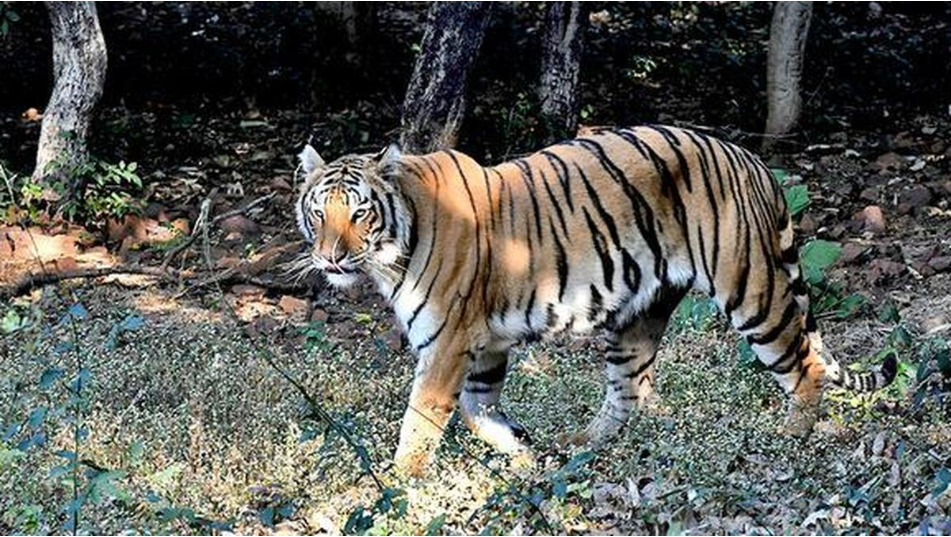
A tigress and her four cubs have died in Kanha Tiger Reserve in a suspected outbreak of canine distemper virus (CDV), taking Madhya Pradesh’s tiger death toll to 30 in 2026, officials said.The tigress, identified as T-141 from the Sarhi range and estimated to be between eight and ten years old, had lost three cubs between April 21 and 25. As her condition worsened, forest officials shifted her and her last surviving cub aged around 15 to 18 months to a quarantine facility in Mukki for treatment. Both later succumbed.
According to media rpeorts, post-mortem examinations were conducted by expert veterinarians in line with protocols laid down by the National Tiger Conservation Authority and the office of the chief wildlife warden. Preliminary findings indicated lung infection as the immediate cause of death, while samples have been sent for laboratory analysis to confirm the presence of CDV.Officials stated the symptoms, including respiratory distress and evidence of starvation such as empty stomachs in the cubs, are consistent with canine distemper virus, a highly contagious disease that affects the respiratory, digestive and nervous systems of carnivores.
Deputy Director P K Verma said the possibility of CDV is being examined, with final confirmation pending laboratory results. Authorities suspect the infection may have spread after the tigress and her cubs fed on a contaminated carcass, potentially linked to an infected domestic or stray dog from outside the reserve.The suspected spillover from stray dog populations near forest boundaries has raised concerns among wildlife managers, as CDV is known to transmit from domestic dogs to wild carnivores, making the forest–village interface a critical risk zone.In response, forest authorities have launched an extensive containment and sanitisation drive across the reserve and adjoining buffer areas. Measures include disinfection of sensitive zones, intensified surveillance, and vaccination of stray and village dogs to break the chain of transmission.
Officials are also implementing mass vaccination campaigns, real-time disease monitoring, and coordinated action with veterinary and animal husbandry departments. Carcass disposal protocols have been tightened, and disinfectant points have been installed at key entry locations within the reserve.The response aligns with earlier advisories recommending immunisation buffers around tiger habitats to achieve herd immunity. Wildlife authorities note that vaccinating a significant proportion of local animal populations can help curb the spread of infections and protect vulnerable species.Awareness campaigns have also been rolled out in nearby villages, urging residents to report suspected cases and minimise interaction between domestic animals and wildlife, as efforts intensify to contain the outbreak.
(Asstt.Editor)



Related Posts
Yadav urges forest officers to balance development with conservation
Kuno welcomes 5 cheetah cubs, marking new Botswana lineage
Gujarat revamps Porbandar forest division for Barda lion rehabilitation