 Newsinc24 Team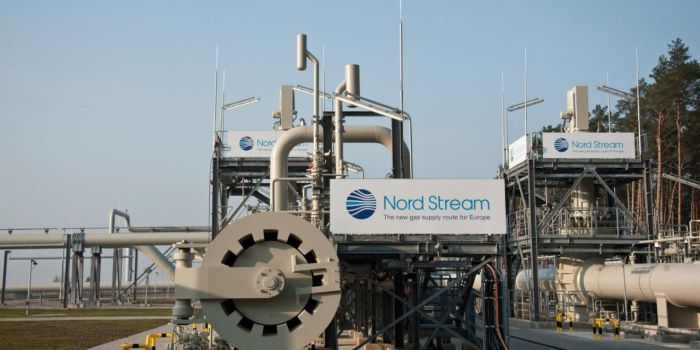
Russia has scrapped a Saturday deadline to resume gas flows via the Nord Stream 1 pipeline, one of the main supply routes to Europe, after saying it discovered a fault during maintenance, deepening Europe's difficulties in securing fuel for winter. Nord Stream 1, which runs under the Baltic Sea to supply Germany and others, had been due to resume operating after a three-day halt for maintenance on Sunday. Moscow has blamed sanctions, imposed by the West after the conflict between Russia and Ukraine, for hampering routine operations and maintenance of Nord Stream 1. Brussels says this is a pretext and Russia is using gas as an economic weapon to retaliate. European Union Commission chief Ursula von der Leyen said the bloc should impose a price cap on Russian pipeline gas to foil what she said were Russian President Vladimir Putin's attempts to manipulate the market. Gazprom, the state-controlled firm with a monopoly on Russian gas exports via pipeline, said it could no longer provide a timeframe for restarting deliveries after finding an oil leak that meant a pipeline turbine could not run safely. However, Siemens Energy, which normally services Nord Stream 1 turbines, said such a leak should not stop the pipeline from operating. It also said the Portovaya compressor station, where the leak was discovered, has other turbines for Nord Stream to keep operating. Such leaks do not normally affect the operation of a turbine and can be sealed on site. It is a routine procedure within the scope of maintenance work, the company said. European Commission spokesman Eric Mamer wrote on Twitter that Gazprom had acted under "fallacious pretences" to shut down Nord Stream 1.
Gazprom’s announcement this afternoon that it is once again shutting down NorthStream1 under fallacious pretenses is another confirmation of its unreliability as a supplier.
— Eric Mamer (@MamerEric) September 2, 2022
It’s also proof of Russia’s cynicism, as it prefers to flare gas instead of honoring contracts.
Brussels said this is a pretext and Russia is using gas as an economic weapon to retaliate. "This is part of Russia's psychological war against us," Michael Roth, chair of the German parliamentary foreign affairs committee, said. In a statement issued by Germany, which chairs the G7 this year, the ministers said they "confirm our joint political intention to finalise and implement a comprehensive prohibition of services which enable maritime transportation of Russian-origin crude oil and petroleum products globally". The statement did not give any proposed figure for a potential price cap and also did not specify when the G7 aims to finalise the plan.
Meanwhile, skyrocketing energy prices have fed inflation that is squeezing consumers and threatens to push Europe into recession. Wholesale gas prices have rocketed 400% since August 2021, hurting European industry and households as demand recovered from the COVID-19 pandemic and because of the Ukraine crisis. Reduced deliveries via Nord Stream, alongside lower gas flows via Ukraine, another major route, have already left European states struggling to refill storage tanks for winter and prompted many to trigger emergency plans that could lead to energy rationing and stoking concerns about recession.


Related Posts
Russia stood by India when much of the world backed Pakistan: EAM
Russia agrees to hire 70,000 Indian skilled workers this year
Russia backs India for UNSC bid, puts veto power against West