 Geetu Amarnani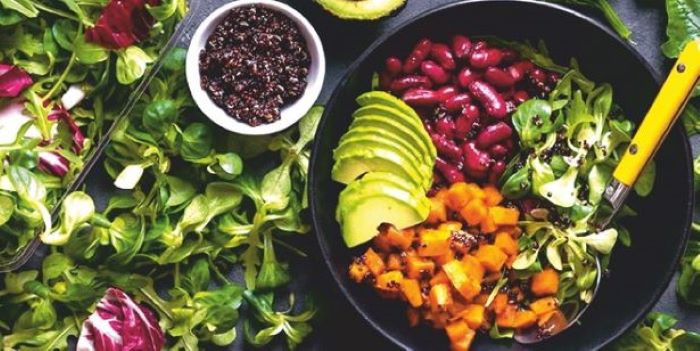
Pandemics like Covid 19 burst upon us suddenly shocking the whole world into taking immediate corrective steps. But the equally deadly “Silent epidemic “caused by our food habits goes largely ignored despite multiple alarm bells, Nutrient deficiencies and toxicity from unsafe and poor dietary habits today are linked to nearly all modern health conditions. Diabetes, heart disease and even Cancer are highly influenced by one's diet and the same can be said for allergies, auto immune disorders like thyroid, arthritis and many more. The double burden of under-nutrition coupled with incidence of obesity mainly among children is threatening our social and economic rights.
Every day you hear nutrition messages from the media and sort through information from advertisers who want you to buy their products. Supermarkets are filled with products labelled 'low fat' or 'zero fat' ' low carb' 'baked'. Some products are healthy, but others may be lacking in nutrients. Sometimes it's hard to sort it all out. Confused and frustrated to the point of rethinking this so-called healthy lifestyle.
A balanced approach to preparing, eating and digesting food, based on every individual's unique body mind type is the key to wellbeing and sound health. Eating well is one of the best ways you can take care of yourself and those who depend on you. What you eat makes a big difference in the way you look and feel. A healthy diet gives you energy to get through your busy day, supports your mood, helps you maintain your weight, and keeps you looking your best.
What you eat can also be a huge support as you go through different stages in your life. Whatever your age, committing to a healthy diet will help you look and feel you're best so that you stay on top of your commitments and enjoy life.
Healthy, balanced eating habits provide nutrients to your body. Nutrients give you energy and keep your heart beating, your brain active, and your muscles working. Nutrients help build and strengthen bones, muscles, and tendons and also regulate body processes, such as blood pressure.
Good Nutrition for all Ages
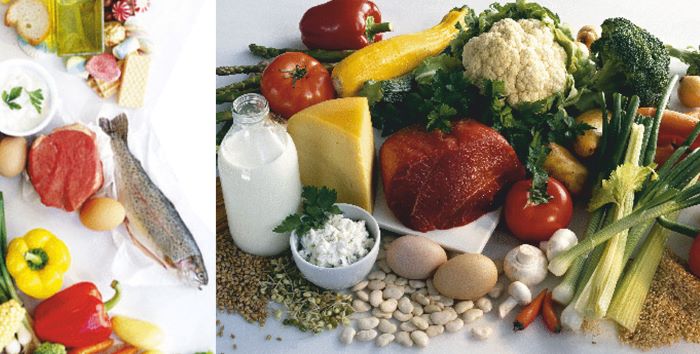
Good nutrition starts with the basics: a well-rounded diet consisting of whole grains, fresh fruits and vegetables, healthy fats, and lean sources of protein. These kinds of foods provide you with plenty of energy, the means for lifelong weight control, and the key ingredients for looking and feeling great at any age.
Top Diet and Nutrition Tips
Focus on whole, plant-based foods. Fill most of your plate with fruits and leafy green vegetables. Also include a variety of whole grains, beans, and legumes to give you filling fiber and keep you going throughout the day. Try to find minimally-processed or locally-grown foods whenever possible and make these foods the mainstay of your diet. Healthy fats boost your brain power and mood. Fats are essential to healthy brain function. They put you in a good mood and keep you mentally sharp. Fats are essential for vibrant, glowing skin, hair, and nails. A lack of healthy fats in your diet can lead to dull, flaky skin, brittle nails, and dry or easily-damaged hair. Dietary fat (such as the kind you get from fish and olive oil) is essential for good health as they regulate cholesterol levels in your body while promoting healthy cell function.
Monounsaturated, polyunsaturated and saturated fat all play a role in this aspect of good health. On the other hand, the additional fat you often find in fried food should be minimised as they are largely polyunsaturated fat derived from processed vegetable oils. Due to their low threshold for oxidisation, over consumption of polyunsaturated fat can lead to inflammatory conditions and the formation of free radicals. Artificial trans-fat is also a strict “no-no”. Sugar should also be limited – while the natural sugars present in fruits and whole grains are healthy, the refined sort you get with cakes and snacks can affect your weight and lead to metabolic diseases if consumed in excess.
·Because fat is so dense in calories, a little goes a long way in making you feel full. Small amounts of good fats like nuts or seeds make great satisfying snacks. You need fat in order to absorb certain vitamins. Many important vitamins—including vitamins A, D, E, and K—are fat-soluble, meaning you need fat in your system in order to absorb them. Eat enough protein. Protein is the primary nutrient responsible for building and repairing muscle tissue in the body. Include a variety of protein foods such as seafood, lean meats and poultry, eggs, legumes (beans and peas), soy products, nuts, and seeds.
Eat your breakfast. Get your metabolism going in the morning by eating a healthy breakfast. Studies show that people who eat breakfast tend to weigh less than those who skip it. A solid breakfast provides energy for the day. Cut back on alcohol and caffeine. Women who have more than two alcoholic drinks a day are at higher risk of osteoporosis. Caffeine consumption interferes with hormone levels and also increases the loss of calcium. Try to limit alcohol consumption to one glass a day and caffeine to one cup a day.
Eat regularly. Going too long between meals can make you feel irritable and tired, so aim to eat something at least every 3-4 hours. Support your body's natural cycle of energy by eating a substantial breakfast, a nutritious lunch, a snack around 4 (to compensate for the body's natural low point that occurs around 3 each afternoon), and a light early dinner.
Cut the junk. The ups and downs that come with eating sugary snacks and simple carbohydrates cause extreme swings in energy level and mood. Cutting out these foods can be tough, but if you can resist for several days, your cravings will subside.
·The human body is made up of two-thirds water. Water is an important nutrient to the body. Water lubricates joints, keeps skin supple, reduces wrinkles, and carries waste from the body effectively. Everyone should drink at least 8 eight glasses of water daily. Be active and maintain a healthy weight.
Healthy Eating Tip 1: Set Yourself up for Success
To set yourself up for success, think about planning a healthy diet as a number of small, manageable steps rather than one big drastic change. If you approach the changes gradually and with commitment, you will have a healthy diet sooner than you think.Simplify. Instead of being overly concerned with counting calories or measuring portion sizes, think of your diet in terms of color, variety and freshness—then it should be easier to make healthy choices. Focus on finding foods you love and easy recipes that incorporate a few fresh ingredients. Gradually, your diet will become healthier and more delicious.
Start slow and make changes to your eating habits over time. Trying to make your diet healthy overnight isn't realistic or smart. Changing everything at once usually leads to cheating or giving up on your new eating plan. Make small steps, like adding a salad (full of different color vegetables) to your diet once a day or switching from butter to olive oil when cooking. As your small changes become habit, you can continue to add more healthy choices to your diet.
Every change you make to improve your diet matters. You don't have to be perfect and you don't have to completely eliminate foods you enjoy to have a healthy diet. The long term goal is to feel good, have more energy and reduce the risk of diseases. Don't let your missteps derail you—every healthy food choice you make counts.
Think of Exercise as a Food Group in Your Diet.
Find something active that you like to do and add it to your day, just like you would add healthy greens, blueberries or salmon. The benefits of lifelong exercise are abundant and regular exercise may even motivate you to make healthy food choices a habit.
Healthy Eating Tip 2: Moderation is the Key
People often think of healthy eating as an all or nothing proposition, but a key foundation for any healthy diet is moderation. Despite what certain fad diets would have you believe, we all need a balance of carbohydrates, protein, fat, fiber, vitamins, and minerals to sustain a healthy body.
Try not to think of certain foods as “off limits.” When you ban certain foods or food groups, it is natural to want those foods more, and then feel like a failure if you give in to temptation. If you are drawn towards sweet, salty or unhealthy foods, start by reducing portion sizes and not eating them as often. Later you may find yourself craving them less or thinking of them as only occasional indulgences.
Think smaller portions. Serving sizes have ballooned recently, particularly in restaurants. When dining out, choose a starter instead of an entrée, split a dish with a friend, and don't order supersized anything. At home, use smaller plates, think about serving sizes in realistic terms and start small.
Healthy Eating Tip 3: It's not just What you Eat, it's How You Eat
Healthy eating is about more than the food on your plate—it is also about how you think about food. Healthy eating habits can be learned and it is important to slow down and think about food as nourishment rather than just something to gulp down in between meetings or on the way to pick up the kids.
Eat with others whenever possible. Eating with other people has numerous social and emotional benefits—particularly for children—and allows you to model healthy eating habits. Eating in front of the TV or computer often leads to mindless overeating.
Take time to chew your food and enjoy mealtimes. Chew your food slowly, savoring every bite. We tend to rush though our meals, forgetting to actually taste the flavors and feel the textures of what is in our mouths. Reconnect with the joy of eating.
Listen to your body. Ask yourself if you are really hungry, or have a glass of water to see if you are thirsty instead of hungry. During a meal, stop eating before you feel full. It actually takes a few minutes for your brain to tell your body that it has had enough food, so eat slowly.
Eat breakfast, and eat smaller meals throughout the day. A healthy breakfast can jumpstart your metabolism, and eating small, healthy meals throughout the day (rather than the standard three large meals) keeps your energy up and your metabolism going.
YOUR HAPPINESS IS THE REFLECTION OF YOUR HEALTH.
(Writer is a Nutritionist & Lifestyle Management Consultant}
(This story has been published under arrangement from Better Kitchen magazine)
















Related Items
Rajasthan HC flags Gen Z, Alpha issues, bans junk food near schools
Goyal eyes new avenues for Indian agri-food exports to Singapore
India's retail inflation rises to 4.45% in July on food prices