 Newsinc24 Team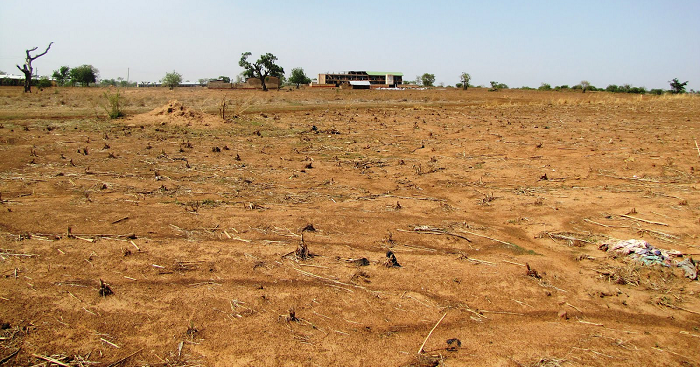
Climate change, overuse and conversion for agriculture, cities and infrastructure mean that one fifth of the planet’s land area is degraded. This damage, which also drives drought and desertification, harms the livelihoods of almost half the planet’s population. However, as much as one billion hectares can be restored over the next 10 years if there is political will. The world leaders set the direction for the coming decade at the at a High-Level Dialogue on Desertification, Land Degradation and Drought convened by the President of the General Assembly, Volkan Bozkir.
“We are facing a triple planetary crises of climate change, biodiversity loss and pollution, and land is at the centre of all three,” said UN Deputy Secretary General, Amina J. Mohammed at the meeting. She laid out four priorities for the coming decade: Raising ambition on land restoration, including aiming to end illegal deforestation; investing in land-based solutions to sustain COVID-19 recovery efforts and tackle the climate crisis. This is possible while creating strong economic returns; getting the financing right to scale-up land restoration and translate commitments into action; and measure our land resources and ecosystems to value them so that natural capital – our land, forests, wetlands and other ecosystems -- are recognized in economic reporting and that our natural assets are maintained like our economic assets, Ms Mohammed said.
Executive Secretary of the UN Convention to Combat Desertification (UNCCD), Ibrahim Thiaw said that put simply, a land-centred approach to COVID-19 recovery can change the world, “So far, the world's largest economies have already spent USD 16 trillion in post-covid recovery efforts. Investing a fifth of that amount, collectively, per year, could shift the world’s economies to a sustainability trajectory. Within a decade, the global economy could create close to 400 million new green jobs, generating over USD 10 trillion in annual business value.”
The meeting comes against a backdrop of increasing concern about land loss and soil degradation. A report released in early June by PBL Netherlands Environmental Assessment Agency draws up a stark picture if urgent change to current land-use policies is not undertaken. However, through a combination of restoration and protection, an improvement in land management using known practices with proven results would enable the world to restore more than 5 billion hectares of land, leading to increased crop yields, improved water-holding capacity of soil and a significant reduction in the release of greenhouse gas emissions and increased carbon storage. It would also reduce loss of biodiversity, and overall increase income for farmers.













Related Items
Credibility crisis biggest challenge in era of AI, deepfakes: Scindia
'Mere speculation', Cong denies Karnataka CM change after Delhi talks
Won't allow unnatural demographic change in India: Amit Shah