 Newsinc24 Team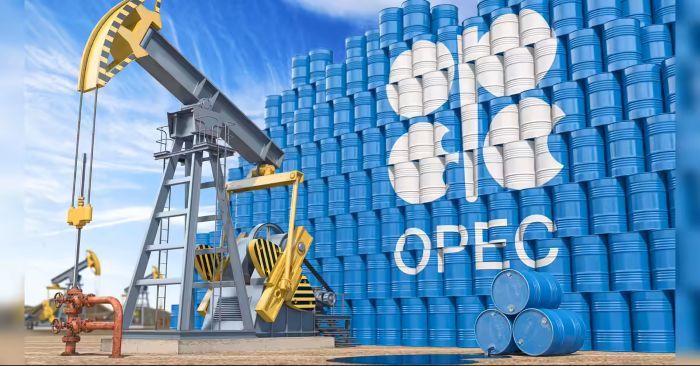
The OPEC+ alliance on Sunday approved a fourth consecutive increase in oil production targets, even as disruptions caused by the closure of the Strait of Hormuz continue to constrain exports from several key producers and fuel concerns over global energy supplies.The group, comprising the Organization of the Petroleum Exporting Countries (OPEC) and allies led by Russia, agreed to raise collective output quotas by 188,000 barrels per day (bpd) from July. The increase matches the June adjustment and follows earlier hikes in April and May as part of the gradual rollback of production cuts introduced in 2023.
The decision comes amid an unprecedented supply disruption triggered by the conflict between the United States and Iran, which has significantly reduced oil flows through the Strait of Hormuz, a critical route for global crude shipments. Major Gulf producers, including Saudi Arabia, have struggled to fully meet customer demand since the end of February due to export constraints.
Seven core OPEC+ members — Saudi Arabia, Iraq, Kuwait, Algeria, Kazakhstan, Russia and Oman — have collectively raised output targets by nearly 600,000 bpd between April and June. However, actual production has fallen sharply as export bottlenecks persist.According to OPEC data, the group's crude production averaged 33.19 million bpd in April, down substantially from 42.77 million bpd recorded in February, highlighting the widening gap between production quotas and actual supply.
Under the latest agreement, Iraq's production quota will increase by 26,000 bpd from July, according to Iraq's oil ministry.Market analysts noted that the latest quota increase is unlikely to have an immediate impact on global supplies while the Strait of Hormuz remains closed."An OPEC+ production increase means very little while the Strait of Hormuz remains closed," said Jorge Leon, an analyst at Rystad Energy and a former OPEC official.He added that once shipping through the strategic waterway resumes, markets could quickly shift from concerns over shortages to fears of oversupply as additional OPEC+ barrels return.
Oil prices have remained volatile since the outbreak of the conflict. Brent crude, which traded near $72 a barrel before hostilities began, recently eased to around $93 a barrel after peaking higher during the supply crisis, as traders grew more confident that a broader escalation in tensions was becoming less likely.The latest production increase forms part of OPEC+'s plan to unwind a 1.65 million bpd voluntary production cut agreed in 2023. Following the July adjustment, the participating countries will have approximately 567,000 bpd of the original cut left to restore, according to Reuters calculations.
If the alliance continues with monthly increases of around 188,000 bpd in August and September, the remaining voluntary cuts could be fully reversed by the end of the third quarter.According to agency reports, separately, all OPEC+ ministers met on Sunday and decided to maintain the group's broader production policy through the end of 2026, leaving existing long-term output targets unchanged.















Related Items
Sensex down 307 pts, Nifty below 24,100 amid higher crude prices
India lifts four year wheat export ban to boost farmers’ earnings
India’s FTAs to unlock $15tn export potential,at 75% global trade