 Ira Singh
The Central Government's ambitious ‘One District, One Product (ODOP)' initiative has emerged as a lifeline for Gujarat’s long-forgotten arts and crafts. The initiative, aimed at promoting local artisans and traditional industries, has breathed new life into the state's cultural heritage while providing sustainable livelihoods for countless artisans.Gujarat, renowned for its rich cultural tapestry and artistic heritage, has seen several of its traditional crafts facing decline due to changing market dynamics and modernization. However, the ODOP scheme, launched as a part of the government's Make in India campaign, has set out to reverse this trend by focusing on identifying one unique product from each district and empowering local artisans to develop, market, and sell their creations.
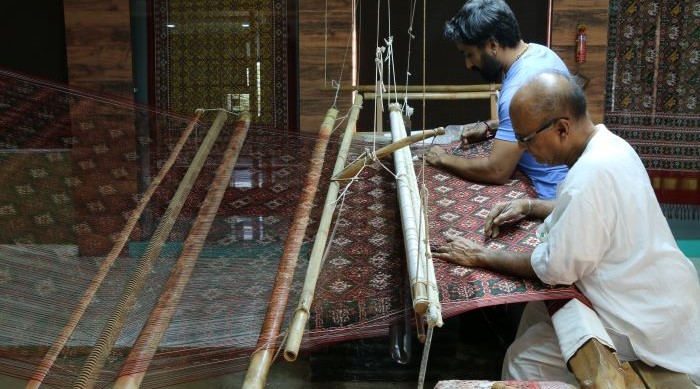
One such success story comes from the heart of Gujarat, where the ancient craft of Patola weaving was once on the brink of extinction. The intricate art of weaving Patola sarees, known for their vibrant colors and complex geometric patterns, was passed down through generations. However, the craft had been struggling due to lack of recognition and increased competition from machine-made textiles. On the National Handloom Day,The State Government has taken a slew of measures to promote the art, craft and handicrafts of Gujarat.
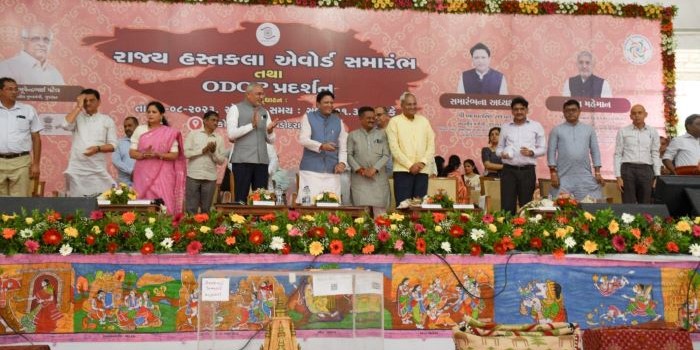
The ODOP initiative is aimed at fostering balanced regional development across all districts of the country, enabling holistic socio-economic growth across all regions. The Government of Gujarat implemented ODOP scheme in 2023-24 to promote its indigenous products at the international level. Chief Minister Bhupendra Patel has approved a grant of Rs 58 crore under this scheme. Secretary and Commissioner, Cottage and Village Industries have been appointed as nodal agencies for the implementation of this scheme. The Gujarat State Handicrafts and Handicrafts Development Corporation (GSHHDC) has started the implementation of this scheme.Providing details on this, Managing Director of GSHHCD Lalit Narayan Sandu said, “The focus is on specific products under ODOP in Gujarat, so as to promote it in the market. For example: Sujani Handloom, Bandhani of Jamnagar and Patola of Patan.” He also said that an onboarding drive has also been conducted for these products on GeM (Government e-Marketplace).
Under the ODOP initiative, the Patan district of Gujarat was identified as a hub for reviving the Patola tradition. Artisans were provided with training, financial support, and marketing assistance to enhance their skills and reach a wider audience. As a result, Patola sarees have once again captured the attention of fashion enthusiasts, both nationally and internationally. The weavers' income has increased significantly, transforming their lives and preserving a cultural legacy.
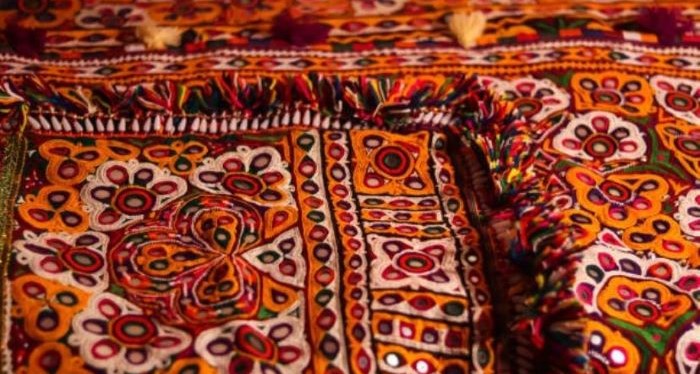
Similarly, Kutch, a region renowned for its exquisite handcrafted textiles and embroidery, has also seen a revival of its traditional crafts through the ODOP program. Local artisans, skilled in techniques like bandhani tie-dyeing and mirror work, have been empowered to innovate and cater to contemporary tastes while preserving the essence of their craft. The ODOP initiative has not only rejuvenated Gujarat’s art forms but has also had a cascading effect on the overall economy of the state. By providing a platform for local products to gain recognition and access wider markets, the initiative has generated employment opportunities and boosted the income of rural artisans.
(Ira Singh is the Asstt Editor)









Related Items
Vibrant Gujarat 2027 curtain raiser focuses on investment, growth
Set goal for society, not yourself: HM to Gujarat Vidyapith graduates
Gujarat seeks global tech, manufacturing ties,during CM Patel's US Visit