 Ira Singh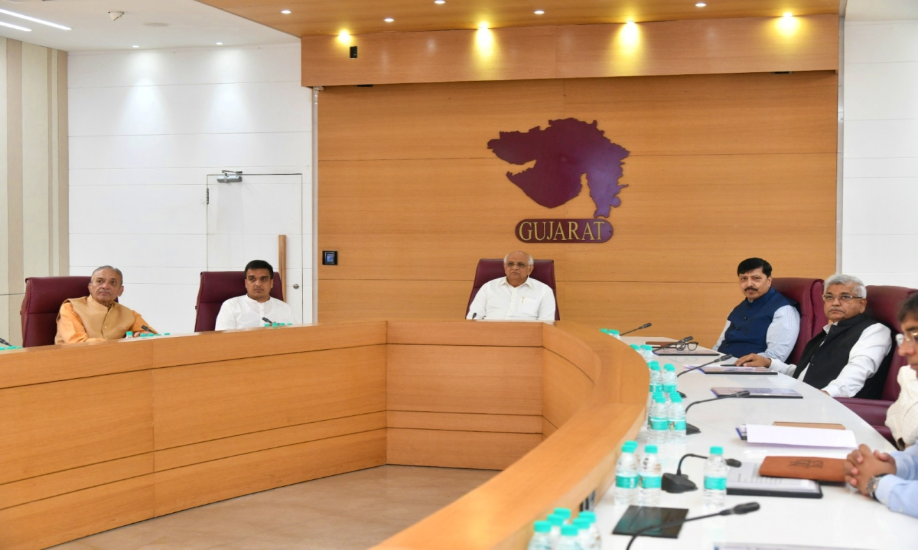
With an emphasis on economic resilience and inclusive growth, Gujarat is intensifying its focus on reducing import dependence in the fertiliser sector while accelerating tourism development in tribal regions, with both themes taking centre stage at the Vibrant Gujarat Regional Conference (VGRC) held in Surat.A series of policy dialogues and industry discussions at the conference underscored the state’s push toward self-reliance in critical agricultural inputs and diversification of its tourism portfolio through targeted investments in underexplored regions.
At Auro University, a national-level panel discussion on “Strategies to achieve self-reliance through import substitution in the fertiliser sector” brought together over 100 participants, including industry experts, policymakers, academicians, and stakeholders from the agriculture sector. The session was jointly organised by the state’s Energy and Petrochemicals Department and VGRC.Deliberations highlighted India’s continued reliance on imports for key fertiliser inputs such as potash and phosphatic raw materials, despite being one of the world’s largest fertiliser consumers. Experts stressed the need to expand domestic manufacturing capacity for urea, diammonium phosphate (DAP), and complex fertilisers, alongside promoting alternatives like nano urea, bio-fertilisers, and organic inputs.
Participants also flagged the impact of geopolitical uncertainties, supply chain disruptions, and volatile global prices on fertiliser availability, noting that these factors have heightened the urgency for import substitution. Technology adoption and policy support were identified as critical enablers for ensuring long-term sustainability and affordability for farmers.The session culminated with a consensus that coordinated efforts between government agencies, industry players, and research institutions would be key to achieving a stable fertiliser ecosystem and strengthening India’s agricultural resilience.
In a parallel session, the state government outlined its strategy to boost tourism infrastructure in tribal and rural regions, with a focus on eco-tourism and cultural heritage promotion.
Addressing the seminar, Gujarat Tourism Minister Jayram Gamit highlighted the growing tourism potential of South Gujarat’s tribal belts, particularly Saputara. Tourist arrivals in Saputara rose from 1.13 lakh in FY24 to 1.19 lakh in FY26, reflecting increasing interest in nature-based destinations.
The minister also pointed to emerging opportunities in wedding tourism across regions such as Narmada, Saputara, and Dang, as the state seeks to tap niche segments within the broader tourism market.He cited ongoing projects led by the Tourism Corporation of Gujarat Limited, including a Rs9.85 crore initiative to develop Sunrise Point in Saputara. For FY27, the state has earmarked around Rs220 crore to enhance tourism infrastructure in tribal areas.
Officials said the broader strategy focuses on building eco-tourism circuits, promoting rural experiences, and showcasing tribal heritage to attract both domestic and international visitors.
The session also featured cultural presentations from South Gujarat, including displays of Warli art, highlighting the region’s rich indigenous traditions. Representatives from Gujarat Tourism and the Gujarat Tribal Research and Training Society, along with other stakeholders, discussed frameworks for ensuring sustainable and responsible tourism development in tribal regions.
(State Correspondent)

_(5).jpg)







Related Items
Nearly 25 children dead in Gujarat as Chandipura virus returns
MP CM Dr.Mohan Yadav woos Gujarat Investors at Ahmedabad meet
NDA MPs slam Rahul Gandhi over police action on J'khand protesters