 Newsinc24 Team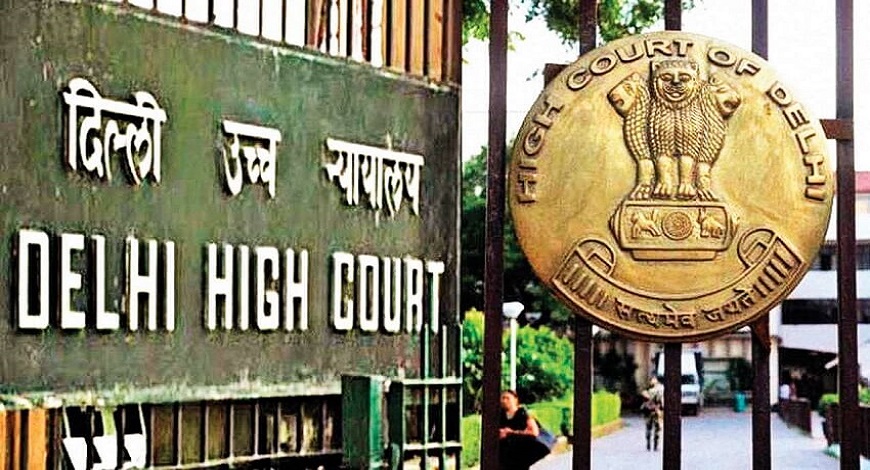
The union government has opposed the PILs related to “marital rape”, the Centre has told the Delhi Hingh Court that India should move cautiously and not follow other countries blindly on the issue. Just because other countries, mostly western, have criminalised marital rape does not necessarily mean India should follow them blindly, Centre said. The Centre in its written submissions has told the high court that “India has its own unique problems due to various factors like literacy, lack of financial empowerment of the majority of females, mindset of the society, vast diversity, poverty, etc. and these should be considered carefully before criminalising marital rape”.
Reiterating its earlier stand of 2017, the union government has said that there is a vast diversity in the cultures of Indian states and it is necessary to implead the state governments in the matter to know their opinion to avoid any complications at a later stage. Even in its 172nd report titled Review of Rape Laws, the Law Commission has examined the matter and did not recommend the criminalisation of marital rape, it said. Deletion of exception of Section 375 would make marital rape cognizable, non- bailable and non-compoundable offence. This would stop the chances of settlement between husband and wife which is possible under section 498A Indian Penal Code (domestic violence),” the union government said.
The government also said that the high court does not have the power to legislate in the issue, adding that the courts cannot usurp the power of the legislature. “Removal of exception 2 of Section 375 IPC which consciously would be akin to legislating a separate offence which can be done only by the legislature as per the doctrine separation of power prescribed in the Constitution of India,” the submissions read. The written submissions were filed on January 12 in response to a bunch of PILs filed in 2015 by NGO RIT Foundation, All India Democratic Women’s Association and two individuals who have sought to strike down the exception in the Indian rape laws on the grounds that it discriminated against married women who were sexually assaulted by their husbands. Earlier, the Delhi High Court on Monday told the Centre that the government may have its own approach but the court cannot keep the matter hanging beyond a particular period. The division bench of Justice Rajiv Shakdher and Justice C Hari Shankar, granted 10 days time to the government to present a fresh response to the case pending since 2015.














Related Items
High-Powered expert panel to reassess definition of Aravalli Hills
India's services sector growth hits six month high in May
India's manufacturing growth hits 3 month high in May