 Ira Singh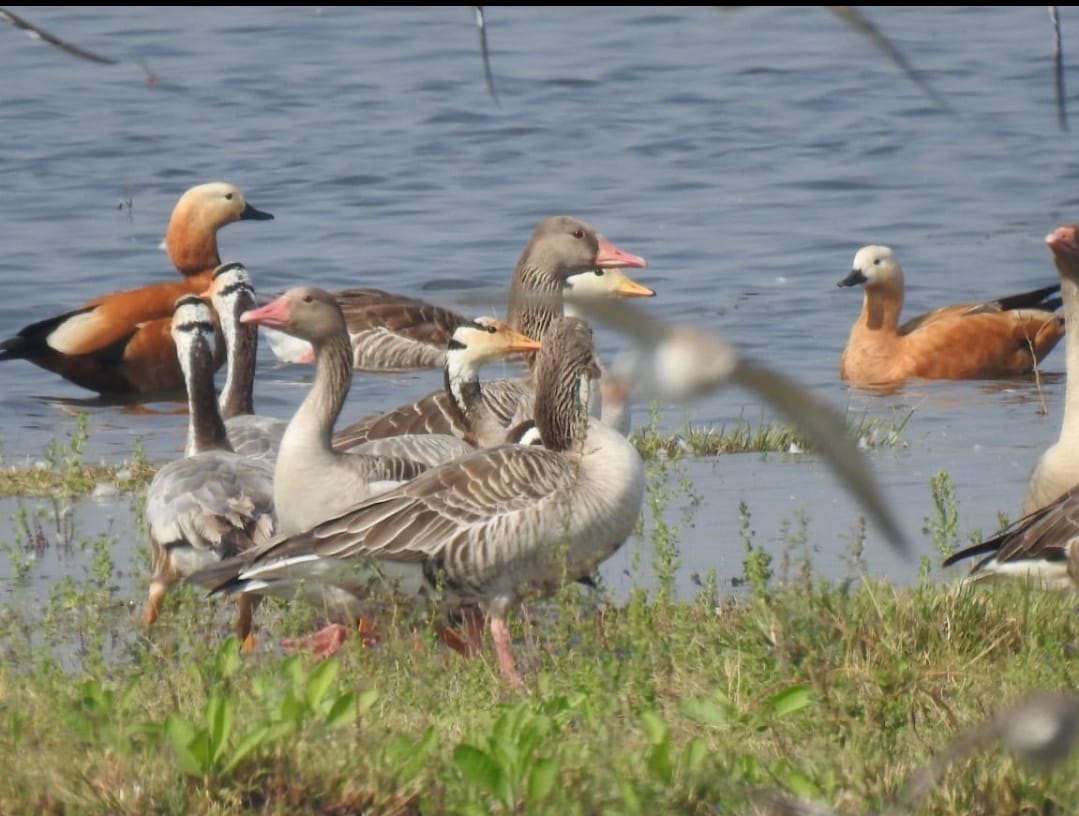
Gujarat has once again reaffirmed its status as a haven for avifauna, with more than 8.33 lakh migratory and local birds recorded across various water bodies and wetland areas of the state during 2024–25. The impressive numbers underline the state’s growing importance on the global migratory bird map and reflect sustained conservation efforts over the past decade.Among the major birding sites, Khijadiya Bird Sanctuary located 12km from Jamnagar on the highway to Rajkot recorded over three lakh birds belonging to 334 species. Nal and Thol bird sanctuaries together hosted approximately 4.67 lakh birds, while the Vadhvana Wetland area recorded more than 54,000 birds. In the Kutch region, around 2,564 birds were observed in 2025, further strengthening Gujarat’s reputation as a paradise for birdlife.Globally, around 9,000 bird species exist, of which nearly 1,200 are found in India. More than 400 of these are migratory species that travel from regions such as Siberia, Eastern Europe, and North and Central Asia to India, including Gujarat, during winter.
Officials attribute Gujarat’s success in attracting migratory birds to long-term conservation policies. Since Prime Minister Narendra Modi’s tenure as Gujarat’s chief minister, strict laws and schemes for wildlife and bird conservation have been implemented. These initiatives are being actively continued under Chief Minister Bhupendra Patel. Under the guidance of Forest and Environment Minister Arjun Modhwadia and Minister of State Pravin Mali, government agencies, along with wildlife and bird conservation organisations, have undertaken result-oriented measures to protect habitats.
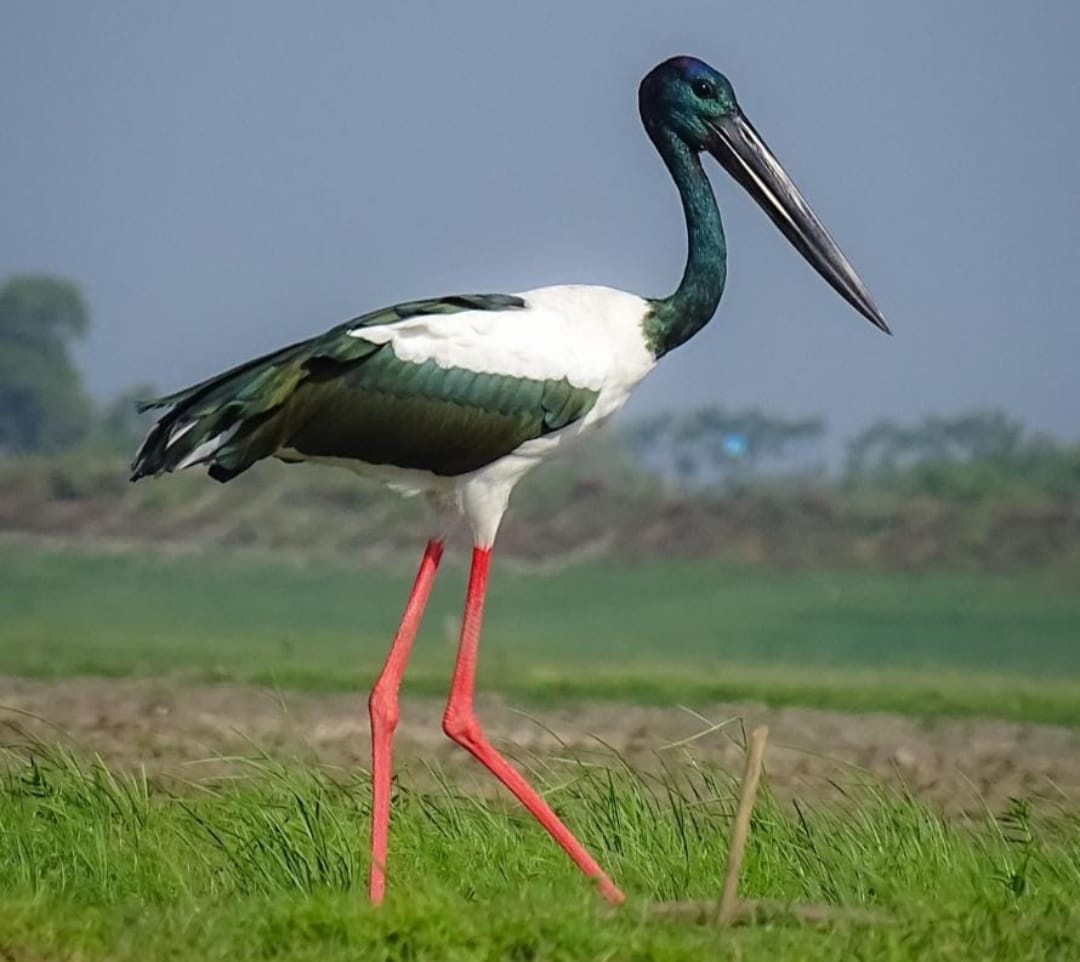
According to official data, Khijadiya Bird Sanctuary alone recorded an estimated 3,09,062 birds of 334 species last year. The sanctuary is home to species such as the Black-necked Stork, Bar-headed Goose, Flamingo, Spoonbill, Pintail, Sandpiper, Ibis, Gadwall, Mallard, Western Marsh Harrier and several others. The state’s national bird population has also seen healthy numbers, with the peacock count crossing 2.85 lakh as per the 2023 estimate.Nal Lake Bird Sanctuary, declared in 1969 and spread over 120.82 square kilometres, was designated a Ramsar site in 2012. Located along the Central Asian Flyway, Nal Lake records as many as 329 migratory bird species. Thol Bird Sanctuary, meanwhile, attracts ducks, coots, herons, spoonbills and several other migratory birds each winter.At the Vadhvana Wetland, birds such as Bar-headed Goose, Brahminy Duck, Red-crested Pochard, Northern Pintail, Glossy Ibis and rare species like the Black-necked Stork have been recorded. Predator species such as the Eurasian Marsh Harrier are also found in the region.
Kutch plays a critical role as a ‘refuelling station’ for passage migrants travelling from Central and Western Asia to Africa. Under the Passage Migrant Count — a citizen science initiative — a large-scale survey was conducted from September 19 to 21, 2025, covering nearly 10,000 sq km of the region. Over 200 bird enthusiasts from 17 states participated, documenting more than 250 bird species through the eBird platform. The 2025 survey recorded a notable rise in migratory species, including 1,577 European Rollers and 313 Spotted Flycatchers.Beyond habitat protection, Gujarat has also focused on bird welfare. The annual ‘Karuna Abhiyan’, launched during Uttarayan since 2017, provides treatment to birds injured by kite strings. During Uttarayan 2025, around 17,000 injured birds were rescued and rehabilitated. National Bird Day on January 5 is also observed with awareness programmes across the state.With sustained conservation efforts, ample wetland habitats and active public participation, Gujarat continues to offer safe shelter to migratory birds each winter — a source of pride for the state and its people.
(State Correspondent)
















Related Items
Telangana municipal polls: Congress headed for a clean sweep
US headed for collapse, soldier who blew up Cybertruck left note
World headed for 2.7° C warming, Finance deal key: UN Climate Head