 Ira Singh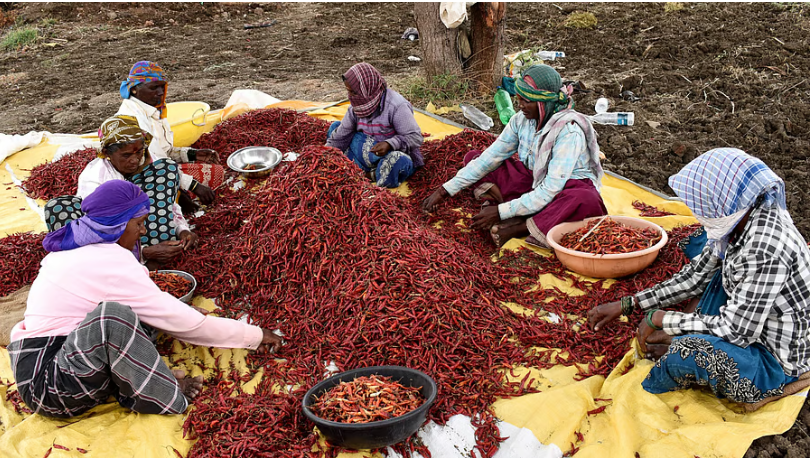
India's spice exports declined by 33 per cent in 2025-26 as the prolonged conflict in West Asia and the ongoing Russia-Ukraine war disrupted key shipping routes, significantly affecting trade with major overseas markets, according to data from the Spices Board.According to agency reports, the disruptions prevented the export of nearly 77,117 tonnes of spices, including pepper, cumin, turmeric, chilli and cardamom, to Europe, West Asia and several countries of the Commonwealth of Independent States (CIS), resulting in an estimated foreign exchange loss of Rs 854.37 crore during the fiscal year.
Data showed that spice shipments fell sharply from 2.34 lakh tonnes in March 2025 to 1.57 lakh tonnes in March 2026, reflecting the impact of geopolitical tensions on global trade and logistics.The decline also weighed on export earnings. India missed out on nearly Rs 635.69 crore in foreign exchange inflows in March 2026 alone, according to the figures.
India remains the world's largest producer and exporter of spices, exporting around 17.5 lakh tonnes annually to nearly 180 countries. The country ships more than 225 varieties of spices and spice products worldwide.However, export earnings from the sector slipped to Rs 39,140 crore in 2025-26 from Rs 39,994.48 crore in the previous fiscal year, highlighting the impact of disruptions in maritime trade routes.The top importers of Indian spices include China, United States, United Arab Emirates, Bangladesh, Thailand, Malaysia, United Kingdom, Saudi Arabia, Indonesia and Germany.
Industry participants said the impact has been particularly severe for exporters dependent on West Asian and European markets.Rajendra Joshi, Chief Executive Officer of Sirsi-based Kadamba Marketing Souharda Sahakari Niyamita (KMSSN), stated domestic consumption accounts for nearly 70 per cent of black pepper production, while the remaining 30 per cent is exported."Europe and the Middle East are the biggest markets for black pepper. The conflict has resulted in nearly 20-25 per cent of the produce not being exported," he said, adding that black pepper prices have remained largely stagnant despite expectations of a rise of around Rs 5,000 per tonne this year.
Suresh L. Melgiri, a chilli exporter based in Byadagi, said chilli exports have been adversely affected, with shipments to the UAE facing significant disruptions.The closure of the Strait of Hormuz and instability across key maritime corridors have increased freight costs, delayed shipments and disrupted container movement, affecting exporters across the sector.According to B N Jha,Director (Marketing), Spices Board India, the Spices Board has initiated facilitation measures for re-stuffing export consignments that were returned to India because of disruptions in shipping routes following the closure of the Strait of Hormuz.He added that the Union government has approved a targeted intervention programme named RELIEF (Resilience & Logistics Intervention for Export Facilitation) under the Export Promotion Mission to support exporters affected by extraordinary freight costs, higher insurance premiums and war-related export risks.The initiative aims to provide relief to exporters facing logistical challenges arising from disruptions in the West Asia maritime corridor and help sustain India's spice exports amid continued geopolitical uncertainty.
(Business Correspondent)

Related Posts
Apple Pay launches in India with Axis Bank card support
India, Qatar agree to accelerate FTA, bilateral investment treaty talks
India Women's compound Archery team wins Gold with world record