 Ira Singh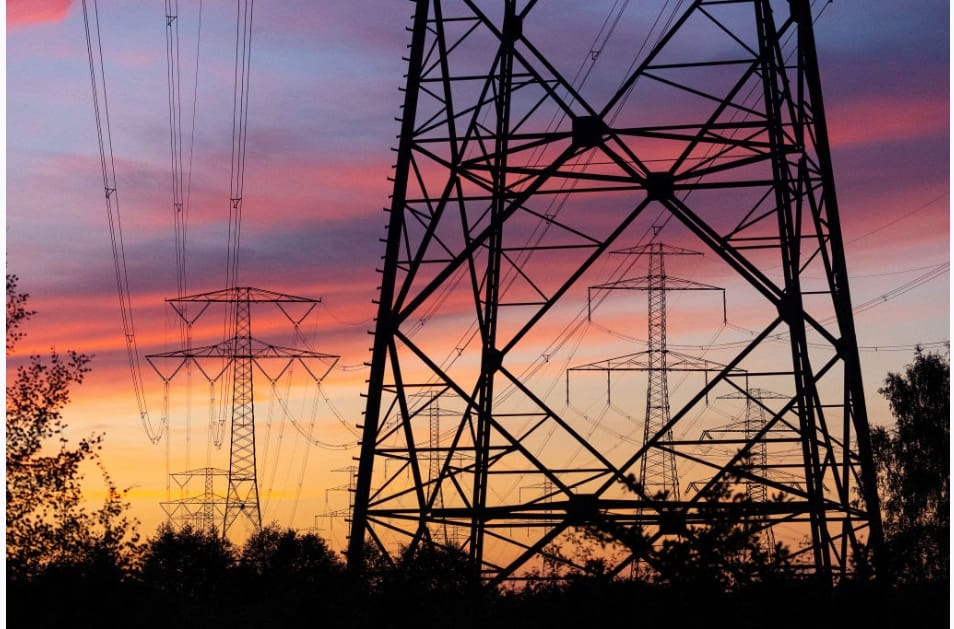
Global experience shows that the power sector is the most critical segment to be included in any emissions trading system (ETS) due to its large potential for reducing greenhouse gas emissions. In this context, a new report has underscored the importance of integrating India’s Carbon Credit Trading Scheme (CCTS) with the power market to support the country’s climate commitments.
The Asia Society Policy Institute (ASPI), in a report titled Effective Interaction between India’s Carbon Credit Trading Scheme and the Power Market, authored by Alistair Ritchie, Prabhajit Kumar Sarkar, Mayukh Mukherjee and Lucia Lavric, said that effective integration of India’s Carbon Credit Trading Scheme with the power market is critical to achieving the country’s climate goals.The report examines how an effective interaction between the CCTS and the power market can help India achieve its Nationally Determined Contribution (NDC) targets and its long-term net zero goal. The authors note that expanding the CCTS to include the power sector is a key priority, given the sector’s central role in emissions reduction.
An ETS, the report explains, can drive emission reductions in the power sector by encouraging a shift away from coal towards lower-carbon fuels and renewable energy, while also promoting more efficient electricity consumption across the economy. Another important benefit highlighted is the auctioning of allowances, which can generate substantial revenues to support clean energy investments and industrial decarbonisation.A key finding of the report is that India already has a sufficient regulatory foundation to address CCTS-related carbon costs within the power market. However, the authors stress the need for a clear, consistent, and enabling regulatory framework to provide long-term certainty to power generation companies (Gencos), distribution companies (DISCOMs), and consumer groups on how these additional costs will be treated.
The report outlines specific options to ensure carbon costs are reflected in power station dispatch decisions, enabling a shift to a lower-carbon fuel mix. It also recommends mechanisms to allow these costs to be passed through by generating and distribution companies to retail electricity tariffs, which could help manage demand and prevent cost accumulation within the electricity system. Such measures would also facilitate the auctioning of allowances for the power sector, helping mobilise climate finance, as seen in leading ETSs globally.
At the same time, the report emphasises the importance of protecting vulnerable consumer groups from the impact of higher electricity tariffs arising from carbon cost pass-through.To achieve effective integration between the CCTS and the power market, the report proposes a detailed action plan and implementation roadmap. Key recommendations include the creation of a Forum of Regulators working group, targeted amendments to merit order dispatch and tariff regulations, and the adoption of other supportive policy measures.According to the authors, a well-designed interaction between the CCTS and the power market could play a decisive role in accelerating India’s clean energy transition while ensuring economic and social safeguards remain in place.
(Asstt.Editor)















Related Items
MSMEs remain resilient despite West Asia crisis: SIDBI
India clinch gold and silver at Asian Junior Weightlifting Championship
Vance dials PM Modi, discusses India-US ties