 Ira Singh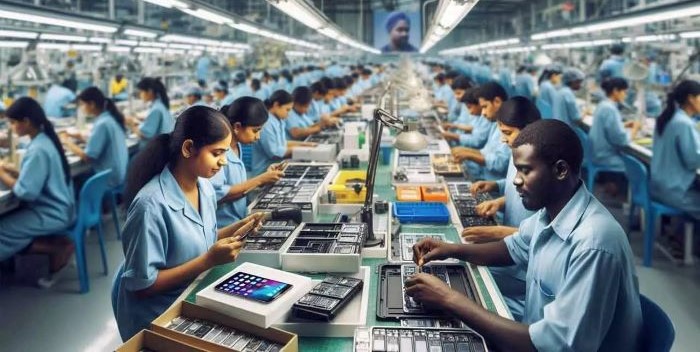
India's manufacturing industry growth slowed to an eight-month low in September, with demand and output moderating, according to a business survey.A slowdown in new orders and exports, combined with rising input costs, pushed the PMI down to 56.5 from August's 57.5, signaling weaker optimism and fewer employment opportunities.The survey also noted weaker price increases, despite rising input cost inflation, reflecting a softer inflationary environment.
Factory production growth, which has been slowing since June, likely dragged down the expansion rate in Asia's third-largest economy last quarter. India’s gross domestic product (GDP) grew by 6.7% in the April-June period, and this weakening trend in manufacturing could further impact overall growth,noted analysts.
According to the HSBC final India Manufacturing Purchasing Managers' Index (PMI), compiled by S&P Global, dropped to 56.5 in September from 57.5 in August, marking the lowest level since January. The reading, while slightly below the preliminary estimate of 56.7, remains above the 50-mark that separates growth from contraction, a position it has maintained since July 2021.
"Momentum in India's manufacturing sector softened in September from the very strong growth seen in the summer months," Pranjul Bhandari, Chief India Economist at HSBC, reportedly stated. According to information, new orders, a key indicator of demand, grew at their slowest pace since December, although they remained strong. Meanwhile, output fell to its lowest level in eight months, indicating a slowdown in production.
International demand suffered a bigger setback, with export growth declining to its weakest point in a year-and-a-half. Only 6% of firms reported an increase in overseas orders, marking a significant slowdown in global demand for Indian goods.As a result of these factors, business sentiment cooled slightly. The future output sub- index, which gauges optimism about production in the coming year, fell to its lowest level since April 2023, according to estimates. Employment generation also slowed, with hiring growth easing to a six-month low.
Although input cost inflation accelerated in September, price increases on products were at a five-month low, suggesting manufacturers faced challenges in passing on rising costs to consumers amid softer demand. "Input prices rose at a faster rate, while factory gate price inflation eased, putting additional pressure on manufacturers’ margins," noted Bhandari.
Despite the recent moderation in inflation, projections indicate that price pressures could increase in the coming months. The Reserve Bank of India’s inflation target remains at 4%, and the central bank is widely expected to maintain interest rates in October, with potential rate cuts anticipated by December. India's manufacturing sector continues to face headwinds, with rising input costs and softening demand creating challenges for sustained growth. As the global economic environment remains uncertain, the sector’s near-term outlook hinges on managing inflationary pressures and boosting external demand.
(Business Correspondent)

Related Posts
India targets 1 bn 5G users by 2030, up from 550 mn now: Scindia
India, Canada agree to boost security ties, extradition cooperation
‘Raised India to heavens’: Former Serbian President hails PM Modi