 Ira Singh
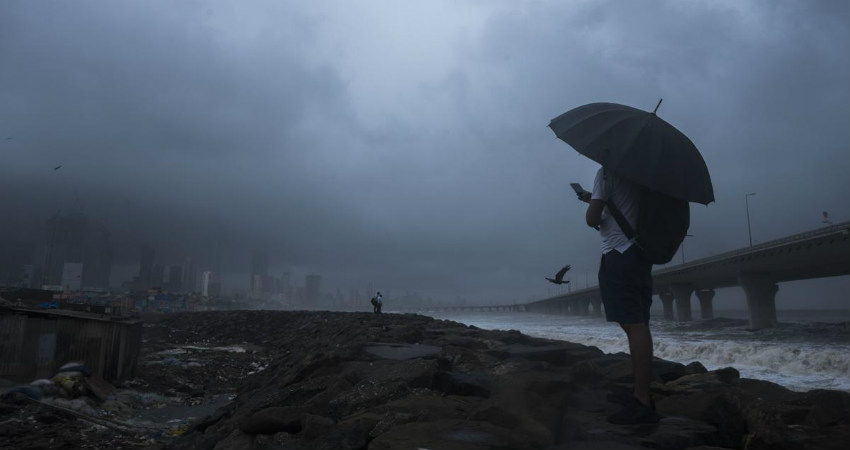
India will require over $2.4 trillion in investments by 2050 to develop climate-resilient urban infrastructure as its rapidly expanding cities face mounting risks from extreme weather events, the World Bank said on Tuesday.According to the report titled “Towards Resilient and Prosperous Cities in India”, prepared in collaboration with India’s urban development ministry, the country’s urban population is projected to nearly double from 480 million in 2020 to 951 million by 2050. This rapid growth, combined with erratic rainfall, heatwaves, and rising sea levels, is making Indian cities increasingly vulnerable to climate change impacts.
“Cities need to become more resilient if people living in those cities are going to be safe,” said Auguste Tano Kouame, World Bank Country Director for India, at the report’s launch.Without large-scale investments in housing, transport, water supply, and waste management systems, India could face escalating costs from climate-linked disasters. Urban flooding alone already causes an estimated $4 billion in annual losses, a figure projected to rise to $5 billion by 2030 and as much as $30 billion by 2070 without timely interventions.
The report estimates that based on conservative population growth, India’s climate-resilient infrastructure investment needs will rise to $10.9 trillion by 2070. Under moderate urbanization scenarios, the requirement could increase to $13.4 trillion by 2070.
According to information,currently, India spends about 0.7% of its GDP on urban infrastructure, significantly below global benchmarks. To meet future needs, the World Bank urged India to scale up public and private financing, enhance coordination between federal, state, and municipal governments, and introduce climate-linked fiscal transfers.The report further urged for greater private sector participation, particularly in energy-efficient water supply, sanitation, solid waste management, and green buildings. At present, private finance accounts for only 5% of urban infrastructure investment.“Timely actions can avert billions of annual damages and losses in flooding and extreme heat while investing in resilient and efficient municipal infrastructure and services,” the report noted .
(Business Correspondent)














Related Items
India, Bengal not safe until borders are secured: Amit Shah
India composite PMI rises to 54.6 in Aug from 52 month low: HSBC
India & Brazil sign MoU in ICTs on sidelines of BRICS track meeting