 Newsinc24 Team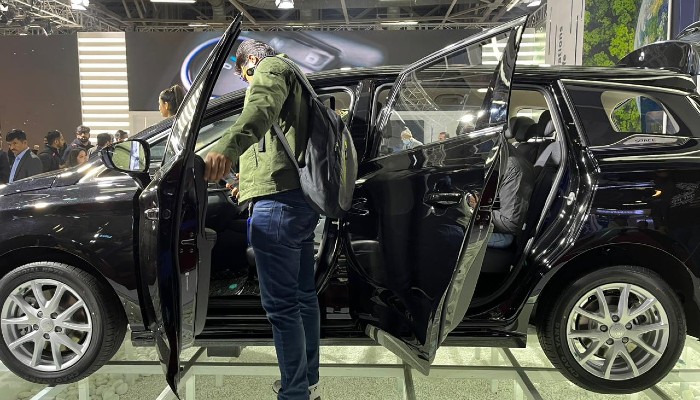
The Auto Expo got off to a rousing start in Delhi and Greater Noida's Expo Mart on Friday, with a special focus on electric vehicles (EVs). Most than 70 domestic and international automakers are taking part in the event that is being held after a gap of two years due to COVID-19.
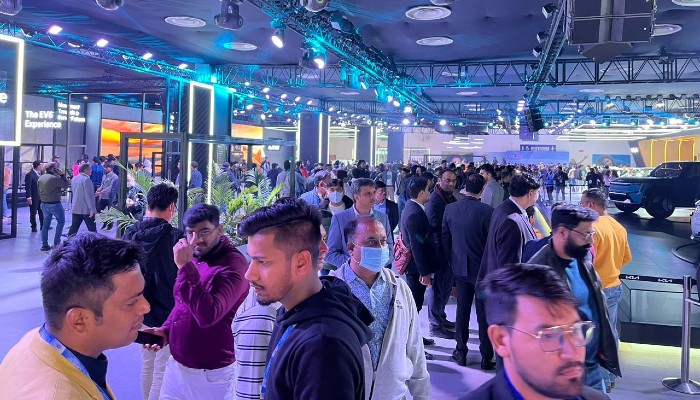
EVs are at the centrestage of this year's Auto Expo, as seen by the number of stalls displaying their future tech.
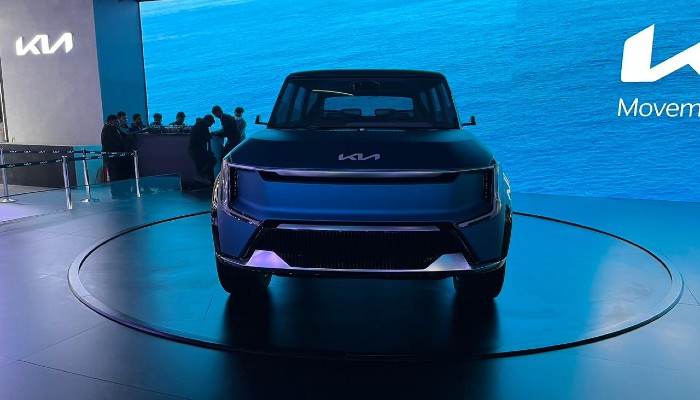
Kia, one of the leading automobile manufacturers, has displayed its latest electic car, which is attracting a number of visitors. Since it came to India in 2019, the Korean company has emerged as one of the top choices of consumers in the country.
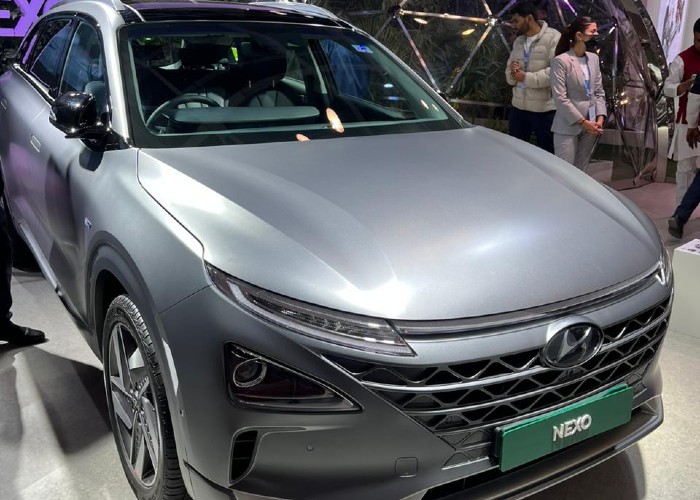
Hyundai, which has a standing of more than two decades in India, also presented its next generation electric vehicle Nexo. The Korean automaker has also built a studio and Meta-based virtual reality platform for the visitors to experience how technology can revolutionise driving in the coming years.

China's BYD also displayed some of its electric vehicles at its pavilion in the Auto Expo. The Atto 3, with a 60.48 KWh battery, can generate 201 BHP of power and 310 Nm of torque.

Bengaluru-based Indian electric vehicle manufacturer PRAVAIG's pavilion was also one of the most-visited at the expo where it has showcased the country’s first Electric Military Utility Vehicle - VEER. The vehicle has a military camouflage theme in order to provide visitors a glimpse of VEER in its operational mode. The company said it has been developed for handling most challenging terrain.
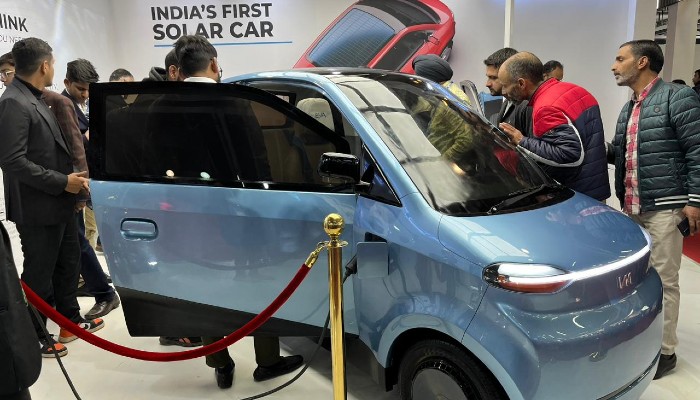
Another 'little surprise' that stood out was Eva, displayed as India's first solar car. Built by Pune-based automaker start-up Vayve Mobility, the car has space for two adults and a child. It is climate controlled, easy to manoeuvre and park, and convenient to charge. The solar cell is optional and gives additional charging on top of a battery pack.
According to the NHK World report, Suzuki Motor President Suzuki Toshihiro said electric vehicles have emerged as a viable option for vehicle owners and synthetic fuel and hydrogen are also new-age options in the automobile space. With India grappling with serious air pollution over the last few years, the Central government has planned to reduce vehicular pollution. As part of its plan of cutting down on vehicular pollution, the government will work on encouraging 30 per cent of vehicle owners to switch to EVs by 2030.

Related Posts
306 killed, 49 missing in ethnic violence since May 2023: Manipur HM
Sensex up 274 pts, Nifty at 24,317, auto stocks shine
India's June auto sales rise 21.8%, hit record high