 Ira Singh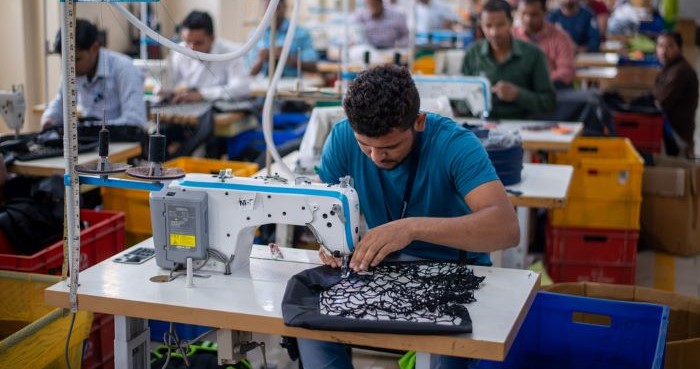
High interest rates and a significant concern for skilling efforts continue to challenge India’s Micro, Small, and Medium Enterprises (MSMEs), particularly those eyeing export markets. Experts stress the urgency of linking MSMEs with larger firms and fostering skill development to enhance their global competitiveness.
High Interest Rates: A Key Barrier to MSME Growth
India's repo rate of 6.5% significantly exceeded the 2.5%-3.5% rates seen in many Southeast Asian nations, creating a disadvantage for Indian MSMEs. According to Director General of Foreign Trade Santosh Kumar Sarangi, high borrowing costs and stringent collateral requirements deter MSMEs from accessing institutional finance, limiting their ability to compete internationally.
The Interest Equalisation Scheme (IES), introduced in 2015, has provided partial relief by subsidizing export credit for MSMEs. However, its impact is limited, with benefits capped at Rs.50 lakh annually per exporter. Sarangi emphasized the need for continued negotiations with the finance ministry to strengthen the scheme, which is set to expire on December 31, 2024,according to information.
"IES has played a crucial role in keeping MSMEs afloat, but high interest rates remain a major deterrent for their global integration," Sarangi reportedly noted.
Skilling and Technology Adoption: The Way Forward
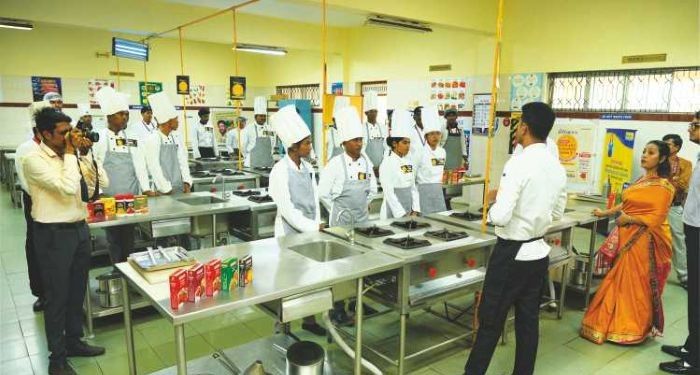
Amid challenges like labor shortages and automation, experts advocate for skilling initiatives through Industrial Training Institutes (ITIs) to prepare the workforce for emerging industries such as electronics and electric vehicles. Professor Suresh Babu, Director of the Madras Institute of Development Studies, highlighted the importance of upskilling to ensure MSMEs remain competitive.
“Geographical proximity to larger companies can help MSMEs leverage resources and technology. But skilling efforts must extend to women and align with industry needs to save costs for firms,” Babu reportedly stated.
M. Karthikeyan, President of the Coimbatore District Small Industries Association, urged MSMEs to focus on international and domestic certifications to boost credibility and marketability. "Certification adds value, and we are actively running programs to make students industry-ready," he reportedly stated.
Experts emphasize that a collaborative approach between the government and industry is crucial to addressing these challenges. Investment in skilling, technology adoption, and financial schemes tailored to MSMEs can help unlock their potential in global markets.
Despite obstacles, MSMEs remain a vital part of India’s economic fabric. Enhanced policies, coupled with targeted skilling and financial reforms, could enable them to navigate challenges and emerge stronger on the global stage.
(Business Correspondent)










Related Items
Bharat's diversity never a problem for unity: RSS Chief
India’s jobs crisis is not a skills problem, It is a trust deficit
World 'extremely turbulent', no nation can face challenges alone: EAM