 Wendy Cutler
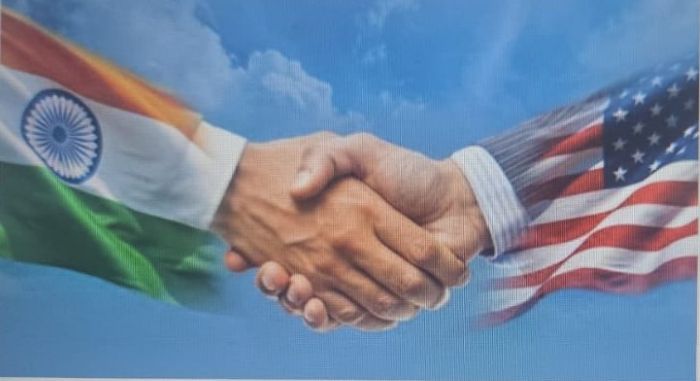
The announcement of the U.S.-India trade deal follows the pattern we’ve seen before—Truth Social announcement by the President conveying successful completion but light on details. The announcement is certainly a relief to our Indian partners, who have faced some of the highest tariff rates of any partner. It will help clear the pathway for the U.S. and India to work cooperatively on other pressing matters concerning critical minerals, technology cooperation, and supply chain resiliency.
Importantly, the U.S. reciprocal tariff for India will be reduced to 18%, giving Indian exporters a slight edge in the U.S. market over its ASEAN competitors who have secured 19-20% tariffs. Moreover, India agreed to purchase $500 billion of U.S. products, with no timeline nor private sector announcements made thus far to accompany this large number.
When it gets to Indian tariff (and NTM) cuts, Trump’s language gets vaguer, only conveying that India “will move” to zero percent. However, based on the language of the Truth Social post, it does seem likely that the U.S. secured deeper and broader tariff cuts than the EU achieved in its recently announced FTA with Delhi.
Not surprisingly, Modi welcomed the reduction in U.S. tariff rates and was silent on the rest.
With this announcement, the U.S. has achieved another deal with an important trading partner, now shifting the spotlight to Indonesia and Vietnam. But many of these so-called deals are still in the need of further work as they are still in the Framework stage, with lack of details and timelines for implementation.
Farwa Aamer – Director of South Asia Initiatives, ASPI
The deal definitely helps the U.S.-India relationship after months of strain. The timing is interesting as the deal comes straight after the EU-FTA. Though India-U.S. trade negotiations were on for a while, the deal with EU could have served as impetus for the U.S. to push forward. Again, it was finally the leadership-level engagement that we have been talking about since the beginning that was able to bring the deal around.
For India, the Russia question remains. Even though it has and will change its oil import structure away from Russia, India would still want to keep relations steady. It will be a balancing act for sure as India navigates these two crucial relationships simultaneously.
The deal also helps move U.S.-India cooperation in other key sectors like critical minerals. India's now membership in Pax Silica and participation in the critical minerals ministerial will help add further momentum.
(Wendy Cutler – Senior Vice President, ASPI and Former Acting Deputy U.S. Trade Representative)

Related Posts
France to preserve India’s manuscript heritage
India must lead in creating future technologies, says PM Modi
India pushes for BIOFIN, tech transfer & global cooperation