 Newsinc24 Team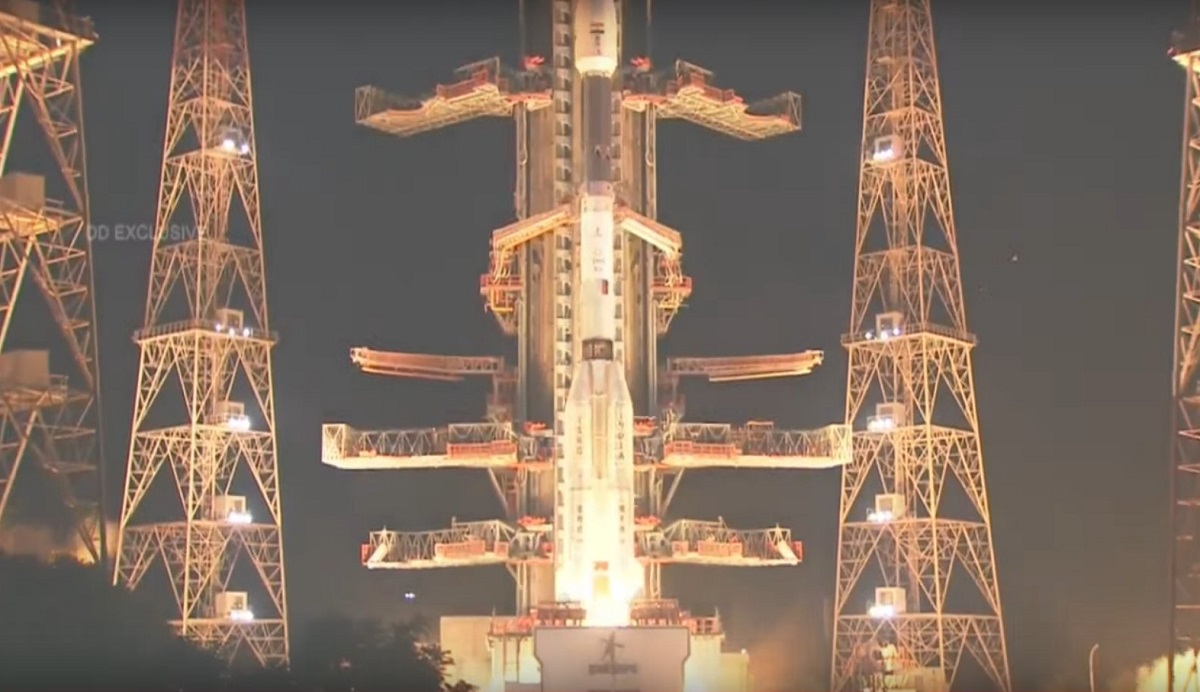
In a setback, the Indian Space Research Organisation's (ISRO) mission to put the EOS-03 – also called Geo Imaging Satellite-1 (GISAT-1) in its orbit 'could not be accomplished fully' due to technical anomalies during one of the operational stages. According to the latest update from the space agency, the EOS satellite is out of its trajectory path as its cryogenic engine failed to lift the satellite to Geostationary orbit. "The mission could not be fully accomplished mainly because there was a technical anomaly observed in the cryogenic stage. This, I want to tell to all my friends (sic)," ISRO chief Dr K Sivan said after the launch.
Indian Space Research Organisation (Isro) launched India's "eye in the sky" - the GISAT-1 Earth observation satellite (EOS) at 05:43am on Thursday. The satellite was launched on a geosynchronous satellite launch vehicle (GSLV) from the Satish Dhawan Space Centre (SDSC) at Sriharikota in Andhra Pradesh as a part of the GSLV-F10 EOS-03 mission. India watched the much-touted event with fascination, which was set up days before people celebrate the country's achievements on Independence Day. As the 26-hour countdown for Thursday's launch concluded, the 51.70-metre tall rocket lifted off majestically at 05.43 am from the second launch pad at this spaceport.
GSLV-F10 launch took place today at 0543 Hrs IST as scheduled. Performance of first and second stages was normal. However, Cryogenic Upper Stage ignition did not happen due to technical anomaly. The mission couldn't be accomplished as intended.
— ISRO (@isro) August 12, 2021
The mission was aimed at providing near real-time imaging of a large area at frequent intervals for monitoring of natural disasters, cyclone monitoring, cloudburst and thunderstorm monitoring and warning.

















Related Items
India remains engaged with US as Trump proposes Section 301 tariffs
India's services sector growth hits six month high in May
South Korea outpaces India as 6th largest stock market