 Vijay Singh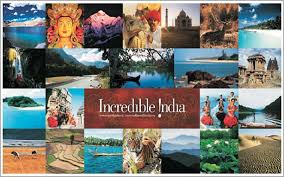
COVID-19 has affected the global economy adversely in every sector including tourism .The rapid spread of coronavirus crippled domestic and trade activities and disrupted routine activities of many nations bringing their economies to a halt. India is no exception and suffering a lot even after three months of unlocking the lockdown.Tourism sector is considered as one of the biggest and quickly flourishing industries. India has many numbers of such destinations for both domestic and international travelers contributing significant revenue to the country's economy. This sector also provides employment to millions of people and rakes in huge profit. As per the World Travel and Tourism Council(WTTC) report, India ranked 3rd among 185 countries in terms of total contribution to GDP in 2018.
With the onset of Covid -19 , tourism industry suffered to a large extent with huge revenue losses. The income of small homestays, bread and breakfasts and small hotel operators received a major jolt. Thousands of small scale industrious families banking on the tourism are facing hardship. And the latest outbreak of Corona has augmented their anxiety. The tourism industry is being seen among the first to be affected, and the last to recover during such health crisis. The need of the time is to chalk out a plan for tourism to survive, revive and thrive in the midst of Corona pandemic. It is no longer going to be business as usual in India and will need to redfine, refocus and change the game plan going forward.
The government and the industry stakeholders, both will have to come together with a solid strategy for the sake of saving business and jobs. The twin challenges in the survive stage are to save businesses and employment. The Govt. must provide businesses with institutional access to working capital and enable liquidity through a deferment of loan repayments. The Govt. intends to help small businesses to access working capital by underwriting a part of the loan amount.
India's robust domestic market has potential to soften the impact on demand side as compared with nations that rely largely on international tourists. As per data from the sources, India receives 11 million foreign tourists, which is small compared to its size and relative potential. While a tiny country Dubai receives well over 16 million tourists. On the other side, at least 26 million Indian tourists travel abroad each year and spend an estimated $28 billion. To retain these high spending tourists, the govt. and stakeholders should come out with much more attractive incentives in domestic tourism. This is surely not very difficult in the light of strict international travel restrictions in place if the protocols for safety and hygiene are ensured on priority basis in such a way that the tourists may feel at ease to enjoy their outings utmost.
In the revive phase, the competition among the countries will become intense with slow easing of international travel restrictions. Amidst such sharp razing competition, the Indian stakeholders will have to evovle a quick and aggressive strategy for specific micro-markets focused on intense localised communication through social media. The products and destinations with ensured deliverance of value for money will be needed to prioritise in targeted way. To send out the message that India is safe and is back in business, big stakeholders in the industry should conduct aggressive campaign to organise a handful of the biggest and best global conferences and conventions.
The thrive phase calls for an adaptation to a fundamentally changed tourism sector post-Covid-19. Globally consumer preferences and tourism policies are expected to evolve for achieving greater sustainability and community orientation. A new trend towards awareness of environment may pop in .Tourists may get to the destinations having a zero carbon foot print along with higher levels of hygiene. Tour operators and hotliers will gravitate towards more responsible and meaningful tourist experiences and showcasing the local for the global.
Tourism industry experts analyzed the situations during the corona crisis and the possibilities of good indicators post Covid-19 scenario. They opine that the pandemic offers an opportunity to reset the button for making tourism sector a sustainable engine for economic growth and development. So the stakeholders.....forget the immediate pain of the pandemic and do not miss the chance to make full use of the crisis.








Related Items
BRICS Tourism Ministers meet concludes, Adopt 'Jaipur Declaration'
Census 2027: Questions on caste, Covid vaccination among 40 notified
Crackdown on birth tourism: US revoked 600 visas