 Newsinc24 Team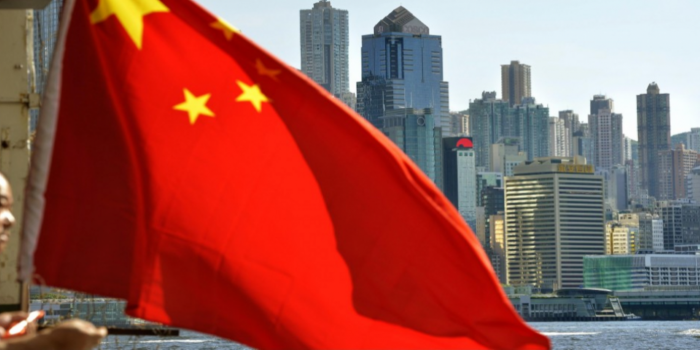
China is facing pressure to shore up sinking economic growth after Shanghai and other cities shut down to fight coronavirus outbreaks, threatening to disrupt global trade and manufacturing. China's economic growth edged up to a still-weak 4.8 per cent over a year ago in the first three months of 2022 as spreading coronavirus outbreaks prompted the shutdown of major industrial cities. In a sign the slide might be deepening, March retail sales fell 3.5% from a year earlier. Growth crept up from the previous quarter's 4 per cent following a slump triggered by tighter government controls on use of debt by China's vast real estate industry, official data showed Monday. Compared with the previous quarter, as other major economies are measured, growth declined to 1.3 per cent from 1.4 per cent.
First quarter growth was well below the ruling Communist Party's official target of 5.5 per cent for the year. Forecasters have said that will be hard to meet without more government stimulus spending.Retail spending, factory output and investment in factories, real estate and other fixed assets rose.Authorities have suspended access to Shanghai and some other industrial cities to contain virus outbreaks under the ruling party's zero-COVID strategy to isolate every infected person. Global automakers and other manufacturers have stopped or reduced production due to supply disruptions. The ruling party already was promising tax refunds to businesses to reverse the slump that began in mid-2021. Last week, Premier Li Keqiang called for quicker action to get help to struggling entrepreneurs.Forecasters say Beijing is using cautious, targeted stimulus instead of across-the-board spending, a strategy that will take longer to show results. Chinese leaders worry too much spending or bank lending might push up politically sensitive housing costs or corporate debt they worry is dangerously high.
The flow of industrial goods has been disrupted by the suspension of access to Shanghai, home of the world's busiest port, and other industrial cities including Changchun and Jilin in the northeast. Global automakers and other manufacturers have reduced or stopped production at Chinese factories. The disruption "will weigh on activity in April and into May, if not longer," Tommy Wu of Oxford Economics said in a report. That is "likely to have a significant impact on global supply chains.” Consumer demand, an important economic engine, was dampened by a government appeal to the public to avoid traveling during February’s Lunar New Year holiday, normally a period of big spending on gifts, banquets and tourism.


Related Posts
OPEC+ agrees to keep November oil output targets steady
India’s growth must reach all to become a developed economy: VP
India's core sector output slows to 4.8% in August