 Newsinc24 Team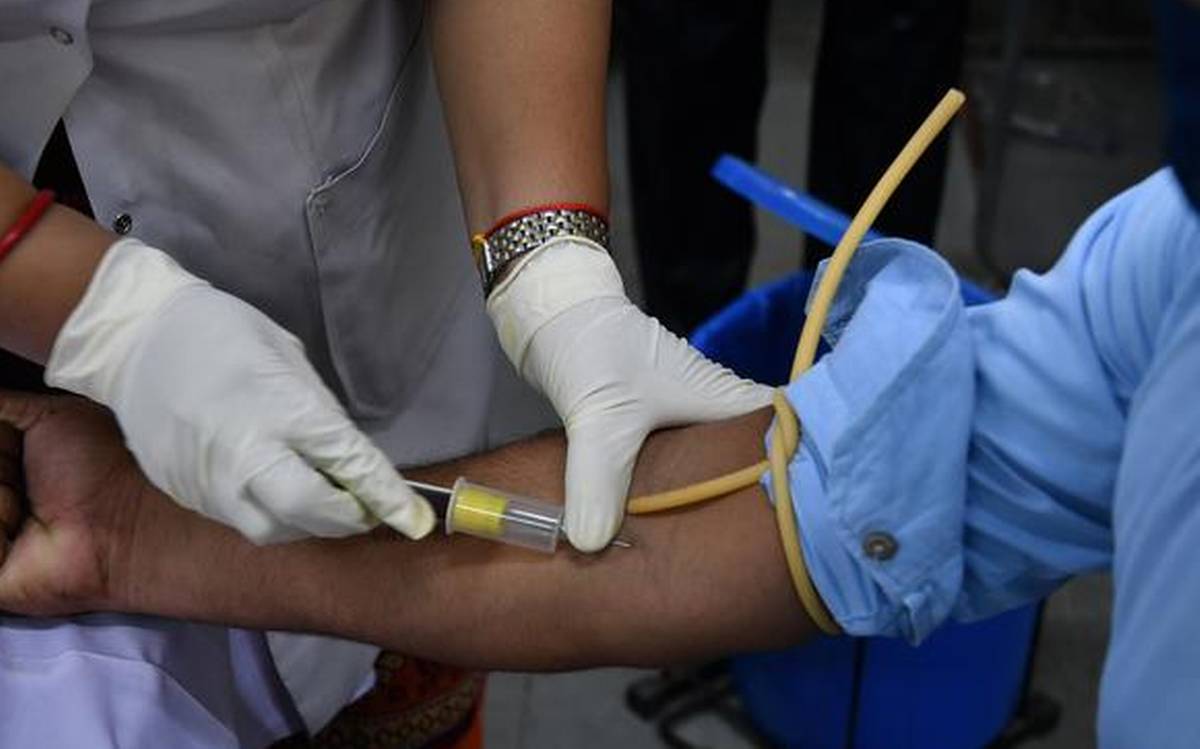
The fourth round of national serosurvey that was conducted in 70 districts in June-July revealed that a third of the population did not have anti-bodies against the coronavirus (Covid-19) disease, meaning about 40 crore Indians were still vulnerable to the virus. Releasing the fourth serosurvey in News Delhi on Tuesday,the director general of Indian Council of Medical Research, Dr Balram Bhargava, said that ICMR also included children to assess their vulnerability towards Covid-19. The highest sero-prevalence was found in the age group 45-60 years (77.6 per cent), followed by those above 60 years (76.7 per cent) and those in the age group 18-44 years (66.7 per cent).
He said there was no difference in seroprevalence in men and women and rural and urban areas. "Among those who have not received any vaccine against the virus, the seroprevalence was 62.3 per cent, while those with one dose of the jab, it was 81 per cent. In those who received both the doses, it was 89.8 per cent," Dr Bhargava said. As part of the survey, 7,252 healthcare workers were studied. "Ten per cent of these workers had not taken the vaccine, while the overall seroprevalence among them was 85.2 per cent," he said. Dr Bhargava said implications of fourth serosurvey clearly showed that there was a ray of hope, but no room for complacency. "We must maintain Covid-appropriate behaviour and community engagement. National level serosurvey is not a substitute of state/district level serosurvey," he added.






Related Items
Putin warns of COVID-scale global impact from Gulf conflict
NSO to launch nationwide migration survey from July 2026
Pre-Budget Economic Survey sees FY27 GDP growth at 6.8–7.2%