 Ekta Bhargava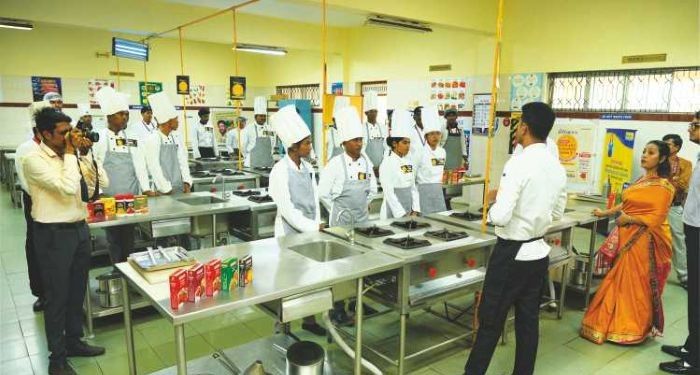
Every successful career begins with learning the fundamentals. For young student chefs, the journey usually starts in culinary institutes where they acquire academic knowledge and practical training. During this academic period, students are regularly evaluated through theoretical examinations and practical assessments. These tests help them understand techniques, discipline, and the basic standards expected in professional kitchens. They form the foundation on which a culinary career is built.
However, in today's highly competitive hospitality industry, academic qualifications alone are not sufficient. The culinary world demands much more than technical knowledge. A successful chef must also possess creativity, confidence, communication skills, and the ability to perform under pressure. This is where competitions play a transformative role in shaping the careers of young student chefs.
Competitions act as a powerful learning platform beyond the classroom. They place students in a real-life situation where they must apply their knowledge, skills, and ideas within a limited time and under strict guidelines. This experience is very different from regular exams. In competitions, students are not only judged on how well they cook, but also on how they plan, present, innovate, and communicate their culinary concepts.
From my experience as the organizer of the Better Kitchen Culinary Challenge, I have seen how competitions can significantly influence the growth and confidence of young chefs. Many students enter their first competition with hesitation and uncertainty. Yet, by the time they finish, they gain valuable exposure and a deeper understanding of the industry.
One of the most important advantages of competitions is that they help students evaluate their own abilities. When students participate in a competition, they get an opportunity to measure their skills against their peers from other institutes. This comparison is not about rivalry but about learning. It helps them understand where they stand, what they are doing well, and where they need improvement.
Competitions also expose students to current culinary trends. The food industry is constantly evolving. New ingredients, techniques, presentation styles, and global influences continue to reshape the way food is prepared and served. When students participate in competitions, they observe how others are interpreting these trends creatively. This exposure broadens their perspective and encourages them to think beyond the conventional methods they may have learned in the classroom.
Creativity and innovation are essential qualities for any chef who wants to stand out. Competitions provide a platform where students can experiment with their ideas and express their individuality through food. They learn how to transform simple ingredients into creative dishes, how to present their food attractively, and how to build a story around their culinary creations. These experiences help students develop confidence in their own style and culinary philosophy.
Another valuable aspect of competitions is communication. In the hospitality industry, chefs often interact with guests, colleagues, managers, and food critics. The ability to clearly explain a dish, its ingredients, and the inspiration behind it is an important skill. During competitions, students frequently have to present their concepts to a jury panel they have never met before. Speaking confidently in front of experienced chefs and industry experts may seem challenging, but it becomes an excellent learning experience. Students learn how to express their thoughts clearly and professionally.
Competitions also teach students the importance of time management and discipline. In a professional kitchen, time is always critical. A chef must plan every step carefully and execute it efficiently. Similarly, competitions are conducted within strict time limits. Students must organize their workstations, prepare ingredients, cook dishes, plate them beautifully, and present them on time. This experience helps them develop a professional mindset and prepares them for real kitchen environments.
Another important benefit of competitions is the exposure they provide. Many competitions invite well-known chefs, hospitality leaders, and industry experts as judges. When students present their work in front of such professionals, they receive valuable feedback and guidance. Sometimes, these competitions also open doors for internships, mentorship opportunities, or even job offers. For many young chefs, this exposure becomes a stepping stone toward building a successful career.
Competitions also encourage teamwork and collaboration. While some events focus on individual performance, many involve team participation where students must coordinate with their teammates to create a complete culinary presentation. Working together teaches them how to share responsibilities, respect different ideas, and support each other under pressure—qualities that are essential in professional kitchens.
Beyond skills and exposure, competitions also build resilience. Not every participant wins an award, but every participant gains experience. Learning how to accept feedback, handle disappointment, and continue improving is an important life lesson. Many successful chefs today often recall how early competition experiences helped them develop determination and perseverance.
In addition, competitions inspire students to identify their true interests within the vast culinary field. Some students may discover a passion for bakery and pastry, others may excel in regional cuisine, international gastronomy, or food presentation. Competitions provide a space where students can explore these interests and gradually shape their career direction.
From an organizer's perspective, it is always encouraging to witness the enthusiasm and energy that students bring to culinary competitions. Events like the Better Kitchen Culinary Challenge are designed not only to test students' abilities but also to celebrate their talent and passion for the culinary arts. These platforms bring together students, educators, chefs, and industry professionals, creating a vibrant learning environment.
For many students, participating in such competitions becomes a milestone in their academic journey. It motivates them to practice more, think creatively, and aim for higher standards. Even after the competition ends, the lessons they learn continue to influence their professional development.
In conclusion, competitions play a crucial role in preparing young student chefs for the realities of the culinary world. While academic education provides the necessary foundation, competitions help students refine their skills, build confidence, and develop industry awareness. They offer an opportunity to showcase talent, learn from peers, and receive guidance from experienced professionals.
Most importantly, competitions help students recognize their strengths, work on their weaknesses, and develop the confidence needed to stand out in a competitive industry. For aspiring chefs who wish to build a successful career, participating in competitions can be one of the most valuable and enriching experiences of their culinary journey.
(Ekta Bhargava, Publisher, Bandwagon Media)
(This story has been published under arrangement from Better Kitchen magazine)
















Related Items
France deploys carrier strike group to Red Sea
US-carrier Spirit Airlines halts operations, makes final landing
FM Sitharaman asserts, fundamentals of Indian economy are strong