 Newsinc24 Team
The eurozone entered into a technical recession at the start of the year, according to revised data show consumers hit by rising prices. The economy of the 20 nation-bloc contracted by 0.1% between January and March, after shrinking in the final three months of 2022. As in other regions, the eurozone has been hit by rising food and energy prices that have weighed on households. Spending by households in the bloc fell by 0.3% in the first three months of 2023 and by 1% in the previous quarter. The bad news comes after a tough year for European economies, as surging energy prices sparked by Russia's war on Ukraine have driven up the cost of living.
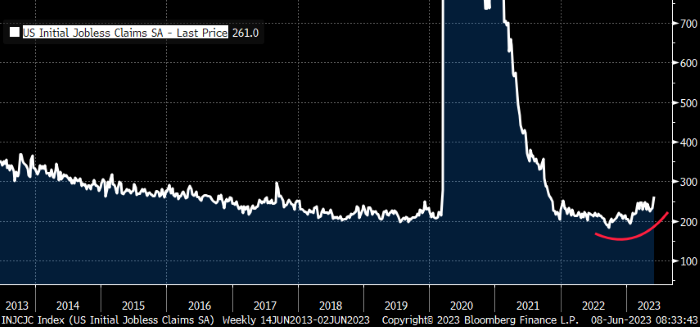
There’s been a sharp jump in the number of Americans filing new claims for unemployment support. The number of new initial claims rose by 28,000 to 261,000. last week, the highest level since October 2021.The economy shrank by 0.1pc for a second consecutive quarter in the first three months of 2023, figures from the EU’s statistic agency showed. Eurostat revised down an earlier forecast that had predicted slight growth, after the continent’s largest economy Germany said last month it had fallen into recession. Household consumption slumped by 0.3pc over the period, following a decline of 1pc in the previous quarter, indicating domestic demand was “hit hard by the combination of inflation and rising interest rates,” according to economists.It comes as the European Central Bank is expected to continue raising interest rates at its next meeting later this month, and again in July, in a bid to bring down persistent inflation.Capital Economics’ chief Europe economist Andrew Kenningham warned that the eurozone economy “is likely to contract again in the second quarter as the effects of monetary policy tightening continue to feed through”.



Related Posts
Why global shocks are driving edible oil inflation higher
India’s growth must reach all to become a developed economy: VP
Fed raises rates, signals more hikes ahead as inflation persists