 Newsinc24 Team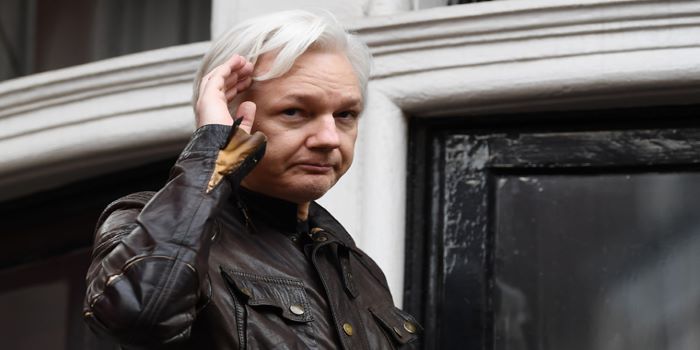
A UK court on Wednesday issued a formal order to extradite WikiLeaks founder Julian Assange to the US to face espionage charges. Assange is wanted in America over an alleged conspiracy to obtain and disclose national defence information following WikiLeaks’ publication of hundreds of thousands of leaked documents relating to the wars in Afghanistan and Iraq. He has always denied wrongdoing, with his legal team claiming the publication of classified documents exposed US wrongdoing and were in the public interest. The decision now rests with interior minister Priti Patel, although Assange may still appeal to the High Court within 14 days of any decision to approve the extradition.
The 50-year-old Australian national has been confined in Belmarsh maximum-security prison since 2019, when he was dragged out of the Ecuadorian embassy in London where he had been seeking refuge. An extradition order was issued by chief magistrate Paul Goldspring during a seven-minute hearing at Westminster Magistrates’ Court on Wednesday. Goldspring said: ‘In layman’s terms, I am duty bound to send your case to the Secretary of State for a decision.’ He was granted political asylum in the Ecuadorian embassy in London in 2012 to avoid onward extradition to the US from Sweden for rape allegations dating back to 2010 that he always denied. Swedish authorities dropped the rape allegations, but Assange was dragged out of the embassy by British police and imprisoned for 50 weeks in April 2019 for breaching his bail conditions after his asylum period expired. Assange has been in custody in Belmarsh ever since.
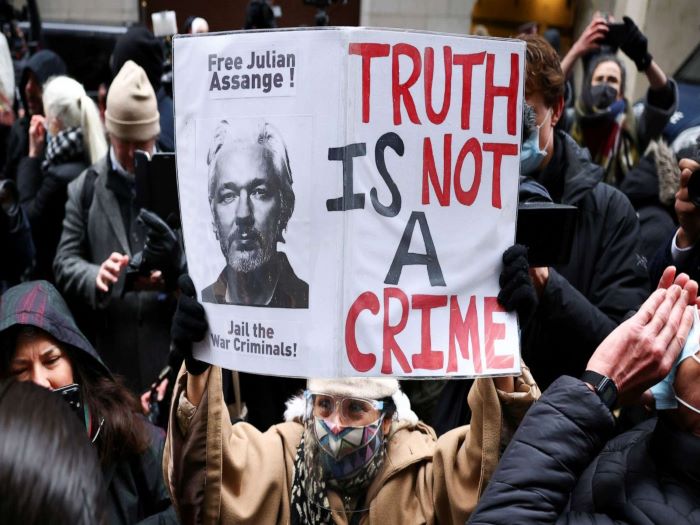
Outside the court, scores of supporters gathered carrying placards reading: ‘Don’t extradite Assange’. Assange had initially won his fight against extradition on the grounds he was likely to kill himself if held under harsh US prison conditions. But last December, High Court judges found the US authorities had given sufficient assurances to the UK that the WikiLeaks founder would be treated humanely, and overturned the decision.
The charges against Assange relate to the 2010 release by WikiLeaks of 500,000 secret files detailing aspects of military campaigns in Afghanistan and Iraq and secret cables about Guantanamo Bay. This included the notorious ‘Collateral Murder’ video, which showed the July 2007 killing by an American Apache helicopter crew of eleven civilians, including Reuters journalists Namir Noor-Eldeen, 22, and Saeed Chmagh, 40. Assange has won support for his case from human rights organisations and journalist groups across the world.












Related Items
Court calls CBI arrest of IRS officer, 2 others in bribery case not legal
Court issues arrest warrant against Mahua Moitra in hate speech case
Lara Projects Case: Court defers charge order on Lalu, Rabri &Tejashwi