 Newsinc24 Team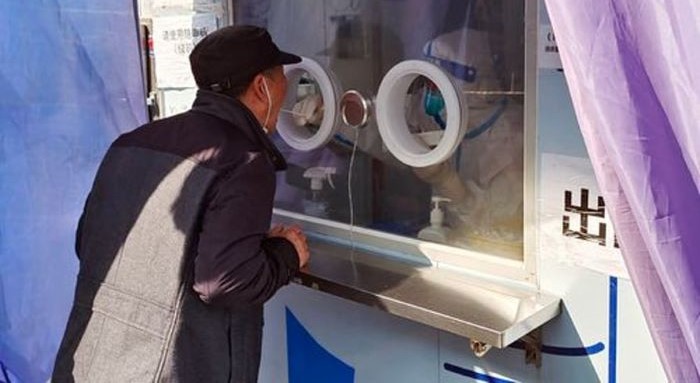
In China, thousands of elderly people have been taking to the streets since January to protest big cuts to monthly medical benefit payments. They've gathered in four major cities across the country, demanding local officials reverse the decisions. The changes are part of a national overhaul mainly intended to cover deficits in public medical insurance funds, according to analysts, which have been drained after paying for mass testing, mandatory quarantine and other pandemic controls over the past three years. "Chinese pensioners view these latest reforms as yet another broken party promise, one that could profoundly impact their quality of life in the face of China's looming demographic crisis," said Craig Singleton, senior fellow at the Washington-based Foundation for Defense of Democracies.
The demonstrations, dubbed by Chinese media as a "grey hair movement," are another rare rebuke for authorities after widespread protests gripped the country in November against Covid lockdowns.The anger could further undermine trust in the Communist Party already damaged by Covid lockdowns, banking scandals and a real estate crisis. The issue was exacerbated when, shortly after, the National Healthcare Security Administration (NHSA) said the money shouldn't be used in this way and that local governments should fund the testing with their own budgets.
It's unclear exactly how much China has spent in total on maintaining its strict zero-Covid policy, or where that money came from. But at least 17 of the country's 31 provinces have revealed the enormous sums they've spent on fighting the pandemic.Guangdong, the richest province in China, was the biggest spender. It spent 711 billion yuan (USD 10.3 billion) in 2022 on measures such as vaccination, testing and emergency benefits for medical workers, an increase of more than 50 per cent from the year before.Zhejiang and Beijing spent 43.5 billion yuan and 30 billion yuan respectively.
China's health insurance scheme is a key part of its limited social safety net. It covers a portion of medical costs for current and retired workers in urban areas. It consists of individual accounts, funded by mandatory payments from workers and their employers, and a pool of funds made up of employer contributions. The personal account is used to pay for medicines and outpatient costs, while the collective account is used to pay for hospital visits. Retirees don't need to contribute and receive a monthly payment into their personal accounts from the collective pool. After the reforms, which were introduced starting in January, payments to all personal accounts were reduced.
Related Posts
China rejects US sanctions bill, opposes 'long-arm jurisdiction'
US House passes Russia sanctions bill, China, India on target
India rejects Pakistan-China Boundary Commission as legally invalid