 Newsinc24 Team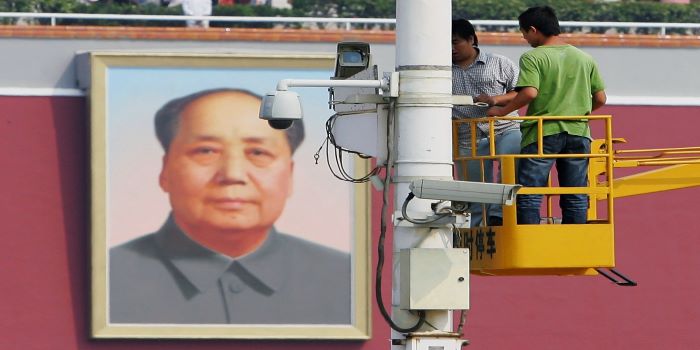
Within the evolution of traditional and social media globally, a number of authoritarian governments have developed a policy instrument to control netizens called digital authoritarianism.Not so surprisingly, China has been at the forefront of policies in adherence to the motives of mass surveillance and censorship. Recent policy changes in Chinese social media companies highlight how the country tightens its grip on the digital world. The country that China is competing in employing these repressive methods is China itself.
China’s authoritarian regime has become increasingly repressive in recent years, according to Freedom House, assessing the condition of political rights and civil liberties around the world. The latest freedom index report states that the ruling Chinese Communist Party (CCP) continues to tighten control over all aspects of life and governance, including the state bureaucracy, the media, online speech, religious practice, universities, businesses, and civil society associations, and it has undermined an earlier series of modest rule-of-law reforms.
“The CCP leader and state president, Xi Jinping, has consolidated personal power to a degree not seen in China for decades. Human rights activists and lawyers continue to speak out, though at great personal cost,” it adds. In 2021, numerous new rules and regulations governing media and the internet came into effect during the year, including measures that tightened restrictions on news dissemination and resulted in the banning of mobile applications used by marginalized groups. Meanwhile, the network of volunteer pro-CCP internet commentators was reported to have grown to 20 million people, in addition to two million others who are paid for their service.
According to the Committee to Protect Journalists, 50 journalists were behind bars in China in connection with their work as of December 2021, though the actual number of people held for uncovering or sharing newsworthy information is far greater. The authorities subjected the renewal of both Chinese and foreign journalists’ press cards to heightened scrutiny and political criteria. Numerous citizen journalists and bloggers were detained, disappeared, or criminally charged during 2021 for their reporting and online posts. Not only that, the Chinese government set up a tip line for people to report critical comments about the party and state.
In addition to criminal punishment, internet users face account deletions, job dismissals, arbitrary detention, and police interrogation in response to politically sensitive or simply humorous comments made on social media platforms. According to the Freedom House report, the government’s ability to monitor citizens’ lives and communications has increased dramatically in recent years, inhibiting online and offline conversations. Social media applications like WeChat closely monitor user discussions to ensure conformity with government content restrictions. Surveillance cameras, now frequently augmented with facial-recognition software, cover many urban areas and public transportation, and these networks are expanding into rural regions.

















Related Items
Amit Shah sets one-year target for full rollout of new criminal laws
8,200 held in China in crackdown against criminal gangs
Delhi closes NEET protest cases, those with criminal history to face law