 Krishan Gopal Sharma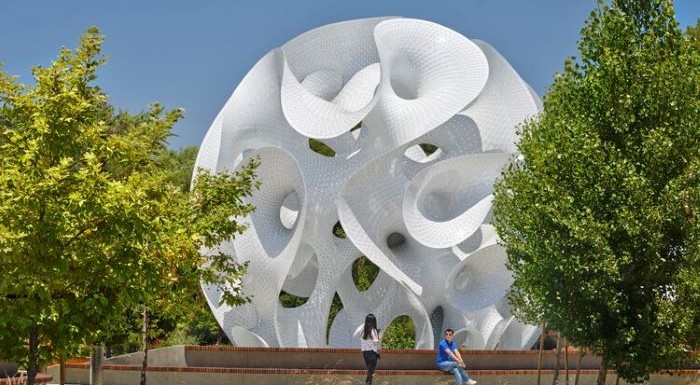
In the land of Varnash — a place where logic went on sabbatical and spectacle took permanent residence — there emerged a creation so revered, so relentlessly repackaged, that it transcended mere producthood. It was called The Orb. Not an orb. The Orb. Capitalised, sanctified, and glorified beyond reason.
No one quite knew what The Orb did. Some said it was a solution. Others said it was a symbol. A few whispered it was a glorified kettle with delusions of grandeur. But those few were swiftly rebranded as Dustlings and sent to the Ministry of Reeducation, where they were taught to clap on cue and forget how to ask questions.
The Orb was unveiled with the kind of fanfare usually reserved for celestial events or royal weddings. It was wrapped in shimmering alloys, blessed by the High Circle, and declared the answer to everything: hunger, heartbreak, potholes, existential dread. The people cheered. Not because they believed — but because belief was mandatory.
Every season, The Orb was reborn. Not in function, but in fashion. One year it wore emeralds. The next, feathers. Once, it was dressed entirely in recycled press releases. Each unveiling came with fireworks, interpretive dance, and a sermon from the Keeper of the Orb — a man named Vellum Thrice-Blessed, who spoke in a dialect best described as “corporate mysticism.”
“Behold,” he would cry, “the Orb’s Phase-7 Luminoform! Let the masses bask in its refracted benevolence!” The masses, weary and confused, basked. They did not know what refracted benevolence was. They suspected it might be contagious.
Occasionally, The Orb malfunctioned. It groaned. It leaked. It emitted a smell not unlike burnt toast and regret. A child once asked why it made their toy explode. The child was sent to the Temple of Correction. A pigeon died mid-flight after circling The Orb. The pigeon was declared a martyr.
To preserve The Orb’s sanctity, history was rewritten. The Wheel? Primitive. The Loom? Barbaric. The Compass? A dangerous myth. “Only The Orb,” the High Circle proclaimed, “has brought us light.” The fact that The Orb occasionally plunged the city into darkness was considered metaphorical.
And so the illusion endured. Not because The Orb was worthy — but because too many reputations, fortunes, and empires were built atop its pedestal. The Orb was not a product. It was a doctrine. A glittering lie wrapped in velvet and fear.
And the people, weary and afraid, clapped once more.
(Krishan Gopal Sharma is a Freelance journalist Retired from IIS. Former senior editor with DD News, AIR News, and PIB. Consultant with UNICEF Nigeria. Contributor to national and international media.) kgsharma1@gmail.com Mobile: 9811340809.









Related Items
HM chairs meeting on permanent political solution for Bengal hills
Disruptions weaken public trust, people expect solution: Om Birla
India seeks permanent solution to border dispute with China