 Newsinc24 Team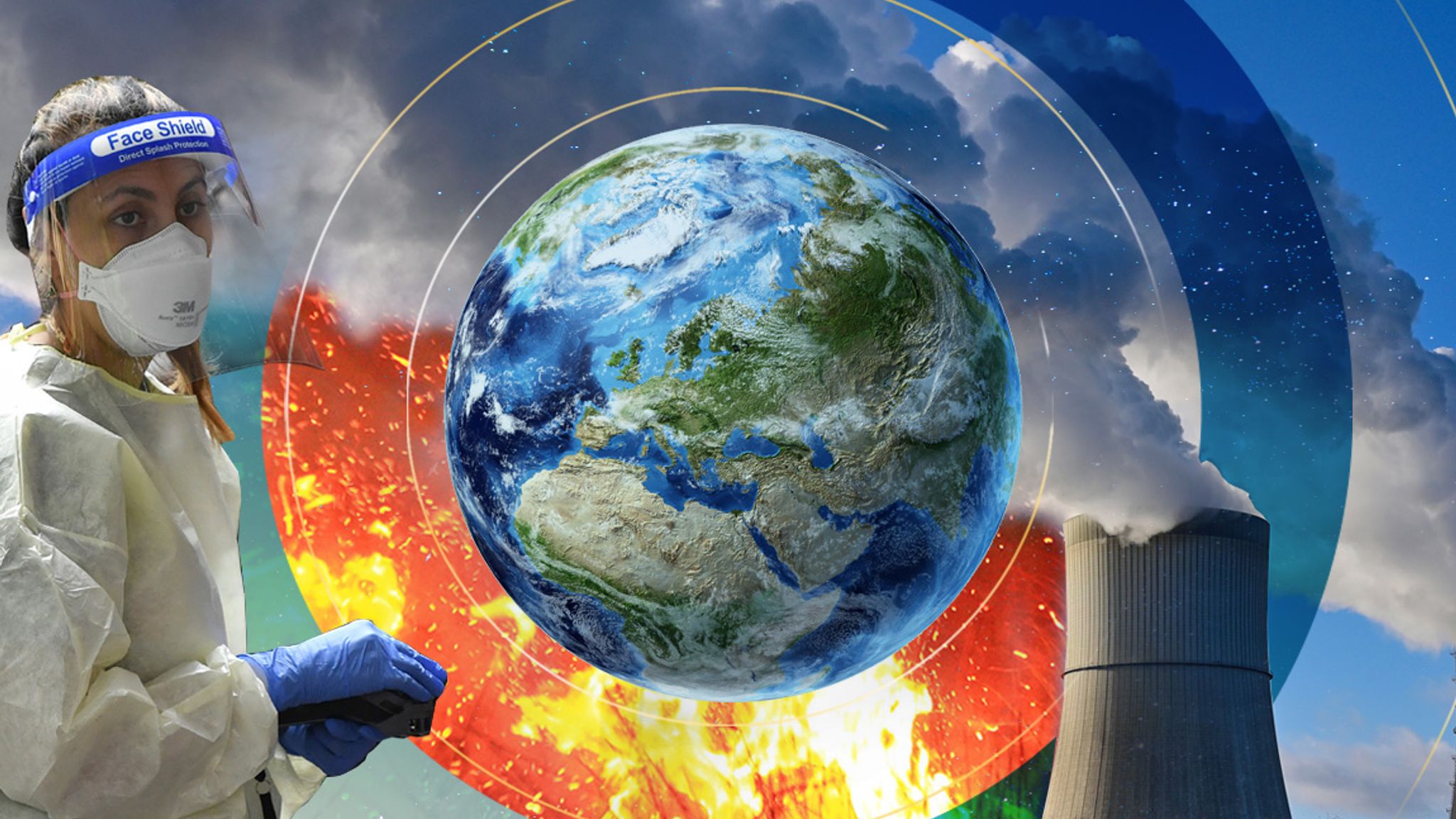
Climate change is likely going to make the world sicker, hungrier, poorer and way more dangerous by 2040 with an “unavoidable” increase in risks, and there remained only “a brief and rapidly closing window of opportunity to secure a liveable and sustainable future for all”. The UN Intergovernmental Panel on Climate Change’s (IPCC) report on Monday said if human-caused global warming was not limited to just another couple tenths of a degree, an Earth now struck regularly by deadly heat, fires, floods and drought in future decades will degrade in 127 ways – with some being “potentially irreversible”. Mass mortality events on land and ocean, the first climate-driven extinctions, death and disease due to extreme heat -- the climate crisis has already resulted in some irreversible changes, the report added.India has welcomed the release of the Working Group II contribution to the Sixth Assessment Report of the Intergovernmental Panel on Climate Change IPCC. Environment Minister Bhupender Yadav in a series of tweet messages said that the report reaffirms India's call for equity and climate justice and stated that the Developed countries must take the lead in urgent mitigation and providing finance for adaptation, loss and damage.
Loss and damage due to limits to adaptation are underway and will rise with further warming.
— Bhupender Yadav (@byadavbjp) February 28, 2022
India is walking the path of climate resilient development under PM Shri @narendramodi Ji and has shown clear resolve to move ahead along a sustainable, resource-efficient growth path.
At least half the world’s population lives in regions vulnerable to the climate crisis, which has become complex, with several interacting factors likely to increase food prices, reduce household incomes, and lead to malnutrition and climate-related deaths, especially in tropical regions, report noted. In referance to India, the report warned that South Asia, including India, is among the most vulnerable, with the Ganga basin likely to face severe water shortage by 2050, Mumbai at high risk from flooding and sea-level rise and Ahmedabad at danger from the so-called urban heat island effect.
But if temperatures increase nearly two more degrees Celsius from now (3.4 degrees Fahrenheit), they would feel five times the floods, storms, drought and heatwaves, according to the collection of scientists at the IPCC. The 3,675-page report is the latest in a series by the IPCC detailing the global consensus on climate science. This report, however, focused on how nature and societies are being affected and what they can do to adapt. By 2050, a billion people will face coastal flooding risk from rising seas, the report said. More people will be forced out of their homes from weather disasters, especially flooding, sea level rise and tropical cyclones.
Related Posts
President says traditional wisdom can strengthen climate action
PM Modi inaugurates NGT conference on environment and climate
India to supply power to flood-hit Nepal till December 31