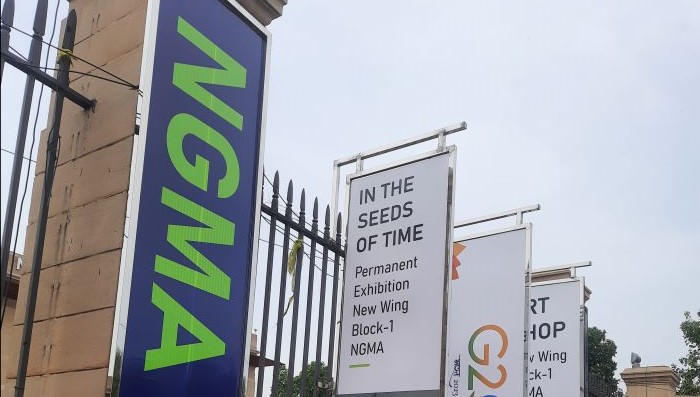
India's rich cultural tapestry has been woven with the threads of art and creativity from time immemorial. As a testament to this creative legacy, the National Gallery of Modern Art (NGMA) stands tall as a beacon of artistic excellence. Enshrining the works of some of the country's celebrated artists, NGMA showcases India's artistic heritage and provides a platform for contemporary artists to exhibit their prowess. In this feature article, we delve into the history of NGMA and explore the fascinating journey of Indian art through the ages.Art has always played a significant role in human history, offering a profound reflection of society, culture, and individual expression. From ancient cave paintings to modern abstract masterpieces, each artistic creation carries its own unique story. These stories are beautifully preserved and celebrated at the National Gallery of Modern Art. NGMA serves as a guardian of India's artistic heritage, showcasing the evolution of Indian art and the incredible journey of its artists.
The Birth of NGMA:
The National Gallery of Modern Art was conceived by the Indian government with the aim of promoting and preserving modern Indian art. Today, NGMA has become an iconic institution, housing an extensive collection of artworks and organizing exhibitions that attract art enthusiasts from all corners of the globe.
Collecting and Exhibiting Art:
The museum houses paintings, sculptures, prints, photographs, and installations by renowned Indian artists, as well as international artists who have had a significant impact on Indian art. The collection showcases individual artistic brilliance and serves as a collective narrative of India's socio-cultural history. One of the most remarkable aspects of NGMA is its ability to curate exhibitions that tell captivating stories. From retrospectives of celebrated artists to thematic exhibitions exploring specific periods or movements, NGMA ensures a diverse range of experiences for its visitors. Exhibitions like "Jana Shakti," "Buddham Saranam Gacchami"and "In the seeds of time "have enlightened art enthusiasts, fostering a deeper understanding of India's artistic journey.
Prime Minister Narendra Modi visited the National Gallery of Modern Art in Delhi in May this year for a walkthrough of 'Jana Shakti' an exhibition curated to mark the 100th episode of his monthly radio broadcast programme “Mann Ki Baat”.Following his visit, the PM congratulated the artists in a tweet. He complimented all the artists who have enriched the exhibition with their creativity.
 The Paintings:
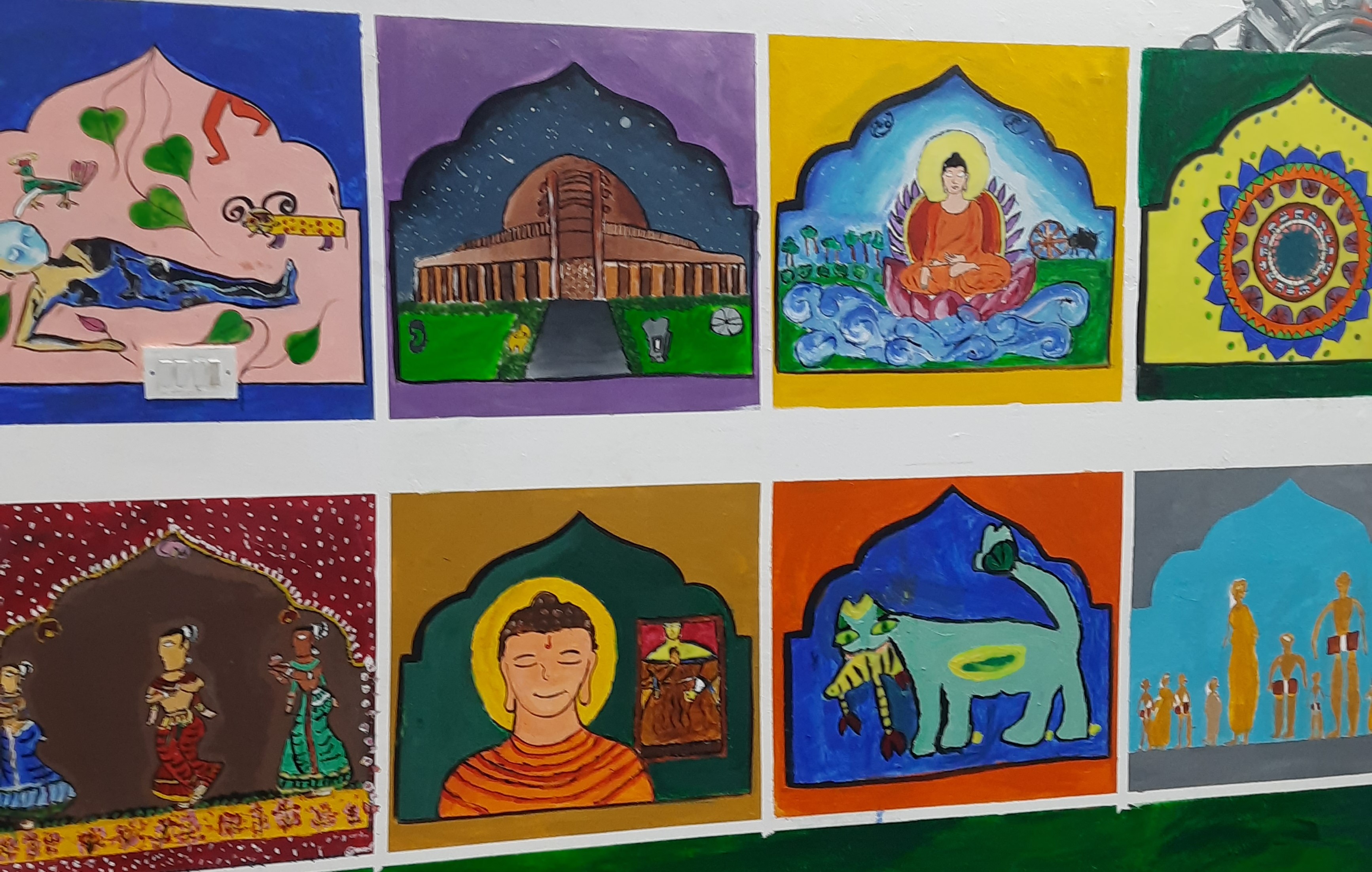
NGMA boasts an extensive collection of paintings, sculptures, graphics, and photographs, illustrating the evolution of Indian art over the centuries. From traditional Indian miniatures to modernist and contemporary works, NGMA offers visitors a panoramic view of the diverse and vibrant art forms that India has nurtured throughout the ages.
1) One of the iconic paintings displayed in the NGMA is "Bharat Mata" by Abanindranath Tagore. This masterpiece, created in 1905, depicts the figure of Bharat Mata (Mother India) as a serene and divine woman, symbolizing the nation's spirit and unity. The painting not only showcases Tagore's skills as an artist, but also encapsulates the nationalist sentiment prevalent during the Indian independence movement.
2)Another notable painting at NGMA is "The Bride's Toilet," which depicts an intimate scene of a bride preparing for her wedding. This painting highlights Sher-Gil's mastery of capturing human emotions and the everyday lives of Indian women.
The Galleries:
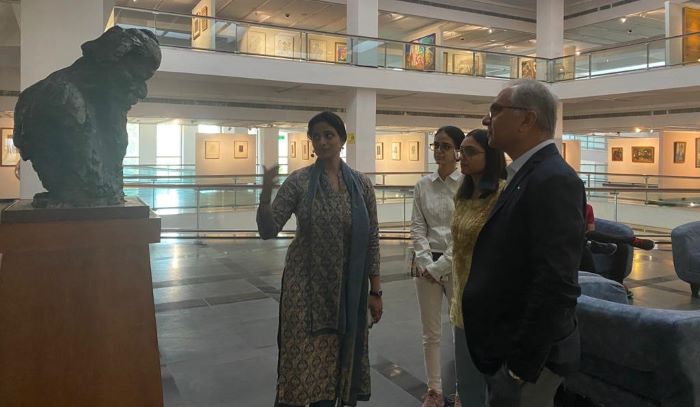
NGMA's galleries are meticulously curated, taking visitors on a historical journey through the various artistic movements that have shaped the Indian artistic landscape. One such gallery is dedicated to the Bengal School of Art, a movement that redefined Indian art in the early 20th century. Painters like Abanindranath Tagore and Nandalal Bose sought to infuse Indian sensibilities and traditions into their artwork, thus creating a bridge between the traditional and the modern.
NGMA exhibits the works of the Progressive Artists' Group. Active in the post-independence era, this group comprised artists like F.N. Souza, M.F. Husain, and S.H. Raza, who broke free from the shackles of academic art and embraced a more experimental approach. Their works challenged societal norms and created a new wave of artistic expression.
Preservation and Restoration
Preservation is a crucial aspect of NGMA's mission. The museum takes immense pride in maintaining the integrity and aesthetics of each artwork, ensuring they withstand the test of time.The restoration process at NGMA involves extensive research and analysis, including determining the original intent of the artist, identifying the materials used, and understanding the historical context.
This gracious heritage building also preserves the works of some of India's most renowned contemporary artists, including Subodh Gupta and Anish kapoor.
NGMA is a hub for cultural and intellectual discourse. The gallery regularly hosts seminars, panel discussions, and lectures, in collaboration with leading artists, curators, and scholars. These events encourage critical thinking .
(Devika is currently pursuing BA(JMC)
Related Posts
India beat Iran to win ninth Gold medal in men's kabaddi
India's FDI inflows rise 6% to $19.81 billion in April-June
Asian Games: India wins silver in women’s 50m rifle 3P team event